• 2 min read
NTSB says Tesla driver floored accelerator before fatal crash
Federal investigators say a Tesla driver pressed the accelerator to 100% in the seconds before a crash that killed 76-year-old Martha Avila.
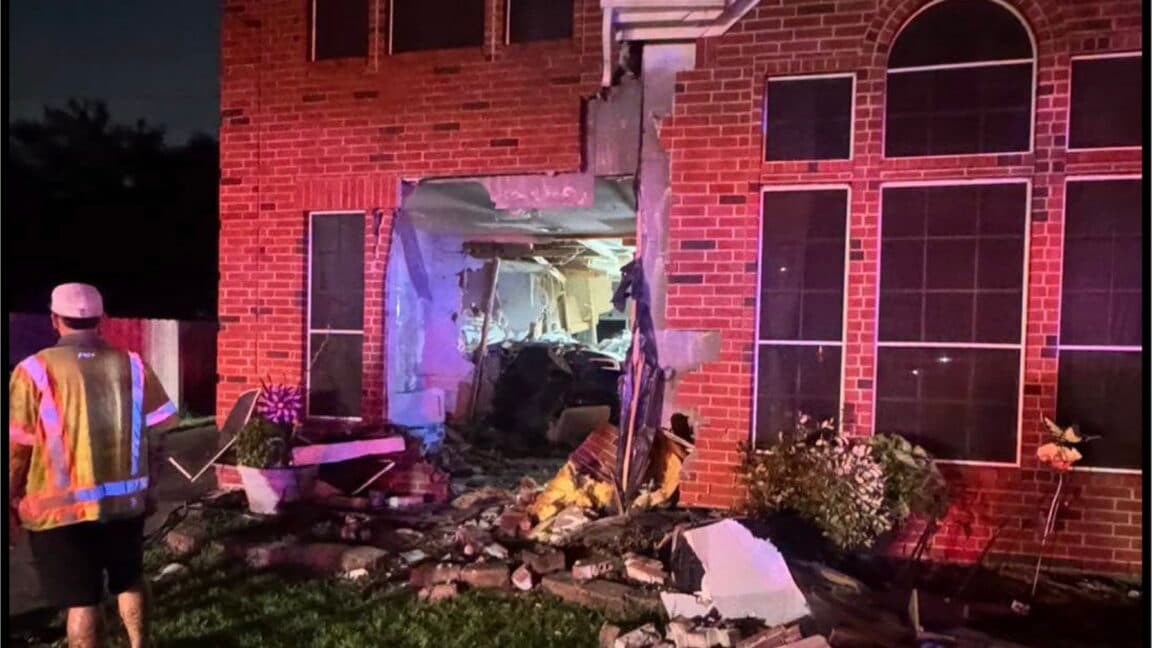
Image: Ars Technica
Federal investigators say the Tesla driver who blamed Autopilot for a fatal crash had the accelerator pressed “all the way down” in the final six seconds before impact, as the vehicle sped past 70 mph and went straight through an intersection instead of turning left.
According to ABC News, phone searches tied to driver Butler included queries such as “Tesla FSD not aggressive enough 2026,” “Tesla not aggressive enough,” and “Tesla FSD too timid.” If the car had followed the route Butler had set before he allegedly lost consciousness, it would have turned left instead of slamming into the family home where 76-year-old Martha Avila was killed.
The NTSB said security camera footage showed the Tesla continuing straight through the intersection, leaving the roadway, and striking the residence. Butler has been charged with manslaughter and jailed, with bond set at $150,000, ABC News reported.
Butler and Tesla are also facing a lawsuit from Avila’s surviving family, which alleges that both were negligent and may be responsible for the crash. Police initially found no evidence of a mechanical malfunction, but the family argues the vehicle may have been defective.

Recommended reading
Evolute i-Sky slips to fall 2026 launch
In the lawsuit, the family points to an alleged Tesla defect known as “Sudden Unintended Acceleration.” They claim that when vehicle components require additional power, the battery draw can create significant spikes in the system, causing the inverter to incorrectly interpret that the accelerator pedal has been pressed and send the car to dangerous speeds.
The NTSB said all aspects of the crash remain under investigation as it works to determine the probable cause and issue possible safety recommendations. The National Highway Traffic Safety Administration has also opened a special investigation.

Frontier Editor
Dan is our resident futurist, covering electric mobility, space exploration, and the smart home. He's interested in atoms just as much as bits. Whether it's a new battery chemistry, a reusable rocket, or a protocol that finally makes IoT devices talk to each other, Dan breaks down the engineering that pushes humanity forward.
via Ars Technica