• 2 min read
OpenAI weighs contract action as Apple widens AI options
OpenAI is said to be considering legal action against Apple after a two-year partnership failed to deliver the AI startup the boost it expected, a sign that the relationship between two of tech’s biggest names has gone f
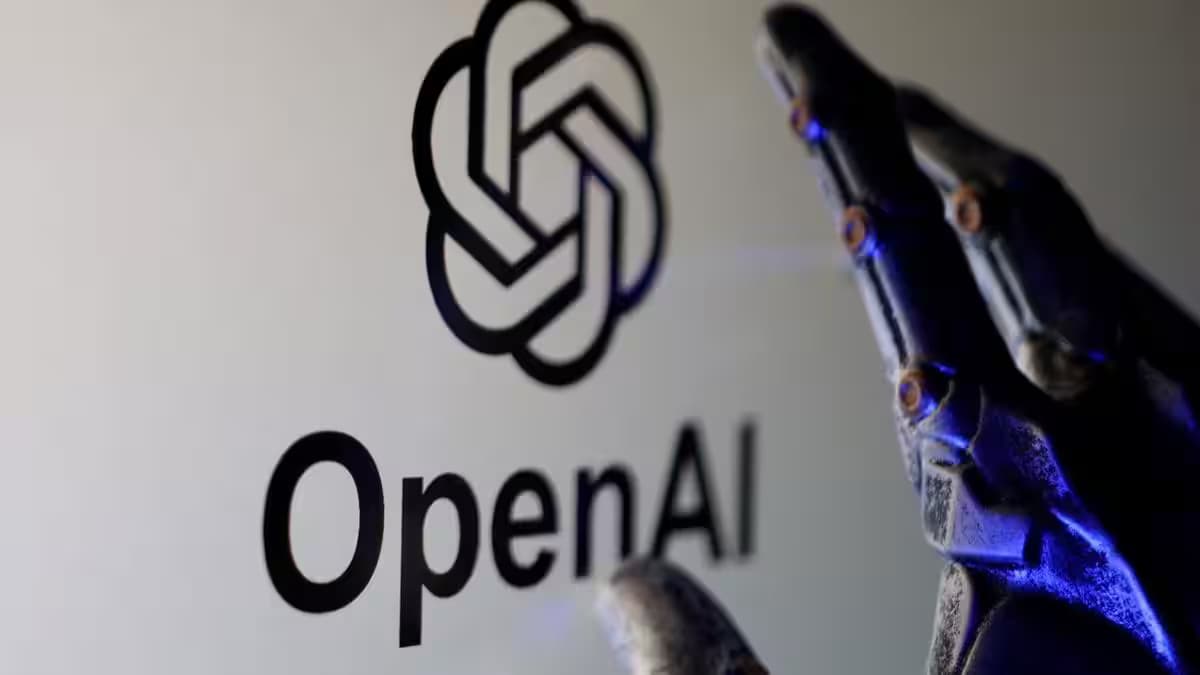
Image: thehindu.com
OpenAI is said to be considering legal action against Apple after a two-year partnership failed to deliver the AI startup the boost it expected, a sign that the relationship between two of tech’s biggest names has gone from strategic handshake to corporate headache. The dispute comes as Apple prepares to open Siri to more third-party models, which is exactly the sort of move that makes exclusivity arguments look flimsy and business expectations look expensive.
A person familiar with the matter said OpenAI’s lawyers are working with an outside firm on several options, including sending Apple a breach-of-contract notice rather than filing a lawsuit. Apple did not immediately respond to a request for comment.
What OpenAI expected from Apple
When Apple announced Apple Intelligence last year, the deal looked tidy enough: ChatGPT would be woven into Siri and available across Apple devices, while iPhone users could also sign up for ChatGPT memberships from iOS settings. OpenAI reportedly believed that arrangement would drive subscriptions and lead to deeper integration across Apple apps. Instead, the partnership appears to have stalled at the part where both sides prefer the benefits, but not the obligations.
Recommended reading
Hassabis says STEM makes you 10x better at AI
That tension matters because Apple is no longer treating OpenAI as the only outside AI option in town. Bloomberg News reported this month that Apple will allow users to choose from third-party models, and that move could strip OpenAI of a unique position inside Apple’s software. For a company trying to turn distribution into paid users, losing default access is not a small haircut.
Apple’s AI roster is getting crowded
Apple is testing integrations with Anthropic’s Claude and Google Gemini, according to the report, and Gemini is expected to power Apple’s revamped Siri this year. That is a neat reminder that Apple never likes relying on just one supplier when it can keep everyone competing for placement. It also weakens any suggestion that Apple has somehow broken an exclusivity promise, because the deal was not exclusive from the start.
The bigger story is the one playing out across the AI industry: distribution is now as valuable as model quality, and platform owners know it. OpenAI wants deeper access to Apple’s ecosystem; Apple wants flexibility, leverage, and maybe a little less dependence on any single AI brand. Expect more noise around that friction at Apple’s annual software developer conference in June, where the company is scheduled to say more about its AI plans.

AI Editor
Ava covers the rapidly evolving world of artificial intelligence, from foundational models and research labs to the real-world economics of intelligence. With a background in computational linguistics, she cuts through the hype to find out what actually works. She firmly believes that benchmarks are just marketing until reproduced in the wild.
via thehindu.com