• 2 min read
OpenAI Is Selling a $70 ChatGPT Basketball
Alongside its $230 mini keyboard, OpenAI quietly launched a $70 ChatGPT basketball and a broader merch line with research-themed apparel.
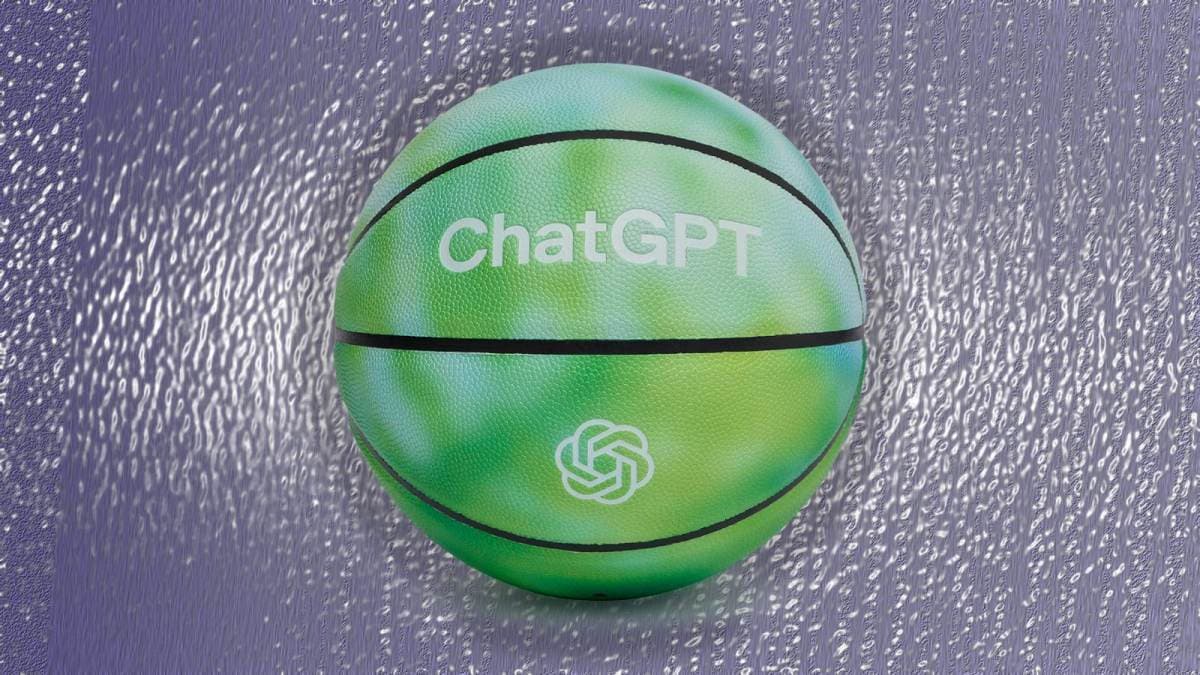
Image: TechCrunch
OpenAI’s new $230 mini keyboard was billed this week as a “command center for agentic work.” Less noticed: the company also launched a $70 ChatGPT basketball.
According to the product listing, “This basketball comes from the Pause. Play. Prompt. campaign, a physical reminder that creativity doesn’t just live on our screens.” TechCrunch says it could not find any other mention of that “Pause. Play. Prompt.” campaign on OpenAI’s website.
The ball itself is a 100% rubber basketball, which makes it better suited to outdoor play than the pricier leather balls used on professional courts, thanks to greater weather resistance. TechCrunch notes that the $70 price works out to roughly 56 million input tokens for GPT-5.

Recommended reading
Vietnam taps RusHydro to upgrade Soviet-era dams
OpenAI is also selling a broader merch line, including apparel with slogans such as “Good research takes time.” Another item is a $175 quarter-zip with “research” written in cursive. Its product description says it “features a crisp collar that reminisces on our days in academia.”
TechCrunch frames the merch drop as an unusual extension of OpenAI’s brand, especially given the company’s recent push into hardware. The basketball, in particular, stands out as a curious fit for a company better known for models and developer tools than consumer lifestyle products.
For now, the ChatGPT basketball joins a growing list of tech merch that seems designed as much to signal affiliation as to serve any obvious practical purpose.

Enterprise Editor
Marcus follows the money. He covers enterprise software, cloud architecture, and the tectonic shifts in Big Tech strategy. He translates dense earnings calls and complex M&A activity into actionable insights about where the industry is actually heading. If a tech giant makes a silent pivot, Marcus is usually the first to notice.
via TechCrunch