• 2 min read
PD-8 could become a modular engine platform
UEC plans to reuse the PD-8 core for helicopters, a 10-ton-thrust business jet engine, and ground energy systems.
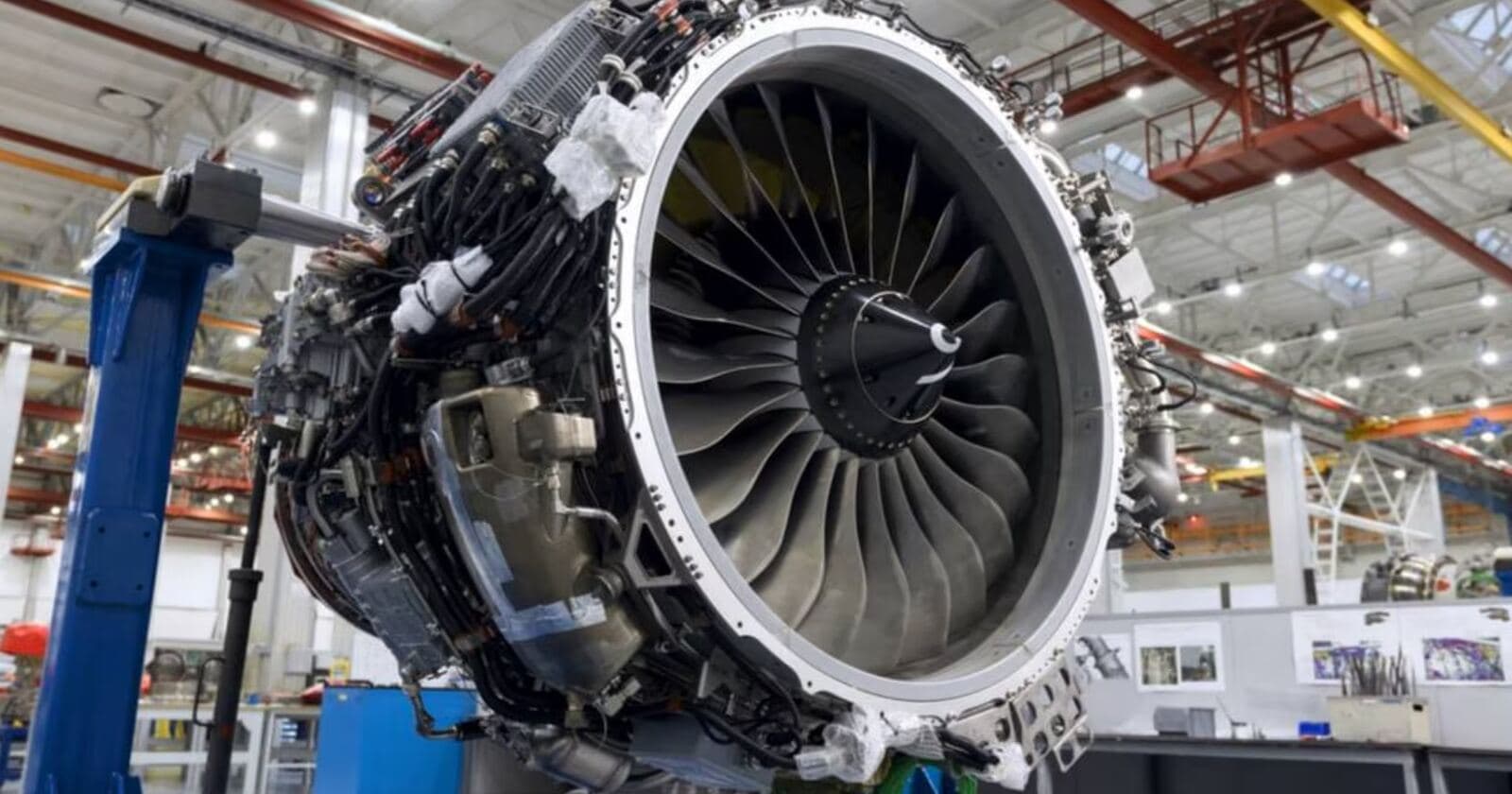
Image: ITzine
Russia’s United Engine Corporation (UEC) wants to turn the PD-8 gas generator into the core of a broader engine family, extending it well beyond its original role as the base aircraft engine for the SJ-100. According to UEC-Saturn CEO Ilya Konyukhov, the company is already studying a helicopter version for heavy aircraft, a business jet engine with thrust of around 10 tons, and variants for ground power and the gas transportation sector.
The idea is straightforward: use a proven engine “core” and adapt it for specific applications instead of developing each new powerplant from scratch. Among the concepts now under consideration are the PD-8V helicopter version for heavy multirole machines, an engine for a new business jet, and industrial energy applications. UEC has also separately mentioned the Be-200 aircraft as another possible use case for the PD-8.
The PD-8 was originally developed as a replacement for foreign-made engines for the import-substituted SJ-100. Its projected thrust is about 8 tons. The program sits alongside Russia’s newer engine lineup, including the PD-14 for the MC-21 and the PD-35, which is still under development.
For the industry, the appeal is practical: when components are standardized, certifying modified versions is usually simpler and cheaper, especially for smaller production runs. That model has long been used by major global manufacturers. CFM International built its LEAP family on a shared architecture for different aircraft, while Pratt & Whitney uses the PW1000G family across multiple platforms.

Recommended reading
Satellite startups pull $8.1B in half a year
For Russia, that approach is especially useful because its civil aviation market is measured in the hundreds of aircraft, not the thousands, according to data from the United Aircraft Corporation and statements from sector officials cited by the source. In that environment, building a separate engine for every segment is expensive.
If UEC pushes the concept into serial projects, the PD-8 could move far beyond the SJ-100 and become the base for several niches, from aviation to industrial energy. What happens next will depend on which versions get funding first, enter testing, and receive certification schedules as PD-8 flight trials continue and the helicopter variant advances.

Frontier Editor
Dan is our resident futurist, covering electric mobility, space exploration, and the smart home. He's interested in atoms just as much as bits. Whether it's a new battery chemistry, a reusable rocket, or a protocol that finally makes IoT devices talk to each other, Dan breaks down the engineering that pushes humanity forward.
via ITzine