• 3 min read
Plug-in hybrids often burn more fuel than tests suggest
Empa found plug-in hybrids can lose much of their efficiency edge in cold weather, with heating, dynamic driving, or infrequent charging.
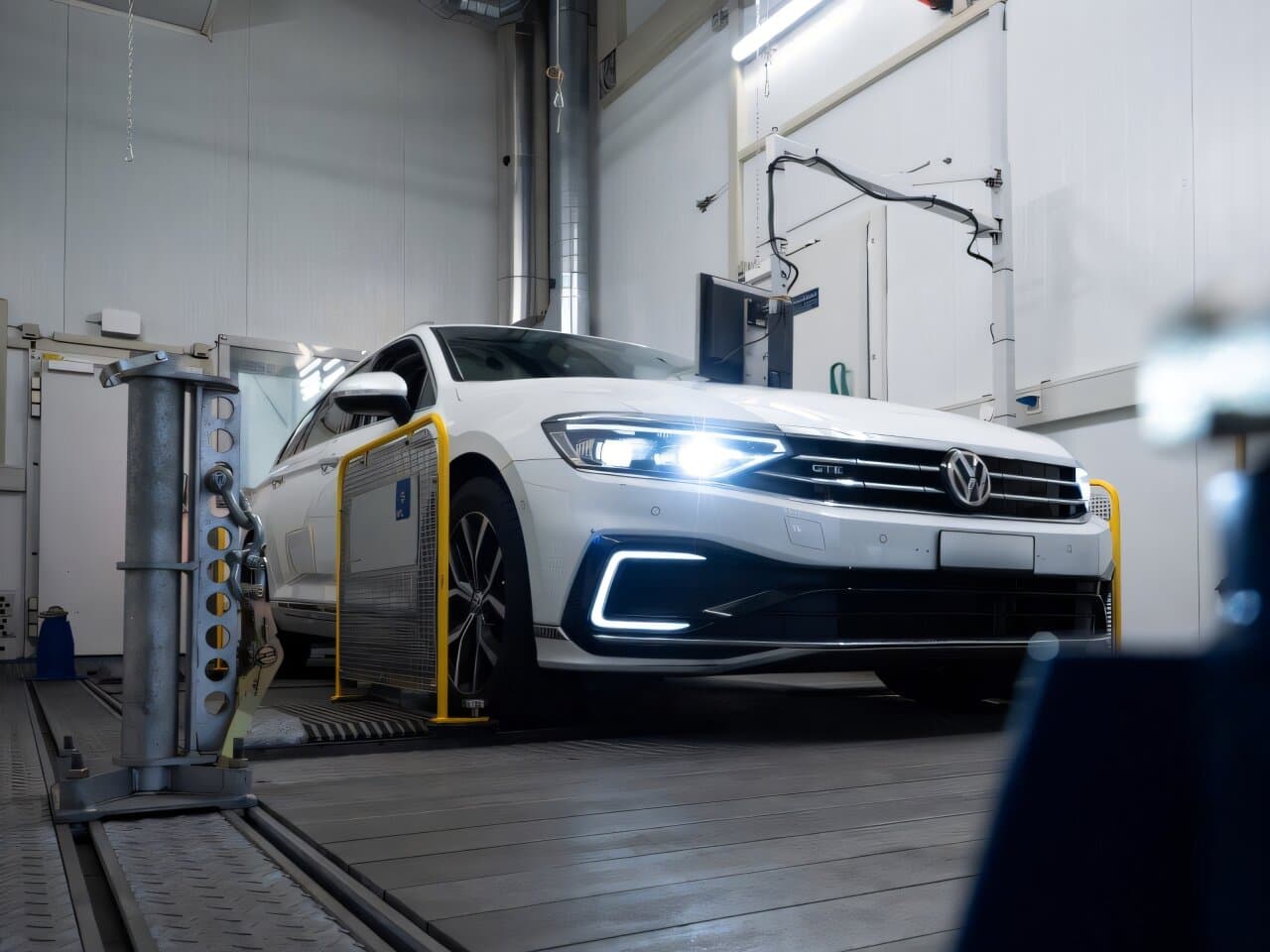
Image: TechXplore
Plug-in hybrids can look efficient on paper, but real-world fuel use is often much higher than official figures suggest. According to Empa studies funded by the Swiss Federal Office for the Environment (FOEN), the biggest factor is simple: whether drivers actually charge them.
If someone owns a plug-in hybrid and does not charge the vehicle regularly, that person is effectively driving a heavier vehicle with a combustion engine. Due to the additional weight of the battery and electric motor, consumption can even be higher than with a comparable conventional gasoline engine.
Empa said earlier real-world evidence mainly came from On-Board Fuel Consumption Monitoring (OBFCM) data, now mandatory for vehicles sold in Europe. Those datasets showed actual consumption was well above type-approval values, but did not explain why because they typically lack details such as ambient temperature, heating use, or driving style.
To dig deeper, researchers tested 12 current plug-in hybrid passenger cars on a roller test bench. They measured electric range, electricity and fuel consumption, and CO₂ and pollutant emissions at 23°C (73°F), -7°C (19°F), and -7°C (19°F) with the heating switched on, alongside more dynamic driving profiles.
Recommended reading
Evolute i-Sky slips to fall 2026 launch
The pattern was clear: under ideal conditions, plug-in hybrids can travel electrically for long stretches and keep emissions low. In everyday conditions, that advantage can shrink sharply. Cold weather, cabin heating, and aggressive driving all reduced electric range, causing the combustion engine to start earlier and more often.
Vehicle design mattered too. Elser said lighter vehicles, moderate engines, and balanced battery sizes delivered the best overall efficiency in Empa’s measurements. Very large batteries only help if they are charged regularly and matched to driving patterns; otherwise their extra mass increases energy use all the time.
A separate Empa analysis looked at the utility factor—the estimated share of distance driven electrically in type testing. For plug-in hybrids, that figure sits between 70% and 85%. The EU revised its methodology in 2025 after European OBFCM data showed these vehicles were driven electrically less often than earlier assumptions based on older U.S. commuter data suggested, and it plans another update in 2027.
Using Switzerland’s Microcensus Mobility and Transport, Empa estimated that a Swiss-specific utility factor would likely be higher than the European factor. The reason: Swiss trips are shorter on average, and the country has a lower share of company cars, which in Europe are charged less often than private plug-in hybrids. Still, Elser noted a major uncertainty remained: the researchers assumed all users charge their vehicles every day.
The researchers argue for country-specific, realistic utility factors, since those assumptions feed directly into official figures for fuel consumption, electricity demand, and emissions. Elser said plug-in hybrids still have a role for drivers not yet ready for a full EV—provided they are charged consistently and supported by reliable charging at home, at work, and in fleet use.

Frontier Editor
Dan is our resident futurist, covering electric mobility, space exploration, and the smart home. He's interested in atoms just as much as bits. Whether it's a new battery chemistry, a reusable rocket, or a protocol that finally makes IoT devices talk to each other, Dan breaks down the engineering that pushes humanity forward.
via TechXplore