• 2 min read
RAM prices could double by the end of 2026
Lexar says RAM prices could double by the end of 2026, and the reason has less to do with seasonal sales than with the AI boom hoovering up memory production. Chris Xia, Lexar’s regional manager for Australia and New Zea
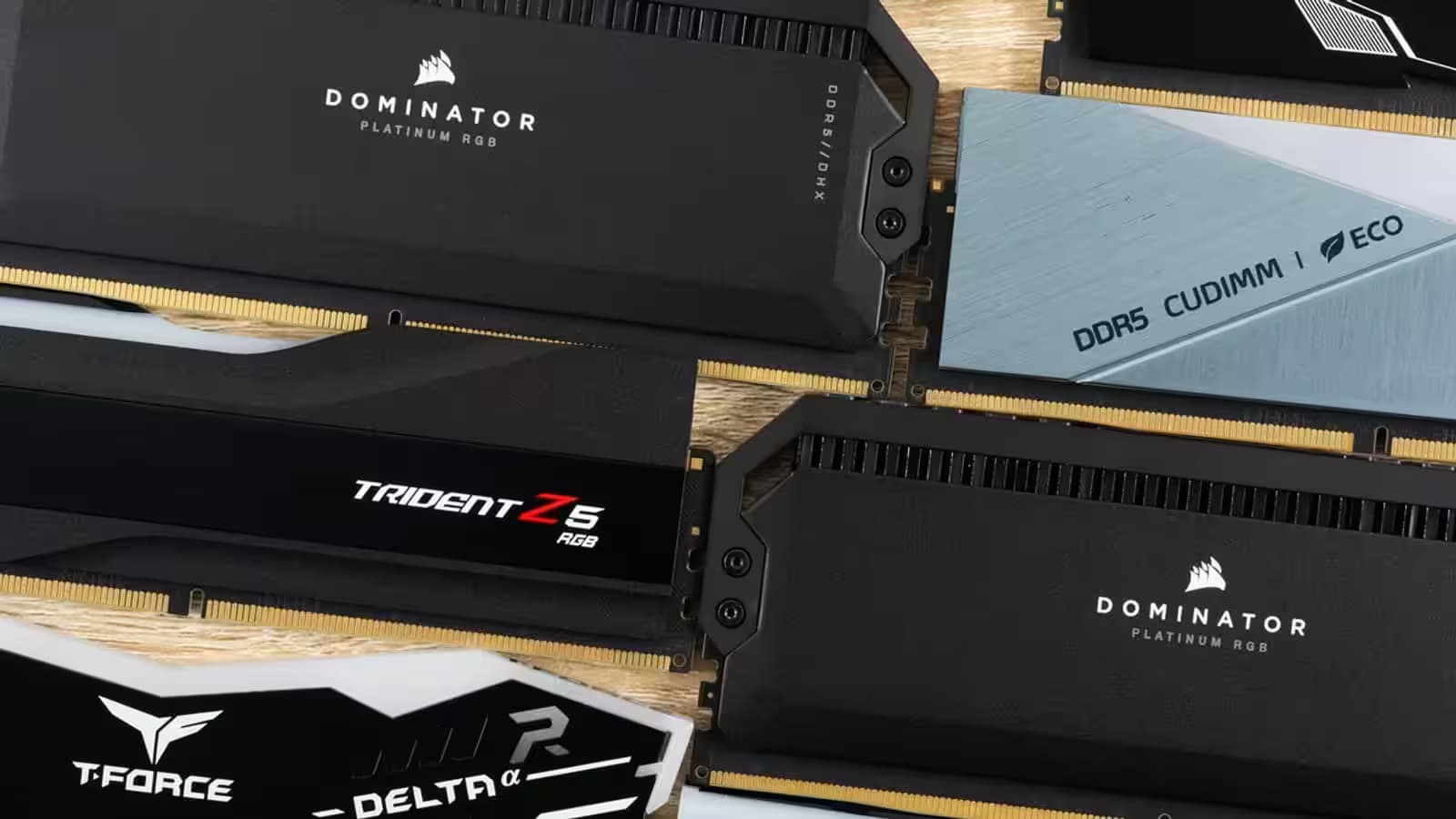
Image: ixbt.com
Lexar says RAM prices could double by the end of 2026, and the reason has less to do with seasonal sales than with the AI boom hoovering up memory production. Chris Xia, Lexar’s regional manager for Australia and New Zealand, says the discounts shoppers see now are mostly a clearing exercise for older stock, not a sign that the market is getting cheaper.
The company points to a familiar squeeze: Samsung, SK hynix, and Micron are pushing more capacity toward high-bandwidth memory, or HBM, the fast stuff used in AI accelerators and data centers. That leaves less room for consumer RAM, and the shortage tends to show up later at the checkout, because price changes in the industry usually take eight to nine months to reach buyers.
Why cheap RAM may be a mirage
What looks like a bargain can simply be the last wave of old inventory before suppliers refill at higher costs. Xia says some distributors are still moving memory at earlier prices thanks to stock imported from other regions, but that cushion will not last forever. Once those shelves are empty, the next batch is likely to arrive with a much nastier sticker price.

Recommended reading
Signal tests Android phones as linked devices
AI demand is squeezing consumer memory
This is the same pattern the broader chip industry has been warning about: AI infrastructure gets first claim on scarce parts, and everyone else pays for the leftovers. Memory makers are chasing the highest-margin products, which is perfectly rational for them and annoying for anyone planning a PC upgrade. If Lexar’s forecast proves right, builders who wait could face a double hit – higher module prices and fewer discounts to soften the blow.
What happens if the supply shift continues
The awkward part for shoppers is timing. The slowdown in consumer supply is already in motion, while the full effect on retail prices may still be months away, which means the best-looking deals could disappear right as demand for upgrades picks up. The obvious question now is whether other memory vendors will echo Lexar’s warning, or whether retailers can keep one more round of old stock in circulation before prices reset again.

Computing Editor
Tomas lives in the terminal. He covers chips, laptops, and operating systems with a focus on performance and efficiency. He reads kernel changelogs the way other people read fiction, and he's always on the hunt for the perfect mechanical keyboard switch. If it processes data, Tomas has an opinion on it.
via ixbt.com