• 2 min read
Rassvet’s second satellite batch reaches orbit
Bureau 1440 has launched the second batch of Rassvet low-Earth-orbit satellites and still targets commercial service in 2027.
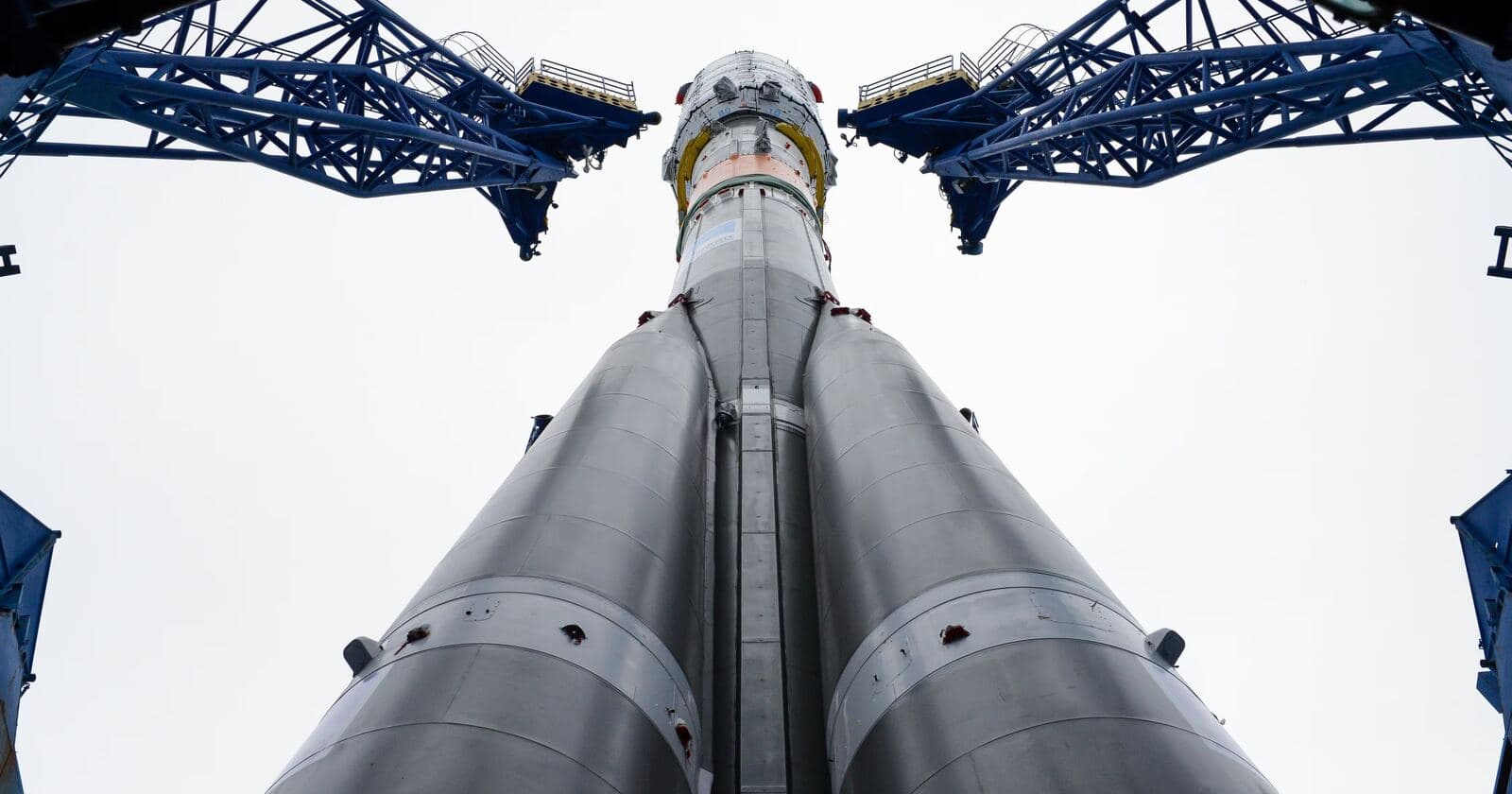
Image: ITzine
Bureau 1440 has launched the second batch of satellites for its Rassvet low-Earth-orbit constellation. After separating from the rocket, the spacecraft established contact with mission control. Next come system checks and transfer to their target orbit.
For the company, this was not a demonstration launch but another operational step toward deploying a constellation meant to provide a new generation of satellite communications. Bureau 1440 says it is aiming for commercial operations in 2027.
Rassvet is entering an already crowded low-orbit communications market. Starlink has thousands of satellites in orbit, while OneWeb is also building a global network. Large operators worldwide are increasingly testing hybrid models in which satellites extend terrestrial networks rather than replace them.
Bureau 1440 has been building its own launch cadence. The company sent the experimental Rassvet-1 and Rassvet-2 satellites into orbit in 2023 and 2024. The large-scale deployment phase began in spring 2026 with 16 spacecraft. In June, one of them failed to reach the required altitude because of a propulsion system malfunction and burned up in the atmosphere; the other 15 are operating normally.
Recommended reading
This drone spins itself nearly out of sight
The company’s plan calls for 290–300 production satellites by 2030. That is far fewer than Starlink, but still a substantial number for a national communications service. The core challenge now is not a single successful launch, but maintaining a steady production, ground infrastructure, and launch tempo needed to turn Rassvet into a working network rather than a one-off milestone.

Frontier Editor
Dan is our resident futurist, covering electric mobility, space exploration, and the smart home. He's interested in atoms just as much as bits. Whether it's a new battery chemistry, a reusable rocket, or a protocol that finally makes IoT devices talk to each other, Dan breaks down the engineering that pushes humanity forward.
via ITzine