• 2 min read
Russia says ROS will open a new era beyond the ISS
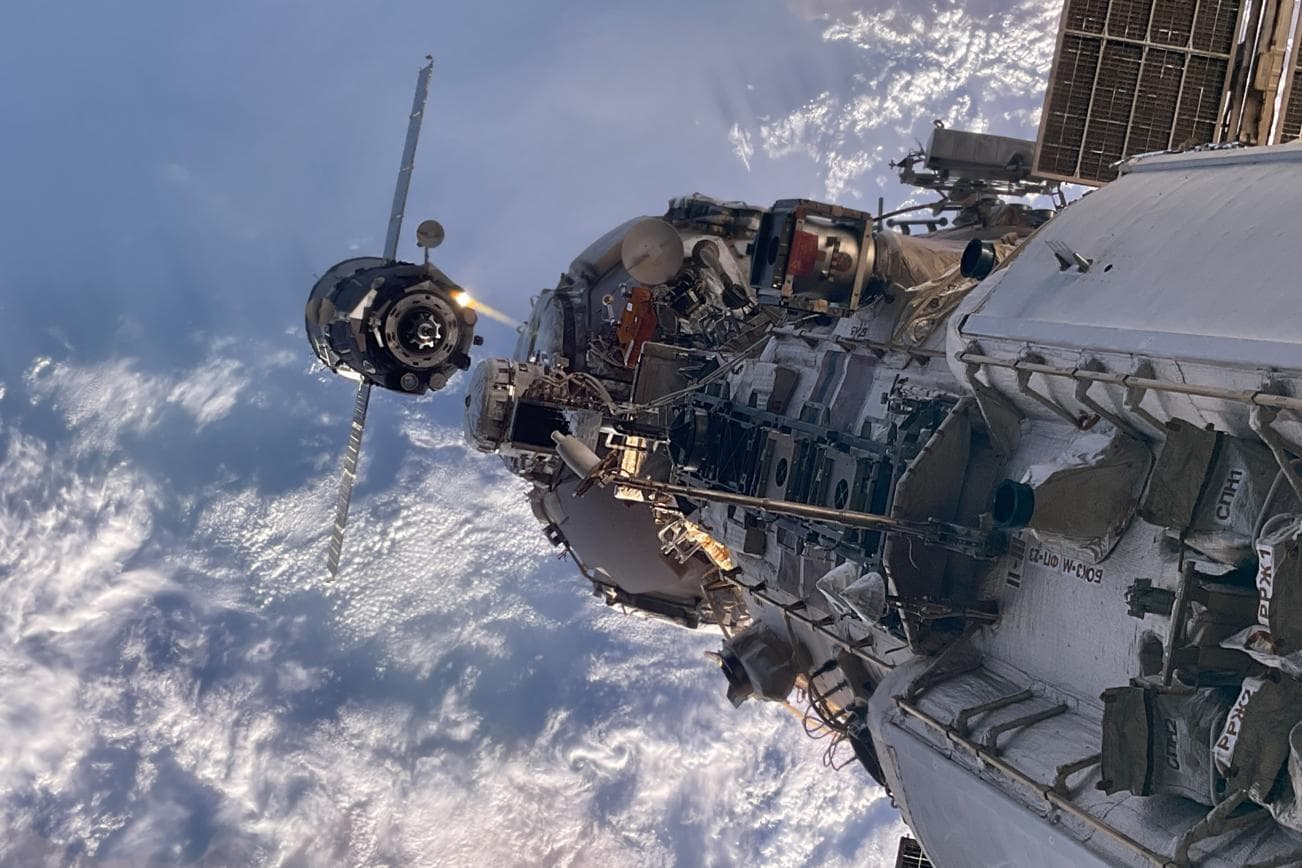
Roscosmos says the future Russian Orbital Station will be highly automated and support experiments impossible on the ISS.
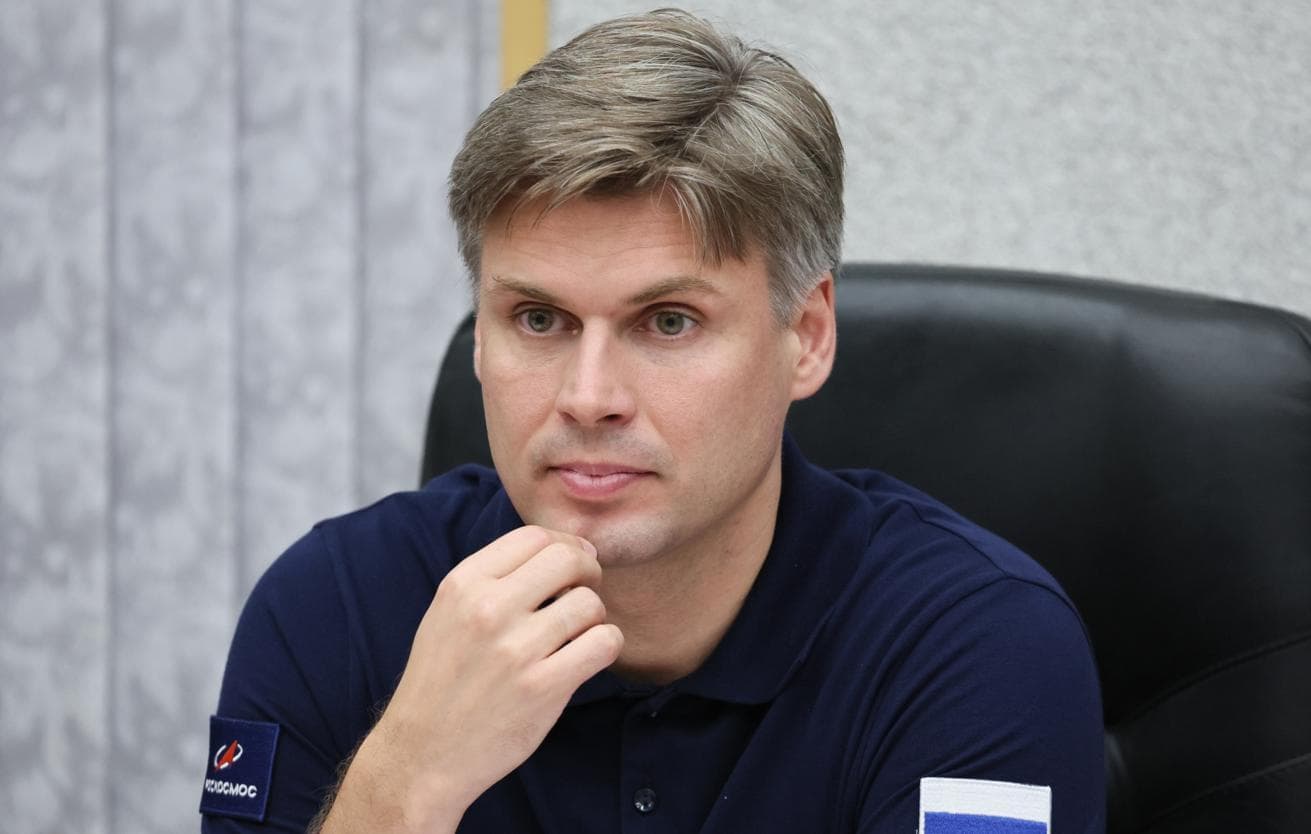
Image: iXBT
Russia’s planned Russian Orbital Station (ROS) is being framed as a clean break from the International Space Station, not a follow-on to it. Roscosmos chief Dmitry Bakanov said the station will mark the next stage of the country’s crewed space program and enable research that cannot be carried out on the ISS.
According to Bakanov, ROS will host fundamentally new experiments that will underpin the next phase of Russia’s space program.
“No, this is not a continuation of the ISS, but an entirely new chapter — a fundamentally new vision of a more modern orbital station in near-Earth space, which will be, in essence, maximally automated. Completely new, additional experiments will be conducted there.”
Bakanov also said crewed launches always make him nervous. He considers a mission fully accomplished only after the spacecraft successfully docks with the orbital station and the crew transfers aboard.
He also thanked NASA leadership, including administrator Jared Isaacman, as well as Russian government officials who were present at Baikonur during the launch.
On July 14, the Soyuz-2.1a launch vehicle successfully placed Soyuz MS-29 into orbit with the crew of the 75th long-duration ISS expedition: Roscosmos cosmonauts Pyotr Dubrov and Anna Kikina, and NASA astronaut Anil Menon. The mission is scheduled to last 261 days.
Recommended reading
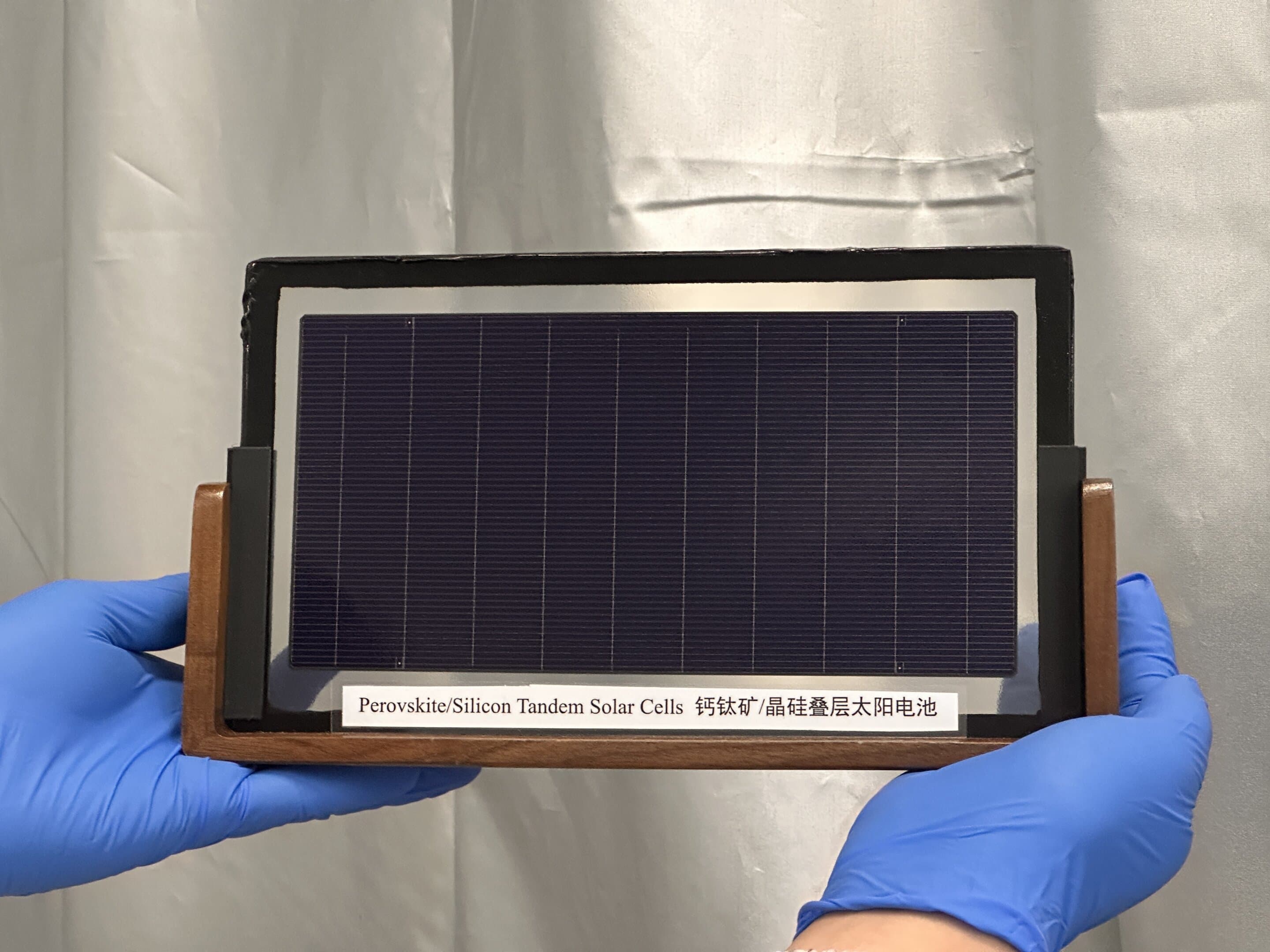
31% solar module drops indium for cheap tin oxide
Roscosmos and NASA intend to maintain cooperation after the end of ISS operations. Their cross-flight program for Russia and the US on the ISS will remain in place until the station is retired.

Frontier Editor
Dan is our resident futurist, covering electric mobility, space exploration, and the smart home. He's interested in atoms just as much as bits. Whether it's a new battery chemistry, a reusable rocket, or a protocol that finally makes IoT devices talk to each other, Dan breaks down the engineering that pushes humanity forward.
via iXBT