• 2 min read
SafeDrive makes self-driving cars weigh routes first
Researchers at Seoul National University built SafeDrive, an AI model that scores multiple driving paths for safety before choosing a maneuver.
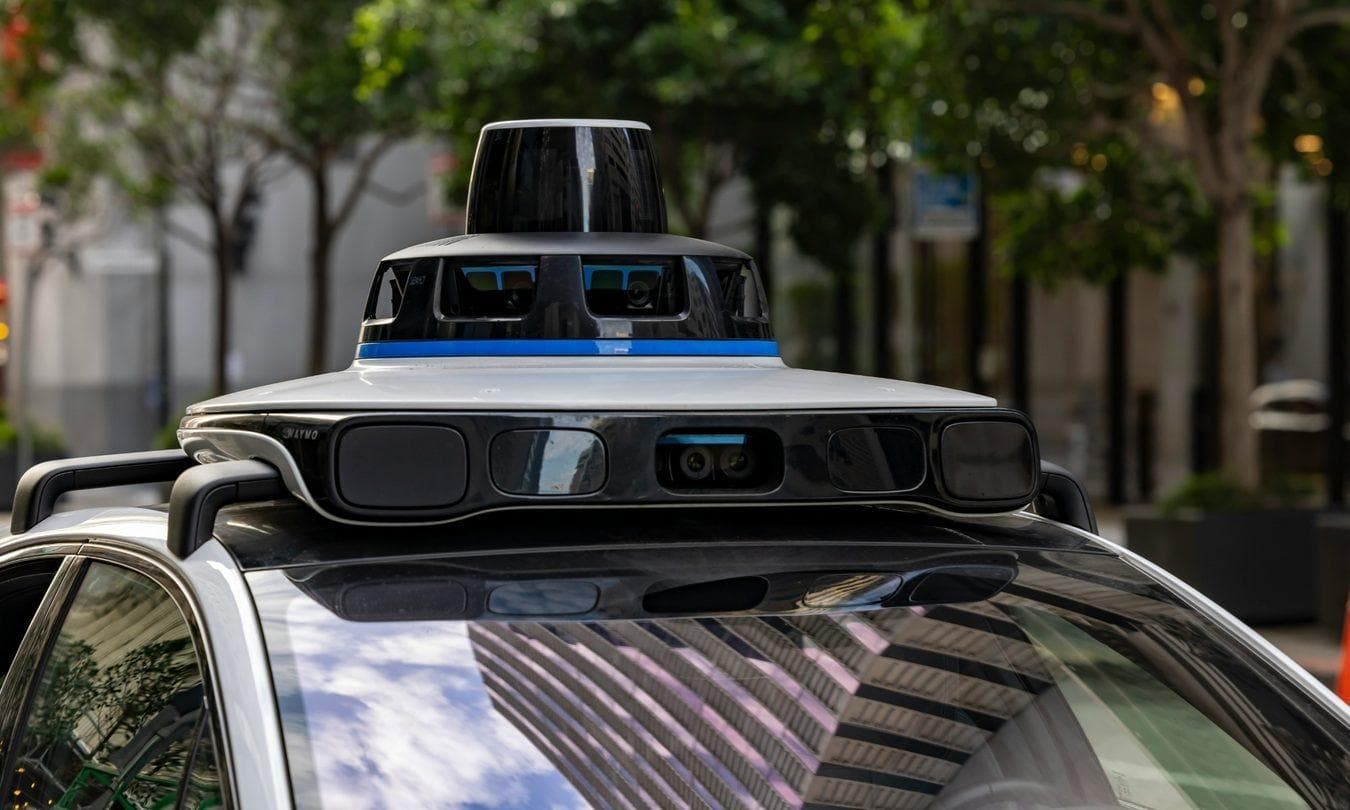
Image: iXBT
A team at Seoul National University has developed SafeDrive, an AI model designed to help self-driving cars make safer choices in unusual road situations. The work was selected as one of the top papers at CVPR 2026, a distinction given to roughly 3% of submitted research.
Most current autonomous driving systems are trained on massive volumes of real-world data and aim to mimic human driving behavior. That works well in routine conditions, but problems appear in scenarios that were not represented in training data: the system may choose a dangerous maneuver and still offer little clarity on why it preferred that option.
SafeDrive uses an approach the researchers call Fine-grained Safety Reasoning. Instead of immediately committing to a single path, the model generates several possible trajectories, analyzes the car’s sensor data, and rates each option by its safety level.
After comparing those candidates, the system selects the route with the highest safety score. According to the source, this is meant to address two longstanding weaknesses of traditional end-to-end driving models: limited decision transparency and the difficulty of controlling vehicle behavior in critical situations.
The project has already moved beyond lab testing. SafeDrive has been integrated into EAD, a reference autonomous driving model supported by South Korea’s Ministry of Trade, Industry and Energy. The development team has also begun working with local autonomous vehicle manufacturers to test the technology in real cars, with plans to expand training data and prepare the system for commercial use.
Recommended reading
FCC moves to block rebranded DJI drones in the US

Frontier Editor
Dan is our resident futurist, covering electric mobility, space exploration, and the smart home. He's interested in atoms just as much as bits. Whether it's a new battery chemistry, a reusable rocket, or a protocol that finally makes IoT devices talk to each other, Dan breaks down the engineering that pushes humanity forward.
via iXBT