• 3 min read
SafeDrive gives self-driving cars a safer second look
Seoul National University’s SafeDrive compares multiple driving maneuvers by risk before choosing one. The model was recognized at CVPR 2026.
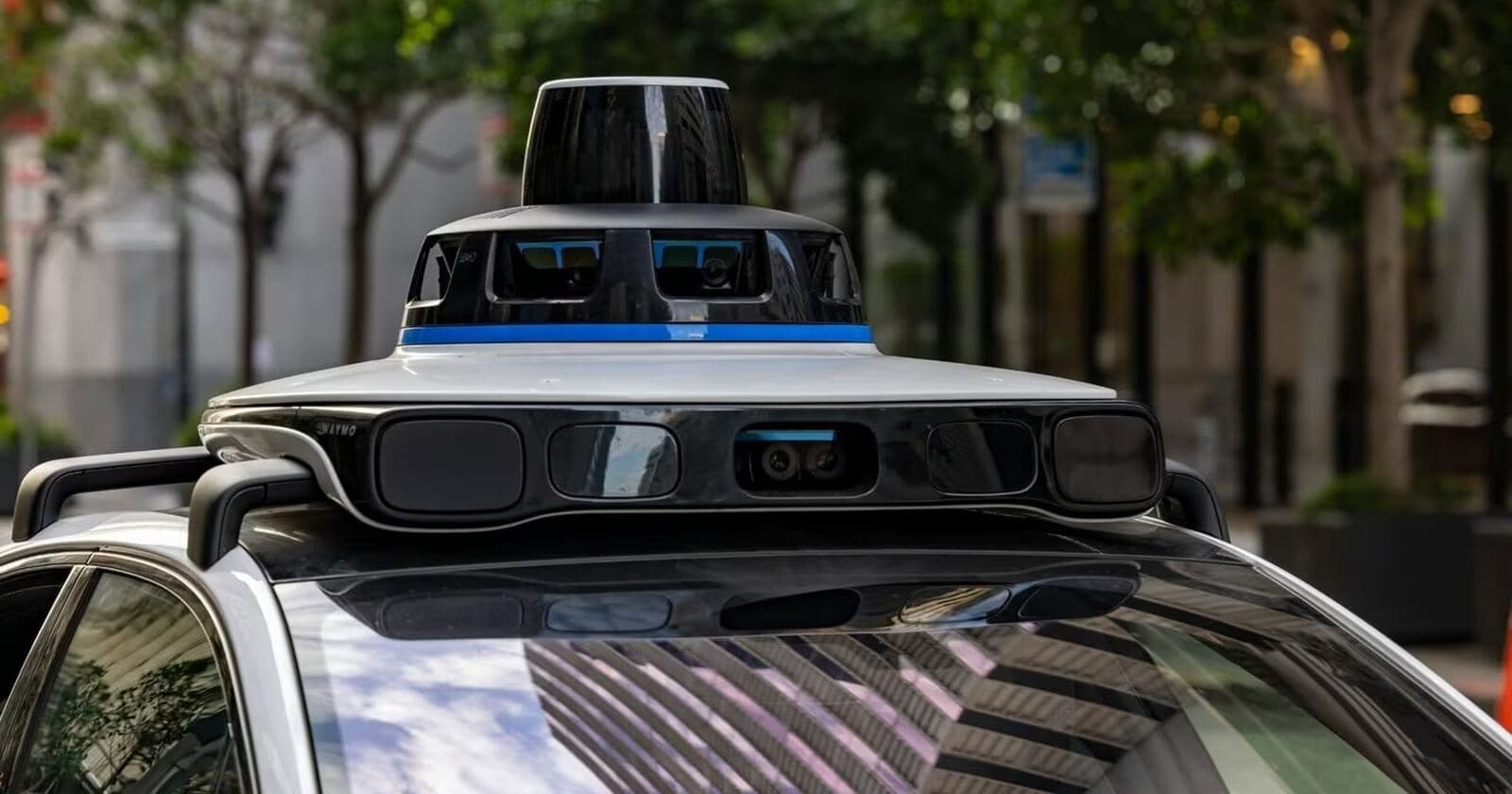
Image: ITzine
Researchers at Seoul National University have unveiled SafeDrive, a model for self-driving cars that avoids committing to the first plausible move. Instead, it calculates several possible maneuvers, compares them by safety level, and selects the one that appears most reliable. The work has already been recognized at CVPR 2026, where only a small share of submissions make the cut.
That marks a clear shift from typical end-to-end systems, which are trained to imitate human drivers using large volumes of trip data. SafeDrive aims for a more transparent chain of reasoning. That matters because autonomous systems often perform well on familiar roads, but can stumble in rare or awkward scenarios where the hard part is not seeing the road, but choosing the right maneuver.
The project also targets a practical problem. Major autonomous vehicle developers have long tried to make cars choose between multiple risky options in a way that can later be checked and verified. In that context, the Korean team’s work looks like an effort to add a dedicated safety validation layer to the driving stack, rather than relying only on a neural network output, however confident it may seem.
Recommended reading
FCC moves to block rebranded DJI drones in the US
How SafeDrive evaluates risk
Most current autonomous driving systems rely on enormous public-road datasets. As long as a situation resembles something seen during training, the system can usually recognize lane markings, pedestrians, and nearby vehicles and respond with a familiar pattern. Trouble starts when the model encounters cases it has not learned well: an unexpectedly merging car, a partially blocked lane, a rare traffic conflict, or a confusing interchange.
In those moments, a system may choose a maneuver that looks reasonable but actually raises crash risk. Another problem is explainability: many models produce an answer without making it clear why they chose it.
SafeDrive is designed around what its developers call Fine-grained Safety Reasoning. The model does not stop at one action. It:
- generates multiple possible driving trajectories
- checks them against the car’s sensor data
- scores each option by safety
- chooses the route with the best safety result
That approach fits a broader industry move away from the idea that one giant neural network can do everything at once. Tesla, Waymo, and several Chinese players have already shifted toward more complex stacks where perception, planning, and control are handled in separate modules. In that setup, a dedicated risk assessment block is a natural addition.
SafeDrive has already been integrated into EAD, a reference autonomous driving model backed by South Korea’s Ministry of Trade, Industry and Energy. The team has also started working with local self-driving vehicle manufacturers to test the approach not only in simulation, but on real cars. If road trials match the lab results, SafeDrive could carve out a niche between classic end-to-end models and heavier modular systems, at a moment when robotaxi and autonomous delivery projects are being judged as much on predictable behavior in rare, costly edge cases as on sensors and maps.
Frontier Editor
Dan is our resident futurist, covering electric mobility, space exploration, and the smart home. He's interested in atoms just as much as bits. Whether it's a new battery chemistry, a reusable rocket, or a protocol that finally makes IoT devices talk to each other, Dan breaks down the engineering that pushes humanity forward.
via ITzine