• 2 min read
Serbia joins NASA’s Artemis Accords as 69th nation
Serbia signed NASA’s Artemis Accords on July 17 in Washington, becoming the 69th country to back the framework for peaceful lunar cooperation.
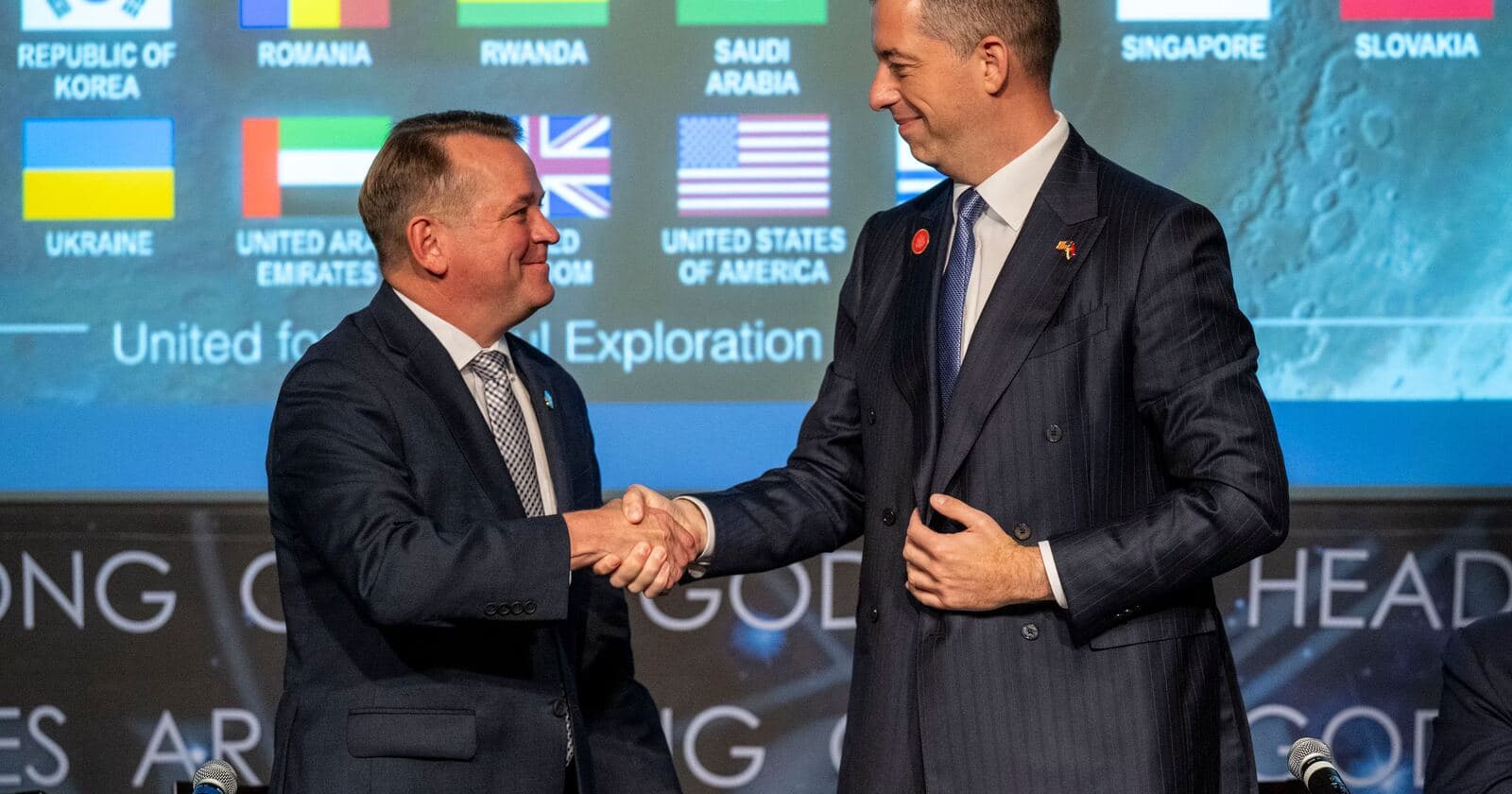
Image: ITzine
Serbia has joined NASA’s Artemis Accords, becoming the 69th country to endorse the principles for the peaceful exploration of the Moon and other Solar System bodies. The signing took place on July 17 at NASA headquarters in Washington, with Serbian Foreign Minister Marko Đurić signing on the country’s behalf.
For Belgrade, the move is both diplomatic and practical: it puts Serbia inside the group of countries that can take part in future NASA lunar projects. The Accords set out baseline rules for partners working with NASA under the Artemis program, including the peaceful use of space, scientific data sharing, assistance to crews in emergencies, reducing harmful interference, and preserving historically significant sites and artifacts.
Beyond those principles, the framework also matters because it plugs signatories into the lunar cooperation network NASA is building around future permanent infrastructure on the Moon. For Serbia, that could mean access to specific projects involving:
- scientific instruments
- technology payloads
- satellites for lunar missions
- possible participation in larger Artemis programs over time
NASA also noted that links between Serbian engineers and the US space sector go back to the Apollo era, with specialists of Serbian origin contributing to guidance, power systems, docking, and mission coordination.
Recommended reading
Starship V3 abort hits SpaceX stock and Starlink plans
Artemis Accords growth since 2020
NASA and the US State Department introduced the Artemis Accords in 2020 alongside seven founding countries. The agreement emerged as government agencies, private companies, and international partners all returned their focus to the Moon.
Since then, the number of signatories has grown almost tenfold, turning the Accords into one of the main tools of US space diplomacy. For NASA, the model helps assemble an Artemis coalition without imposing the kind of binding obligations found in a formal intergovernmental treaty. Countries first sign on to shared principles, then can move into specific projects tied to lunar science, communications, navigation, and infrastructure.
Serbia’s place in the lunar push
In Belgrade, officials also framed the decision in historical terms. Marko Đurić linked the move to Nikola Tesla, Milutin Milanković, and David Vujic, whom NASA described as one of the participants in the Apollo program and a representative of the Serbian-origin engineering tradition.
The timing also matters. China is advancing its own lunar program, Europe is expanding its role in international missions, and private companies are competing in cargo delivery and scientific payloads. Against that backdrop, each new Artemis Accords signature reinforces the US-led model as the largest coalition now forming around future lunar missions and infrastructure.

Frontier Editor
Dan is our resident futurist, covering electric mobility, space exploration, and the smart home. He's interested in atoms just as much as bits. Whether it's a new battery chemistry, a reusable rocket, or a protocol that finally makes IoT devices talk to each other, Dan breaks down the engineering that pushes humanity forward.
via ITzine