• 2 min read
Russia’s Falcon 9 rival slips to a demonstrator phase
Nearly six years after Roscosmos unveiled Amur-LNG, Russia’s reusable rocket effort is still focused on a first-stage demonstrator.
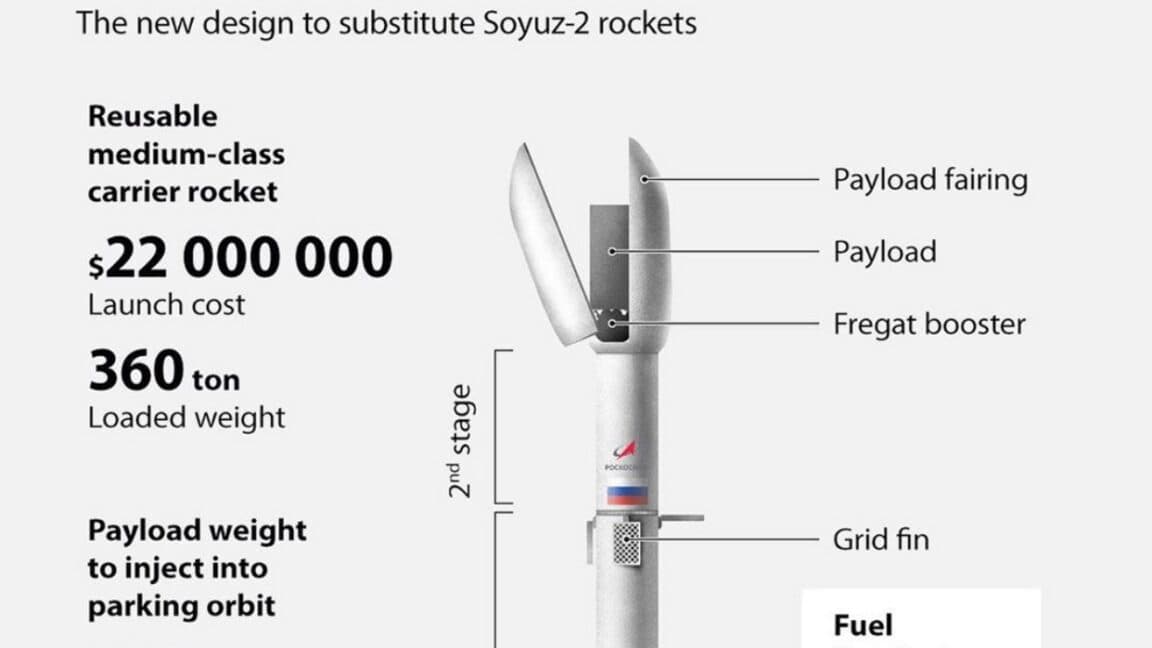
Image: Ars Technica
Nearly six years after Roscosmos introduced plans for Amur-LNG, Russia’s proposed answer to SpaceX’s Falcon 9 still has not reached the launch pad. Instead, the program is currently centered on building a first-stage demonstrator, according to a senior Russian rocket official.
That update stands out as reusable launch activity accelerates elsewhere. China recently became one of the countries to both launch an orbital mission and recover its booster, while Japan’s space agency has been running hop tests and Honda has carried out vertical reuse tests. In the United States, SpaceX continues to launch and land reusable rockets every few days, Blue Origin has shown it can land and relaunch a large orbital booster despite New Glenn being temporarily grounded, and companies including Stoke Space, Rocket Lab, and Relativity Space are still pushing toward partial or full reusability.
Roscosmos first unveiled Amur-LNG as a state-backed reusable rocket program intended to use methane-powered engines and a reusable first stage. The vehicle was designed to carry 10.5 metric tons to low-Earth orbit in reusable mode. At the time, Russian officials said the rocket would debut in 2026.
Now that 2026 has arrived, the latest public update suggests the project remains earlier in development than that original target implied. In an interview with the RBC business publication, Dmitry Baranov, Roscosmos' Deputy Director General for Rocket Programs, said work is focused on a demonstrator for the rocket’s first stage.
Recommended reading
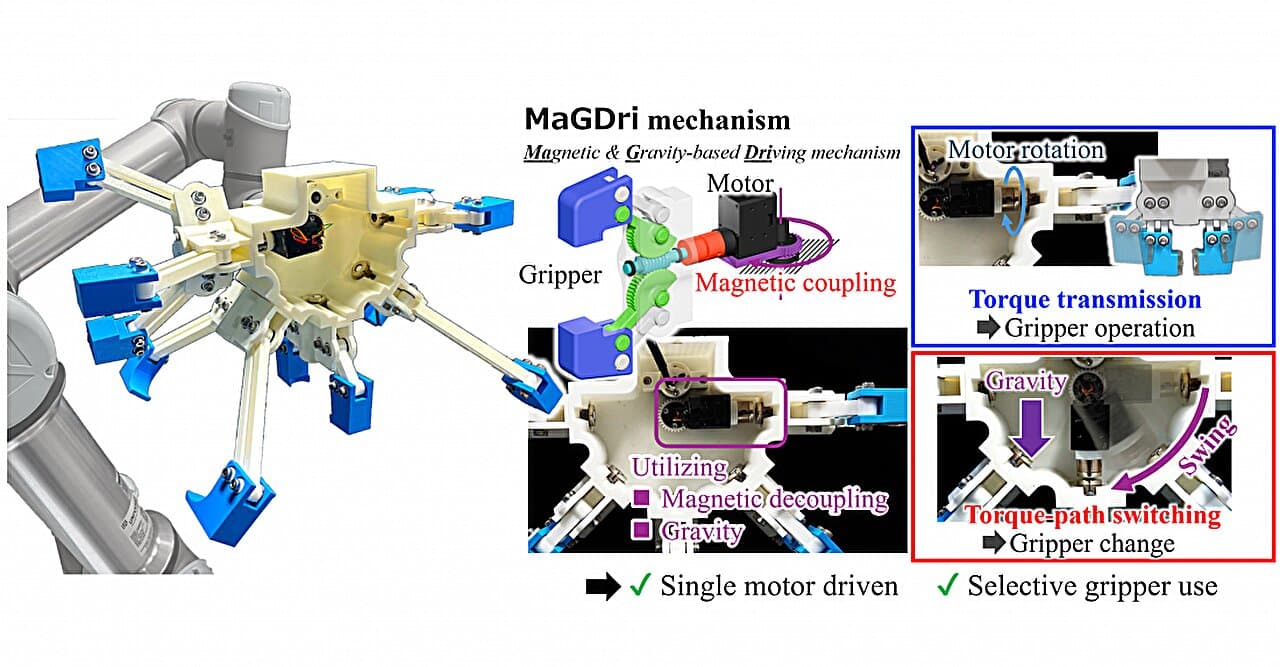
One motor powers this robotic hand’s multiple grippers
For a country that carried out the world’s first orbital launch nearly seven decades ago, that is a modest milestone at a moment when reusable rocketry is rapidly becoming standard elsewhere.

Frontier Editor
Dan is our resident futurist, covering electric mobility, space exploration, and the smart home. He's interested in atoms just as much as bits. Whether it's a new battery chemistry, a reusable rocket, or a protocol that finally makes IoT devices talk to each other, Dan breaks down the engineering that pushes humanity forward.
via Ars Technica