• 2 min read
Tech giants are offering to fund SK Hynix DRAM capacity
The AI boom has pushed DRAM demand into awkward territory: some of the biggest tech companies are reportedly willing to help pay for new SK Hynix production lines and even the expensive EUV lithography tools needed to eq
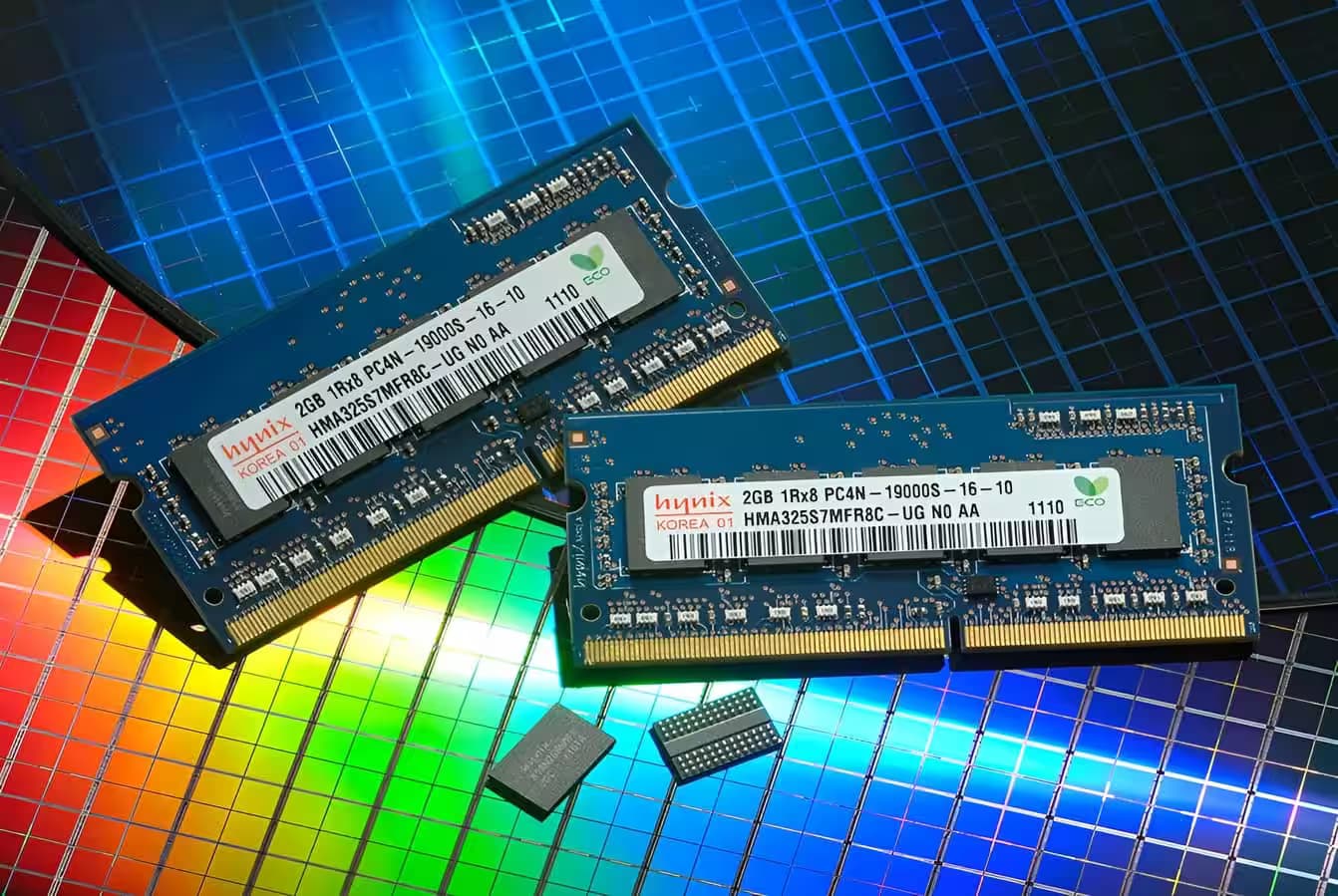
Image: ixbt.com
The AI boom has pushed DRAM demand into awkward territory: some of the biggest tech companies are reportedly willing to help pay for new SK Hynix production lines and even the expensive EUV lithography tools needed to equip them. Reuters says the South Korean memory giant is not eager to take the deal, because outside money can quickly turn into outside control.
That hesitation makes sense. A chipmaker that lets a handful of customers help bankroll its factory expansion can end up negotiating from a weaker position later, especially if the price of “guaranteed” supply is lower margins and long-term dependence. Memory is already tight enough that buyers are trying to secure access by any means necessary.
Why customers want to pay for SK Hynix DRAM tools
The pressure comes from AI infrastructure, where HBM and DRAM availability can make or break server rollouts. ASML’s EUV scanners are among the most expensive pieces of kit in semiconductor manufacturing, so offering to help finance them is a blunt but logical move from cloud giants that are desperate to avoid shortages.
SK Hynix, though, appears to be protecting its negotiating leverage. Reuters sources said the company has almost no spare capacity, with one describing available room as effectively zero, which means it cannot simply carve out dedicated lines for a single buyer without squeezing everyone else out.

Recommended reading
Signal tests Android phones as linked devices
P&T7 Mega-Fab is already swallowing demand
Instead of accepting customer-funded strings, SK Hynix is building P&T7 Mega-Fab, a new complex roughly the size of 32 football fields. The facility is slated to produce next-generation memory, including HBM, the high-bandwidth stack that has become mandatory for AI accelerators and modern data centers.
- Target product: next-generation DRAM, including HBM
- Equipment in question: EUV lithography tools from ASML
- New complex: P&T7 Mega-Fab
- Expected full launch: 2028
The broader trend is familiar: when supply chains get tight, customers start behaving like investors. Samsung and Micron have both benefited from the same memory cycle dynamics, but SK Hynix is the one being asked to let buyers into the factory finance room. That usually means the shortage is real.
Who gets priority in the next DRAM shortage
If SK Hynix keeps saying no, the company preserves pricing power and flexibility. If it eventually gives in, it will probably do so on its own terms, not because Big Tech had a charming idea about partnership. The more likely near-term outcome is simple: everyone wants more memory, and there still isn’t enough of it.

Computing Editor
Tomas lives in the terminal. He covers chips, laptops, and operating systems with a focus on performance and efficiency. He reads kernel changelogs the way other people read fiction, and he's always on the hunt for the perfect mechanical keyboard switch. If it processes data, Tomas has an opinion on it.
via ixbt.com