• 3 min read
Solar cells survive shade stress with 97% efficiency intact
PolyU says its perovskite-organic tandem solar cells kept 97% efficiency after 2,000 hours at -4.5 V and over 90% after -40 V stress.
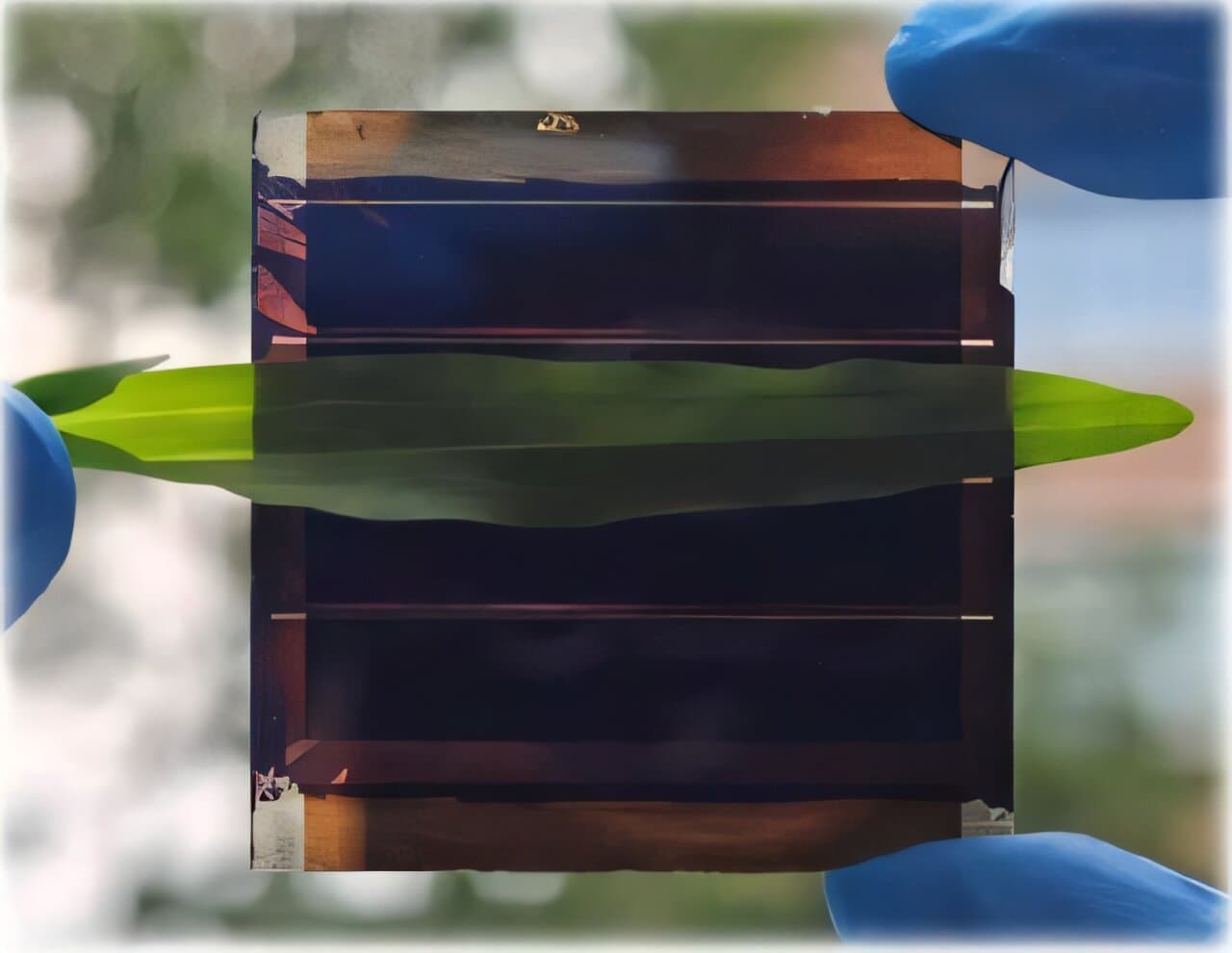
Image: TechXplore
Solar panels routinely end up in partial shade from trees, clouds, birds, or buildings. For thin-film solar designs, that can trigger reverse-bias stress—negative voltage that cuts performance and can permanently damage modules. Researchers at The Hong Kong Polytechnic University (PolyU) say they have built perovskite–organic tandem solar cells (POTSCs) that hold up far better under those conditions.
According to the team, the tandem devices retained more than 90% of their initial power-generation efficiency even under an extreme reverse bias of -40 V. They also kept 90% of their initial efficiency after running continuously at -20 V for 12 hours, and 97% after 2,000 hours at -4.5 V. The researchers say that surpasses existing thin-film solar technologies.
Thin-film approaches such as cadmium telluride (CdTe), copper indium gallium selenide (CIGS), perovskite, and organic solar cells are attractive because they are lightweight, flexible, and relatively inexpensive to manufacture. But they share a weakness: their electron-ion hybrid conducting properties make them vulnerable when part of a cell is shaded and negative voltage develops.
What causes the damage
The PolyU team traced reverse-bias damage in organic solar cells (OSCs) to deep trap states in the bulk heterojunction, the active layer formed by blending two materials. These defects can immobilize charge carriers, reducing efficiency and causing breakdown.
Recommended reading
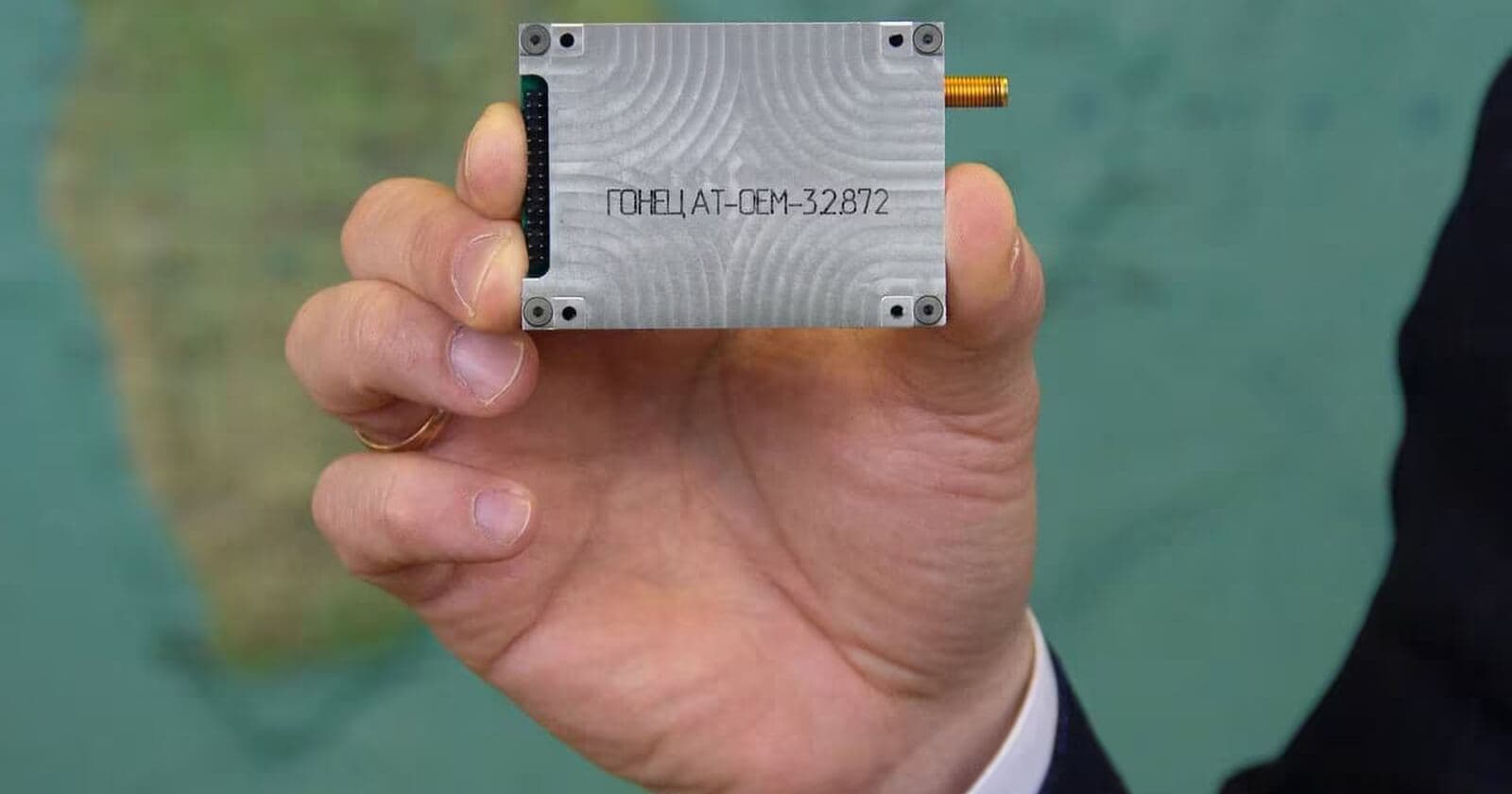
Roscosmos tests AT-Gonets modem that keeps data after power loss
By suppressing isolated acceptor clusters in the donor-acceptor intermix region, the researchers say they reduced those defects and produced OSCs with an irreversible breakdown voltage exceeding -35 V. That means the cells are not permanently damaged as long as the negative voltage stays below -35 V.
Professor Li Gang, chair professor of energy conversion technology in PolyU’s Department of Electrical and Electronic Engineering, said the work addresses a problem that is often overlooked.
“We have achieved important advances in the stability of OSCs and POTSCs under challenging reverse-bias conditions. Our research makes breakthrough contributions to the understanding of both device operation and durability in organic and perovskite solar technologies.”
Efficiency above 26%
The study, published in Nature Materials as “Perovskite–organic tandem solar cells with superior reverse-bias stability,” also found that suppressing reverse tunneling in n-i-p inorganic perovskite-organic tandem solar cells allowed the organic layer to protect the perovskite layer.
The latest n-i-p POTSCs delivered a power conversion efficiency exceeding 26%. In earlier work published in Nature Energy in 2025, Li’s team reported 25.9% efficiency, with 25.1% certified, using bottom-contact modulation.
The Nature Materials paper’s first author is Dr. Huang Jiaming, a postdoctoral research fellow at PolyU. Han Yu, a Ph.D. student in the same department, was first author of the Nature Energy paper, while Dr. Ren Zhiwei, research assistant professor, is co-corresponding author on both.
Li said the shade resistance has also been shown in scalable minimodules, pushing the technology closer to practical deployment.
“The exceptional reverse-bias stability under shading conditions has been vividly demonstrated in scalable perovskite-organic tandem solar cell minimodules. This marks a significant leap forward, paving the way for a sustainable and efficient future powered by renewable energy systems.”

Frontier Editor
Dan is our resident futurist, covering electric mobility, space exploration, and the smart home. He's interested in atoms just as much as bits. Whether it's a new battery chemistry, a reusable rocket, or a protocol that finally makes IoT devices talk to each other, Dan breaks down the engineering that pushes humanity forward.
via TechXplore