• 2 min read
Roscosmos tests AT-Gonets modem that keeps data after power loss
Roscosmos says its AT-Gonets satellite modem resumed transmission after full power cuts without losing messages during tests in Moscow.
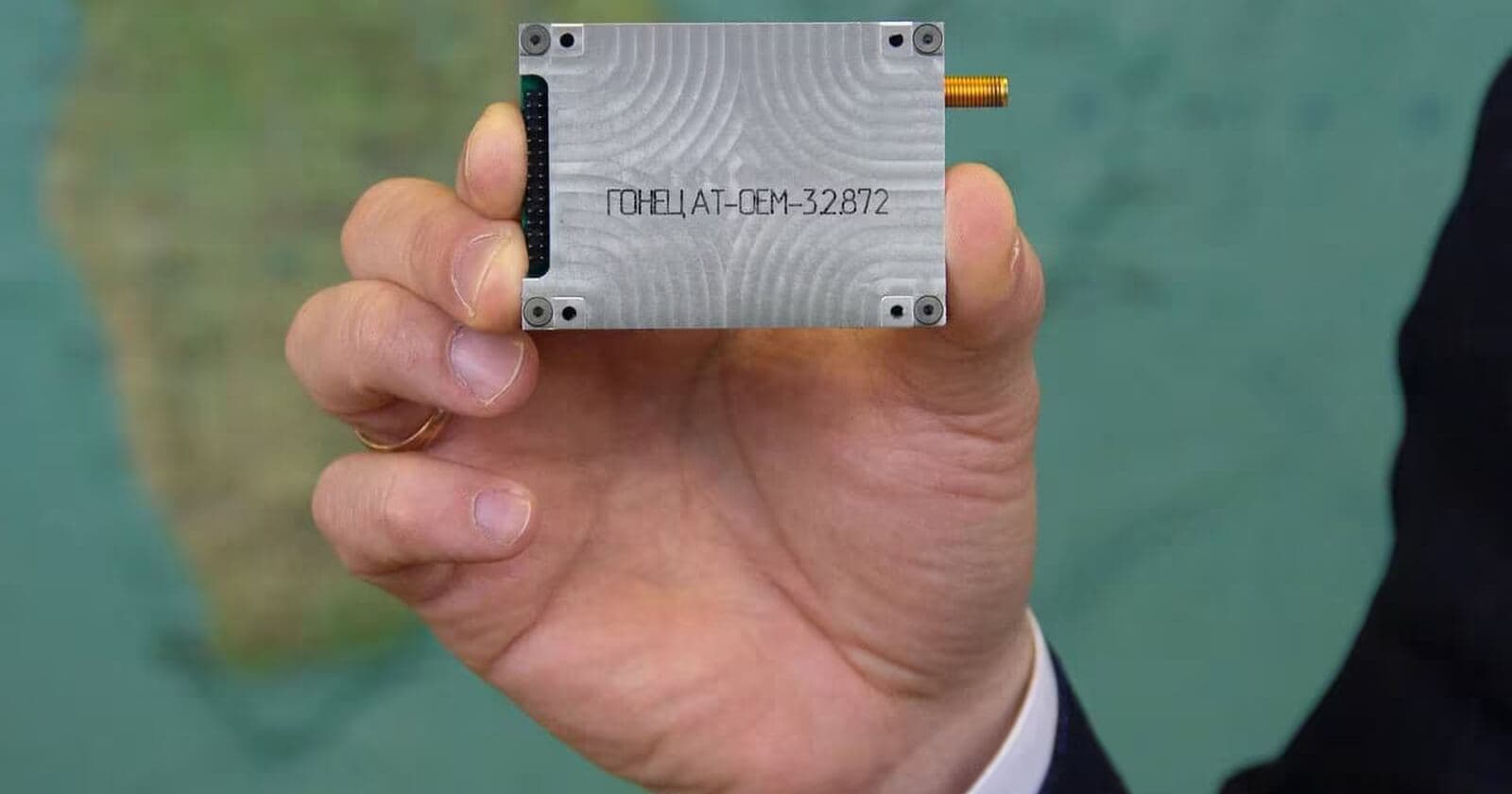
Image: ITzine
Roscosmos says its new AT-Gonets satellite modem can keep working through a full power loss without losing transmitted data, a key requirement for remote deployments where manual recovery is impractical. The device is being built for communications in areas with no cellular coverage, and its next step is mass production.
The tests were conducted in Moscow with specialists from Satellite System Gonets and STEKKOM. During the trials, the modem was powered down several times and then switched back on. According to the developers, it restarted without manual configuration and preserved sent messages. Test traffic ranged from 10-byte packets to 20-kilobyte packets, and the developers said all messages were delivered without errors.
Roscosmos also said the new modem is about six times more compact than the previous version. That matters for satellite IoT deployments, where telemetry is sent from remote sites, vehicles, and industrial equipment, and where available space inside hardware enclosures is often limited.
Recommended reading
Rosatom readies Chukotka mini nuclear plant for 2030 launch
The modem’s core use case is short messages and telemetry. In this segment, satellite IoT is less a replacement for mobile networks than a substitute for places where no mobile network exists at all. That is why demand tends to come from mining, logistics, energy, and Russia’s northern regions.
The Gonets project has long been trying to secure a position in small satellite terminals and data links, where reliability, hardware cost, and operation beyond the reach of terrestrial networks matter more than speed. The field is already crowded: Iridium, Inmarsat, and Globalstar are established names in satellite communications, while Starlink is increasingly mentioned in IoT discussions as it expands beyond broadband into more remote connectivity services. For Roscosmos, the bigger test now is whether it can move from lab validation to volume production and real industry deployments.

Frontier Editor
Dan is our resident futurist, covering electric mobility, space exploration, and the smart home. He's interested in atoms just as much as bits. Whether it's a new battery chemistry, a reusable rocket, or a protocol that finally makes IoT devices talk to each other, Dan breaks down the engineering that pushes humanity forward.
via ITzine