• 3 min read
Sony Bravia 9 II shines in bright rooms
Sony’s $3,600 Bravia 9 II is the best RGB LED TV yet, with standout brightness and anti-reflection, but OLED still wins for most buyers.
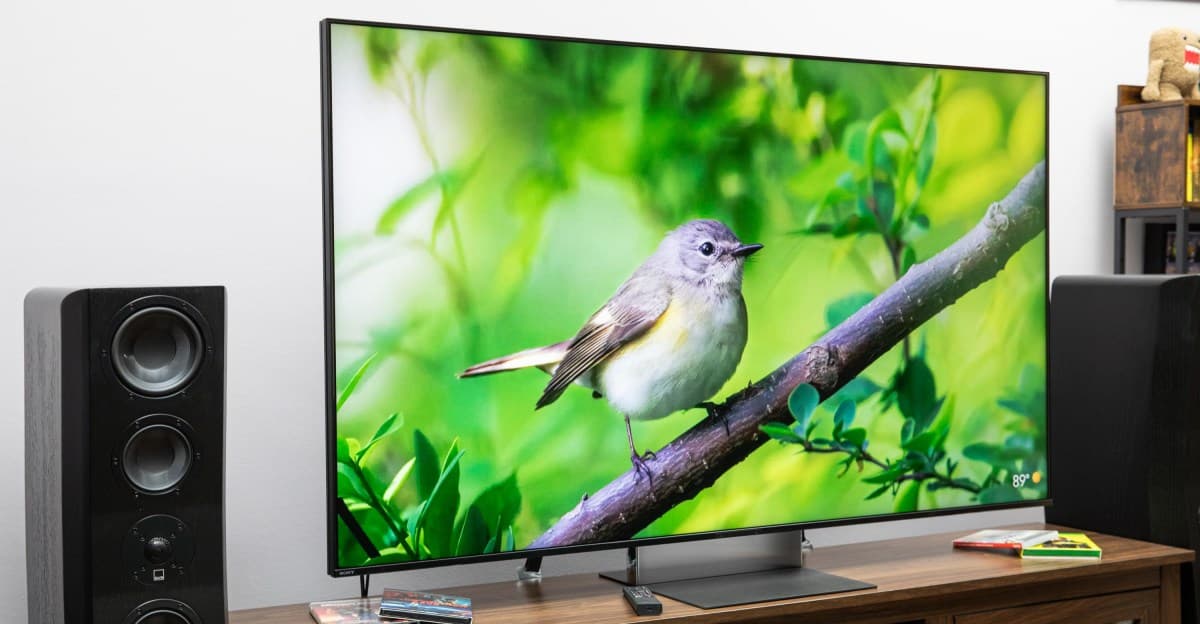
Image: The Verge
Sony’s Bravia 9 II is the strongest case yet for RGB LED TVs. In The Verge’s testing, the set delivered excellent color accuracy, standout HDR highlights, and what may be the best anti-reflective screen on any TV right now. But at $3,600 for the 65-inch model, it also costs $1,000 more than the 65-inch Bravia 7 II and even undercuts Sony’s own value argument when the 65-inch Bravia 8 II OLED sells for $3,000.
The Verge gave the TV a 9/10. Its main strengths were excellent color accuracy, high brightness, a matte light-diffusing screen, and the same lenticular stand used on the Bravia 7 II. The main drawbacks: it is pricier than flagship OLEDs, and because it is still an LED TV, some blooming remains, especially when viewed off-axis.
Sony first showed an early prototype of its RGB LED backlight tech in Tokyo in early 2025. Like the Bravia 7 II, the new model replaces the long-standard blue LED backlight with clusters of red, green, and blue LEDs, allowing for a wider color range. Both TVs use the same processor, the same stand, and the same frustrating port setup: four HDMI ports, but only two HDMI 2.1.
According to The Verge, the Bravia 9 II measured 3,800 nits for HDR highlights and 885 nits on a full-field white screen. That is well above the Bravia 7 II’s 2,200 nits highlight measurement, though full-screen brightness was much closer at 848 nits. The review found Sony’s processing made a big difference in real use, particularly with sports and broadcast TV viewed via an ATSC 3.0 antenna in a sunlit room.

Recommended reading
Torras Big Eye Pro packs 3-in-1 charging into an egg shape
Sony Bravia 9 II specs and screen performance
The key specs cited by The Verge:
- Display type: RGB LED
- HDR formats: Dolby Vision, HDR10, HLG
- OS: Google TV
- HDMI inputs: 2 x HDMI 2.1 (one with eARC); 2 x HDMI 2.0
- Audio support: Dolby Atmos, DTS:X
- Gaming features: 4K/120Hz, ALLM, VRR
- Sizes available: 65, 75, 85, 115 inches
The anti-reflective coating appears to be the big differentiator. The Verge says bright windows and lamps were reduced to a faint glow, without hurting black levels, making the set especially good for bright rooms. The Bravia 9 II also has more dimming zones than the Bravia 7 II, which helps reduce blooming when viewed straight on.
Off-angle viewing is the weak point. Blooming becomes more obvious from the sides, and the review noted visible white and color bleed in some scenes. That makes the TV less ideal for wide seating arrangements, even if it remains one of the best LED implementations Sony has shipped.
For buyers who specifically want an LED TV that can fight glare, The Verge’s verdict is clear: the Bravia 9 II is the best RGB LED TV available and the best option for a bright room. For most people, though, the publication still recommends an OLED — including Sony’s own Bravia 8 II — because pixel-level contrast still matters more than raw brightness.

Computing Editor
Tomas lives in the terminal. He covers chips, laptops, and operating systems with a focus on performance and efficiency. He reads kernel changelogs the way other people read fiction, and he's always on the hunt for the perfect mechanical keyboard switch. If it processes data, Tomas has an opinion on it.
via The Verge