• 2 min read
Steam games get DIY SSD cartridges on Linux
A hobbyist built a cartridge-like Steam setup using old 128GB SSDs, Linux, and a dock station to launch games by plugging them in.
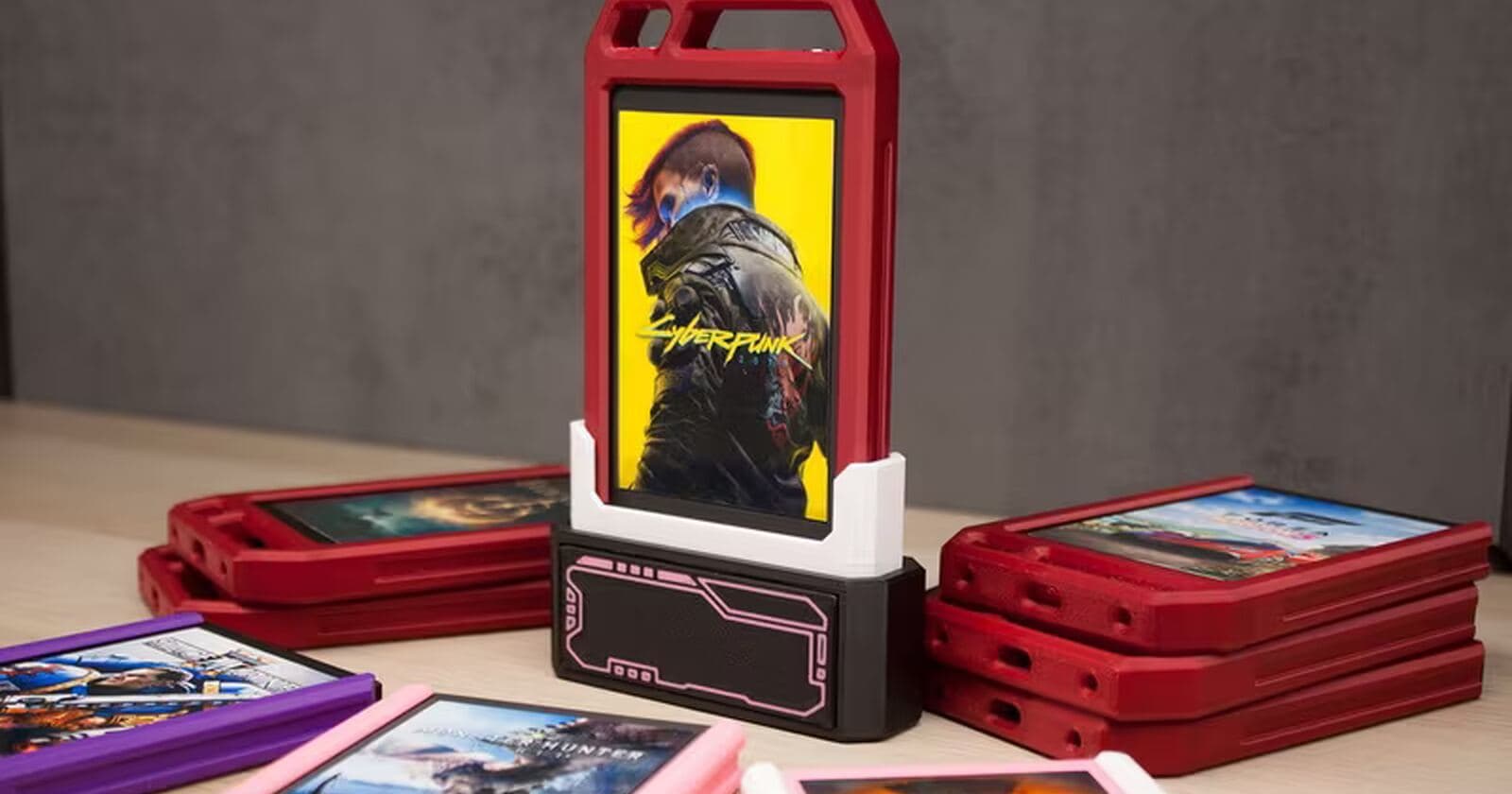
Image: 3dnews
A hobbyist going by Jibril-sama has built a near-console experience for Steam: purchased games are written to separate SSD “cartridges” made from old 2.5-inch drives, then launched simply by inserting them into a dock. The setup runs on Linux and does not modify or crack Steam. Instead, it detects the connected drive, opens the correct game page through a Steam URL, and launches the title if needed.
Each cartridge uses a 128GB SSD in a 3D-printed shell themed around a specific game. Insert the drive into an external SATA dock, and the system takes over automatically. According to the project’s creator, used SSDs cost about €7 each, making a one-game physical format cheaper than many collector’s editions while being far more distinctive than an anonymous folder in a library.
The mechanics are straightforward. A udev rule watches for a drive connection, then a systemd template checks the disk contents, finds the script, and runs it. Steam’s own URL handling does the rest. Valve has supported game libraries across multiple drives for years, along with moving installed games between them, so the project works inside Steam’s existing system rather than against it.
There is a practical side too. Older SATA SSDs can deliver roughly 500–550 MB/s, which is enough for many single-player games and indie titles, especially for users who do not want to fill their main NVMe storage.

Recommended reading
GTA 6 pre-orders hit $180 million in one week
Reddit commenters have already suggested adding GOG support, which could arguably fit even better because many of CD Projekt’s store releases are DRM-free and do not require a client for every launch. Still, the limits are obvious: not every Steam game handles being moved to another drive gracefully after installation, and live-service games quickly outgrow the “one game, one cartridge” idea with constant updates. For now, the system is best suited to single-player titles that people revisit from time to time.
If projects like this catch on, they could revive a small corner of physical PC gaming that largely disappeared as the market went fully digital and now survives mostly among collectors.

Culture Editor
Maya explores gaming, streaming, and the internet as a place where people actually live. From deep-dives into creator economies to the anthropology of digital communities, she tracks platform drama and cultural shifts so you don't have to. She believes the best tech stories are fundamentally about human behavior.
via ITzine