• 2 min read
Styropyro Made 'Lightning in a Bottle' With Mercury and Neon
YouTuber Drake Anthony, known as Styropyro, built glowing vacuum bulbs with mercury and noble gases, then brightened them with a Tesla coil.
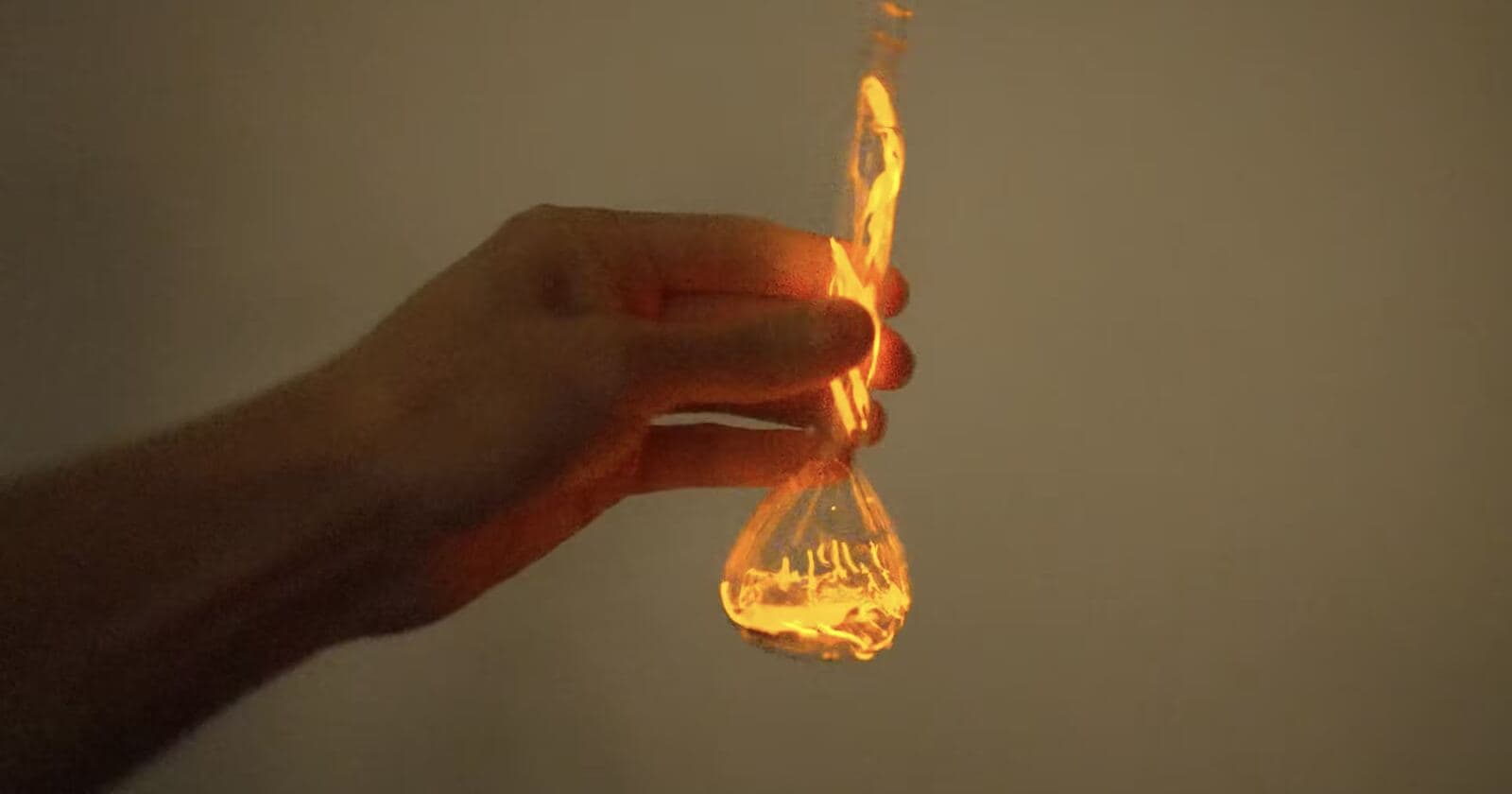
Image: ITzine
YouTube experimenter Drake Anthony, better known as Styropyro, has shown off a glass bulb that produces flashes resembling lightning in a bottle. The setup combines mercury, neon, and a vacuum tube, then gets an extra visual boost when brought near the field of a Tesla coil.
Anthony opens the video with a brief history lesson. In 1675, astronomer Jean Picard shook mercury inside an evacuated glass tube and noticed a faint glow. Physicists later explained the effect as triboelectricity, and gas-discharge lamps eventually extended the idea with neon, krypton, and other noble gases.
Anthony first built a bulb filled with mercury, pumped out the air, and sealed the glass with a torch. Against a dark background, the glow was fairly weak. But once he brought a Tesla coil close, the tube lit up much more intensely.
He then mixed mercury with neon, producing sharp discharges inside the bulb that looked strikingly like miniature lightning. He did not stop at a single design, either. In the video, Anthony assembled several versions, changed the shape of the glass, tested different noble gases, and observed how each mixture behaved.
The results varied clearly: neon produced a bright red glow, while krypton created colder blue flashes. That hands-on mix of visible physics and showmanship is familiar territory for Styropyro, whose earlier projects have ranged from car-battery builds to high-voltage setups.
Recommended reading
Reshetnev Unveils 12-Meter Folding Satellite Reflector
The video’s main draw is not just the glow itself, but how dramatically it changes with different gases and under an electric field. As the source notes, this is not something to try at home: mercury is toxic, glass vacuum bulbs can shatter easily, and the high voltage from a Tesla coil adds another serious hazard.

Frontier Editor
Dan is our resident futurist, covering electric mobility, space exploration, and the smart home. He's interested in atoms just as much as bits. Whether it's a new battery chemistry, a reusable rocket, or a protocol that finally makes IoT devices talk to each other, Dan breaks down the engineering that pushes humanity forward.
via ITzine