• 2 min read
China clears first commercial brain implant for paralysis
China has approved Neuracle’s NEO brain-computer implant for some paralysis patients, moving an invasive BCI from trials into clinical use.

Image: iXBT
China has approved Neuracle’s invasive brain-computer interface for commercial use in patients with paralysis caused by spinal cord injuries, marking a shift from clinical trials to real-world medical practice for a defined patient group. According to the source, this makes NEO the first Chinese brain chip to receive that status.
Developed by Neuracle Technology with researchers from Tsinghua University, the NEO implant takes a less penetrating approach than some rival systems. Rather than being inserted deep into brain tissue, it is placed under the skull, with electrodes attached to the dura mater, the brain’s protective outer layer. The goal is to capture neuronal electrical activity without entering the brain tissue itself.
The first volunteer was Dong Hui, 39, who lost the ability to move after a car crash caused a spinal injury 6 years ago. After implantation, he was able to perform basic tasks through the interface, including typing text. In March 2026, the source says, he became the first person in the world to receive an invasive BCI approved for use outside a clinical study.
Recommended reading
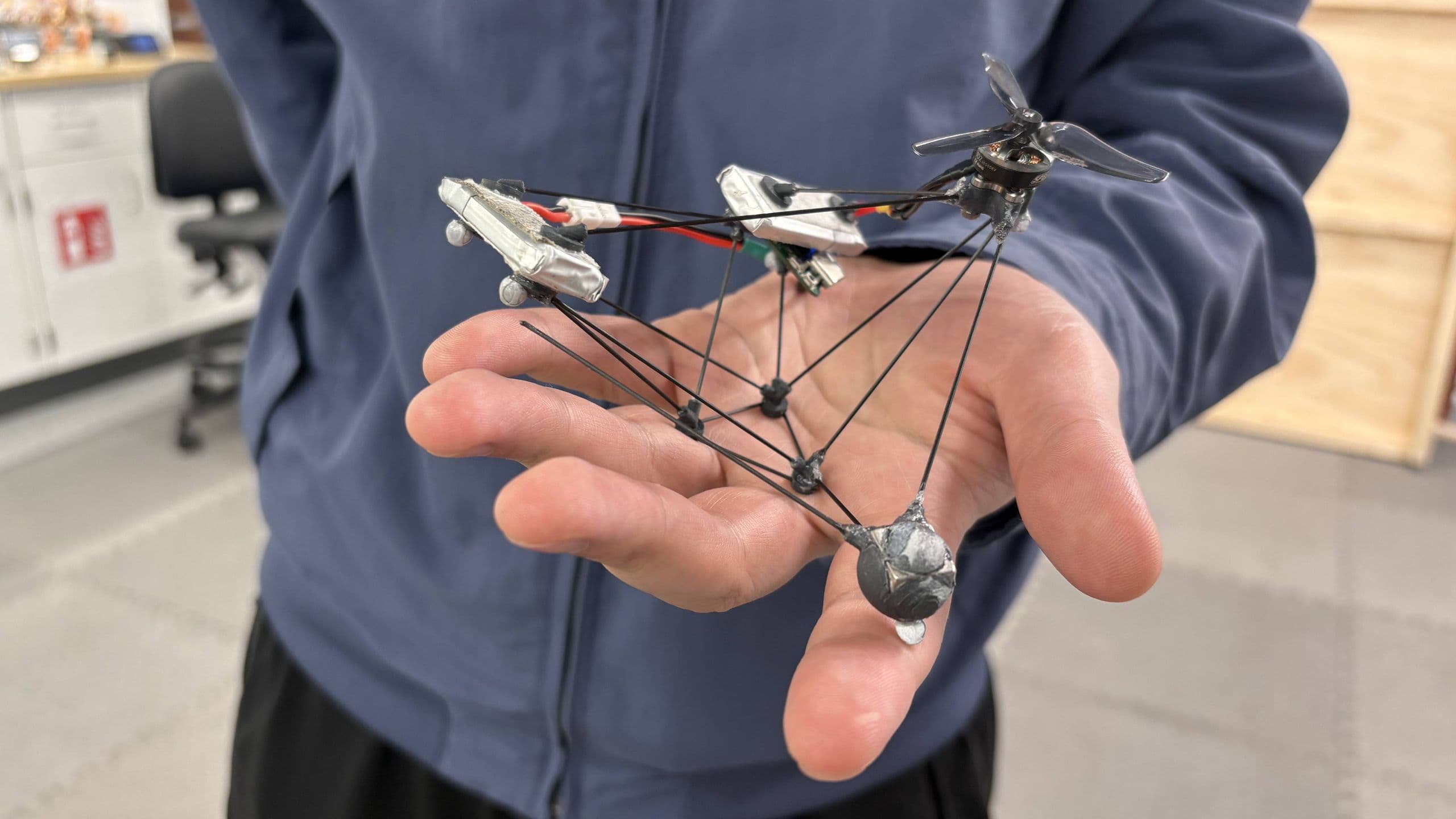
This drone spins itself nearly out of sight
BCI development is now advancing across the US, Canada, Australia, Germany, Spain, and China. While Elon Musk’s Neuralink has drawn outsized attention, the underlying concept is much older: French scientist Jacques Vidal coined the term brain-computer interface in 1973, demonstrating that electroencephalography (EEG) signals could be used to send information directly from the brain to a computer.
China is treating neural interfaces as a priority technology and is also working on domestic standards for the sector. The article points to Gestalt as another Chinese company pursuing a different route: phased-array ultrasound for reading brain activity and stimulating neural pathways without surgery. If that works in practice, it could make future BCIs less invasive.
As brain interfaces move toward commercialization, pressure is growing around safety, regulation, access, neural data protection, cybersecurity, and long-term implant monitoring. For now, the key test for the field is not how fast BCIs reach the market, but whether they can show clear safety and patient benefit.

Frontier Editor
Dan is our resident futurist, covering electric mobility, space exploration, and the smart home. He's interested in atoms just as much as bits. Whether it's a new battery chemistry, a reusable rocket, or a protocol that finally makes IoT devices talk to each other, Dan breaks down the engineering that pushes humanity forward.
via iXBT