• 3 min read
Tech workers fear AI means more work, not job loss
A survey of 6,000 tech professionals found the biggest AI fear is higher output expectations without higher pay, alongside rising burnout.

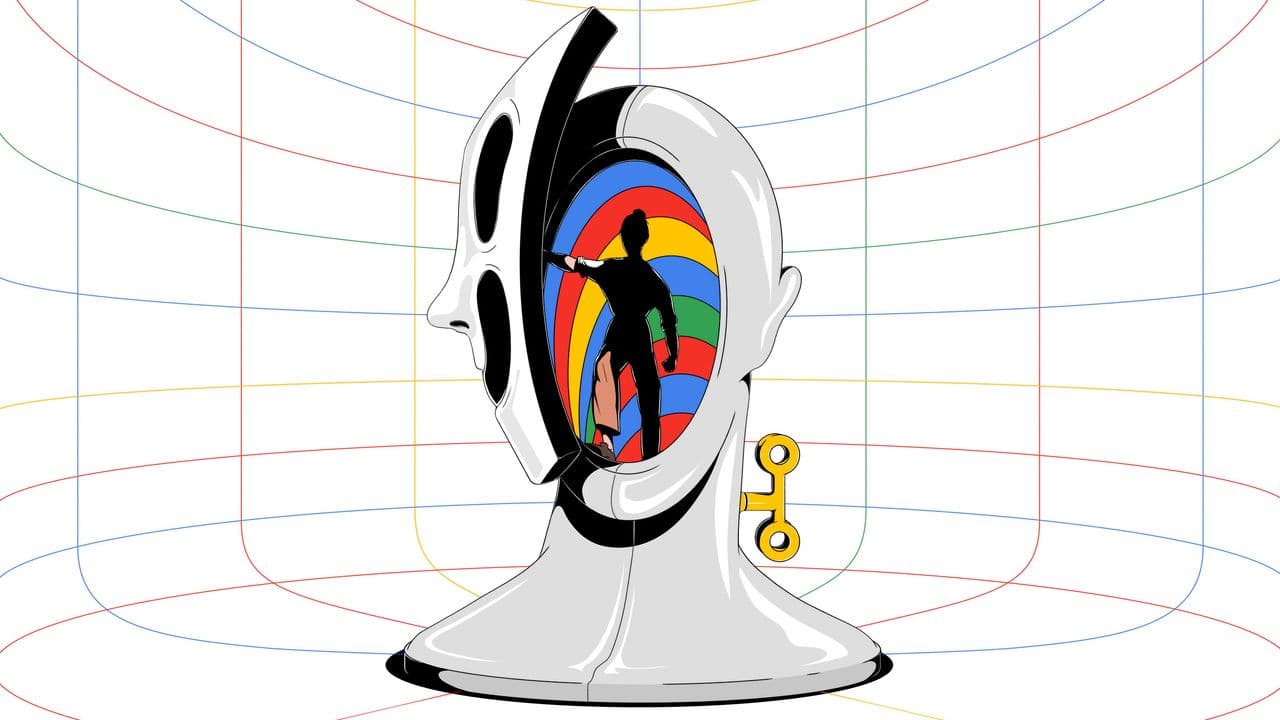
Image: ZDNET
For many tech workers, the biggest fear around AI is not replacement. It is being asked to produce more for the same money.
That is the headline finding from Noam Segal and Lenny Rachitsky’s latest tech worker sentiment survey of 6,000 professionals. As they put it, the top concern is not losing a job to AI, but being “squeezed to do more work for the same pay.” In their view, AI has raised expectations for output, while the reward has often been simply more work.
The survey paints a bleak mood across the industry. Burnout is up and optimism is down, with faster shipping cycles, more prototypes, more product requirements documents, and more AI agents feeding a culture of constant acceleration. Segal and Rachitsky also found that most tech professionals would not recommend their own role to someone entering the field today.
Kaan Esendemir, an AI application architect at UPS, told ZDNET he has seen the strain firsthand.
“I have a close friend who went from being a senior software engineer to school to start over as an X-ray technician.”
Esendemir said he has also noticed employees arriving earlier, taking lunch meetings, and staying later to keep up.
Recommended reading
Inside Google’s house voice as faith turned into spin
How tech workers are responding to AI pressure
The survey suggests workers are splitting into two camps. About half said AI makes them feel more capable, productive, and excited about the future. The other half said their roles feel redefined, destabilized, or diminished.
Segal and Rachitsky also flagged an emerging risk they call “cognitive rot”: accepting AI’s initial output without enough judgment, and slowly letting critical thinking weaken.
Laura Spencer, chief academic officer at an elite academic academy and a former IT director, said the problem extends beyond AI alone. In K-12, she said, tech leaders are expected to move at private-sector speed while working within FERPA, state privacy law, and slow school board approval cycles.
“That gap between expected pace and permitted pace is what pushes people out, quietly disengaged if not gone outright.”
Her advice is to stop trying to learn every release and instead evaluate tools deliberately. She uses four questions:
- What is it for?
- What does it strengthen?
- What does it replace?
- What does it allow to be done poorly?
That last question, she said, helps identify tools that quietly erode skills.
Depth over constant chasing
Joel Marotti, senior managing partner at Vertical Media Solutions, argued that most new tech is just noise, not transformation.
“Most of what churns through tech is a ripple. A wave changes how the work gets done.”
When a real shift arrives, Marotti said, workers do not need a certification so much as one real project applying the tool to their actual domain.
Cameron Adams, chief product officer and co-founder at Canva, told ZDNET that experimentation works best when tied to a real problem rather than random tool testing. She said giving staff time away from business-as-usual work is important if companies want employees to feel comfortable trying new systems.
Others made a similar case for focus over frenzy. Daniel Burrus, technology futurist and AI expert in residence at High Point University, said workers should spend less time chasing announcements and more time understanding durable shifts such as AI, automation, data, cybersecurity, and human judgment. Riken Shah, founder and CEO of OSP Labs, was even more blunt: trying to keep up with every release is “a losing game at this point.”
Enterprise Editor
Marcus follows the money. He covers enterprise software, cloud architecture, and the tectonic shifts in Big Tech strategy. He translates dense earnings calls and complex M&A activity into actionable insights about where the industry is actually heading. If a tech giant makes a silent pivot, Marcus is usually the first to notice.
via ZDNET