• 2 min read
TSMC sees 4x more 2nm chip orders than 3nm at launch
TSMC says pre-production 2nm chip projects are running 4x ahead of 3nm at the same stage, driven by its new GAAFET transistor design.
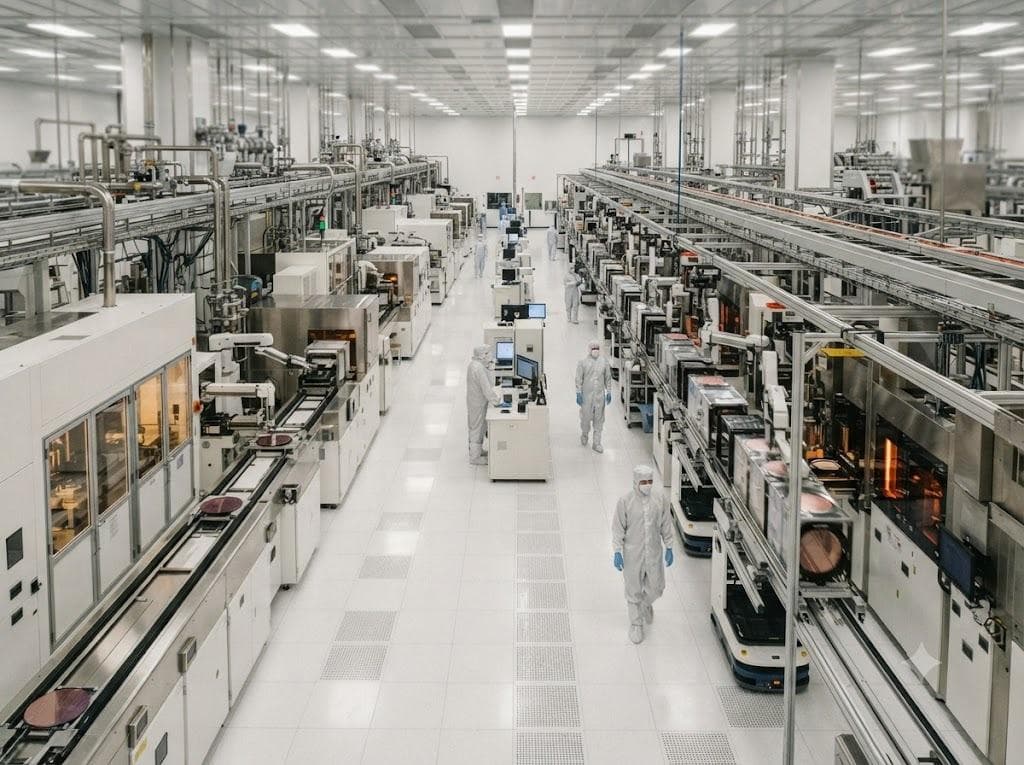
Image: iXBT
TSMC says customer demand for its 2nm N2 process is far stronger than the company saw during the shift to 3nm. According to the chipmaker, the number of prepared projects for N2 is 4 times higher than for its previous flagship 3nm process at the same point in development.
The comparison refers to the stage where a finished chip design is handed to the manufacturer to produce test samples ahead of mass production. TSMC links the surge in interest to its move to GAAFET (Gate-All-Around) transistors, replacing the FinFET technology used before.
TSMC says N2 can deliver:
- up to 15% higher performance at the same power as N3E
- or up to 30% lower power use at the same performance level
- about 15% higher transistor density
Mass production of N2 began in Q4 2025, but for now the new process accounts for only about 3% of TSMC’s quarterly revenue. The company still makes most of its money from more mature nodes, with 5nm contributing roughly 33% of revenue and 3nm about 30%.
Customers tied to N2 reportedly include AMD, which plans to use the process for EPYC Venice server processors, and Apple, which is expected to build the A20 Pro for the iPhone 18 Pro lineup on it.
Recommended reading
PsiQuantum bets on light for a 100-cabinet quantum computer
TSMC is already lining up follow-on versions of the platform. N2P is due later in 2026, N2X in 2027, and N2U in 2028 — extending the life of the company’s 2nm technology across future chip generations.

Computing Editor
Tomas lives in the terminal. He covers chips, laptops, and operating systems with a focus on performance and efficiency. He reads kernel changelogs the way other people read fiction, and he's always on the hunt for the perfect mechanical keyboard switch. If it processes data, Tomas has an opinion on it.
via iXBT