• 2 min read
US Battery Graphite Push Gains an Ohio Permit
Graphite One cleared an Ohio regulatory step for a battery anode plant tied to its Alaska mine plan, with first synthetic output targeted for Q4 2027.
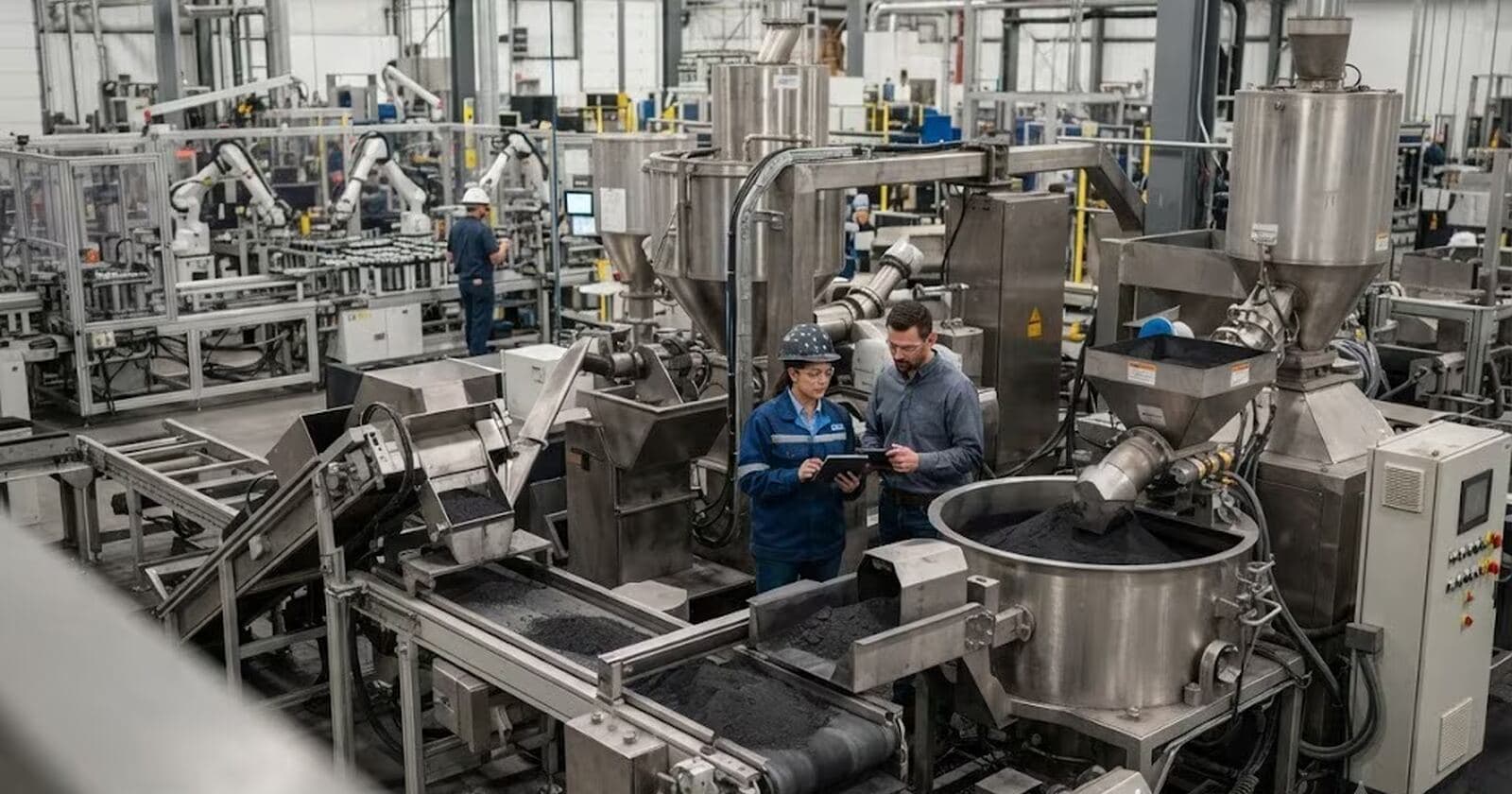
Image: ITzine
Graphite One has cleared an early regulatory hurdle in Ohio for a plant that would make anode active materials (AAM) for electric-vehicle batteries, marking another step in the US effort to build a domestic battery supply chain.
The company received approval from Ohio’s regulator to move into a detailed review of the facility. If the project reaches production, it would start at 10,000 tons per year and later expand to 25,000 tons. Graphite One is targeting its first output of synthetic AAM in the fourth quarter of 2027.
This is not a final permit. At this stage, the Ohio EPA is determining whether the project includes enough data to proceed to a full permitting process.
Graphite One Ohio plant and Alaska supply plan
Graphite One’s broader pitch is to connect graphite mining in Alaska with finished anode material production in Ohio. The Ohio plant is linked to the company’s Graphite Creek project in Alaska, which is expected to supply natural graphite for later processing.
Recommended reading
AliExpress faces record $629 million EU fine
The company aims to start mining there in 2029, assuming permits, financing, and other regulatory requirements line up.
That matters because the US is still heavily dependent on imports for much of the graphite processing chain. According to the International Energy Agency, China dominates graphite processing and battery anode production. That has given US graphite projects industrial value as well as political weight, as Washington has spent years pushing to reduce reliance on a single foreign supplier for key battery materials.
Other companies are pursuing similar plans. Westwater Resources is building a graphite complex in Alabama, while Syrah Resources is advancing its Vidalia project in Louisiana. Some US anode-material capacity is also being backed by federal incentives.
Battery anode material capacity targets
AAM is a core component of a battery cell, not the battery pack or casing. It is used to make the graphite anode that stores and releases lithium ions during charging and discharging.
Graphite One plans to begin with about 10,000 tons of synthetic AAM annually before scaling to 25,000 tons. At the same time, the company is continuing engineering work, equipment procurement, fundraising, and talks with future customers.
The Graphite Creek project has already received high-priority infrastructure status under the FAST-41 program and support from the US Department of Defense. If the Ohio plant begins production in 2027 and Alaska mining starts in 2029, Graphite One could end up with one of the few US chains spanning raw material through finished anode material. If either stage slips, the project will remain dependent on imports.

Enterprise Editor
Marcus follows the money. He covers enterprise software, cloud architecture, and the tectonic shifts in Big Tech strategy. He translates dense earnings calls and complex M&A activity into actionable insights about where the industry is actually heading. If a tech giant makes a silent pivot, Marcus is usually the first to notice.
via ITzine