• 3 min read
Valve’s Steam Machine charms, then stumbles on price
PCWorld says Valve’s new Steam Machine is polished and quiet, but hard to justify at $1,050 with PS5-like performance.
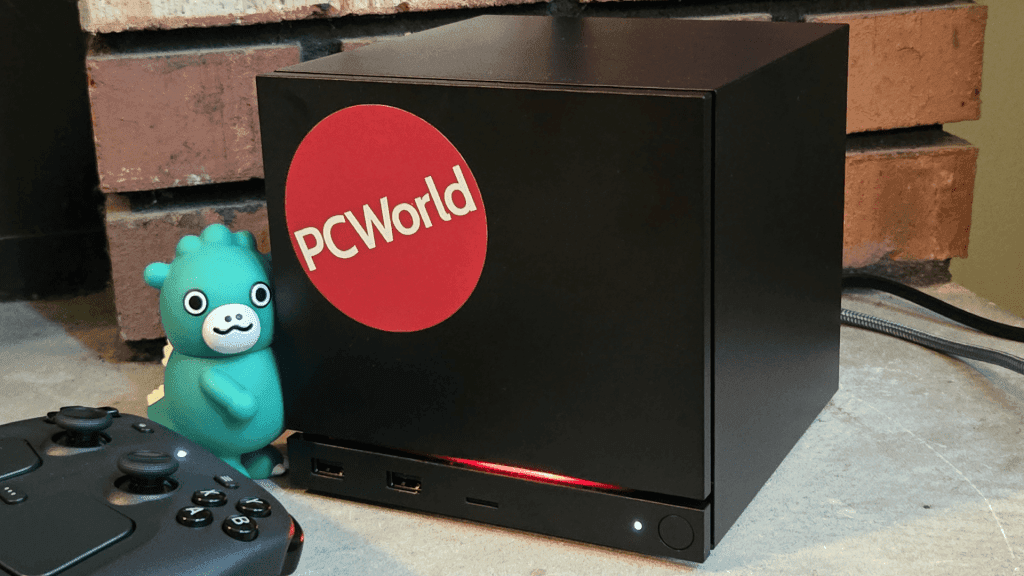
Image: PCWorld
Valve’s new Steam Machine made a strong first impression on PCWorld: it’s tiny, polished, and almost silent. But after the honeymoon period, the biggest problem remained the same one hanging over the device since launch — at $1,050, it is difficult to justify as either a living-room console replacement or an affordable gaming PC.
PCWorld’s Michael Crider describes the hardware as a 6-inch cube with swappable faceplates and an LED light bar, small enough to fit neatly into either a desk setup or an entertainment center. Setup was similarly straightforward: plug in power and HDMI, connect a controller, join Wi-Fi, log into Steam, and start downloading games. Crider said the process felt a lot like setting up a PS5, and praised the machine for being “mouse-fart quiet” even under load.
Gaming performance at 4K and 1080p
On lighter games, the machine held up well. Absolum ran at 4K without trouble, and Hades II and other less demanding 3D titles were also smooth.
Recommended reading
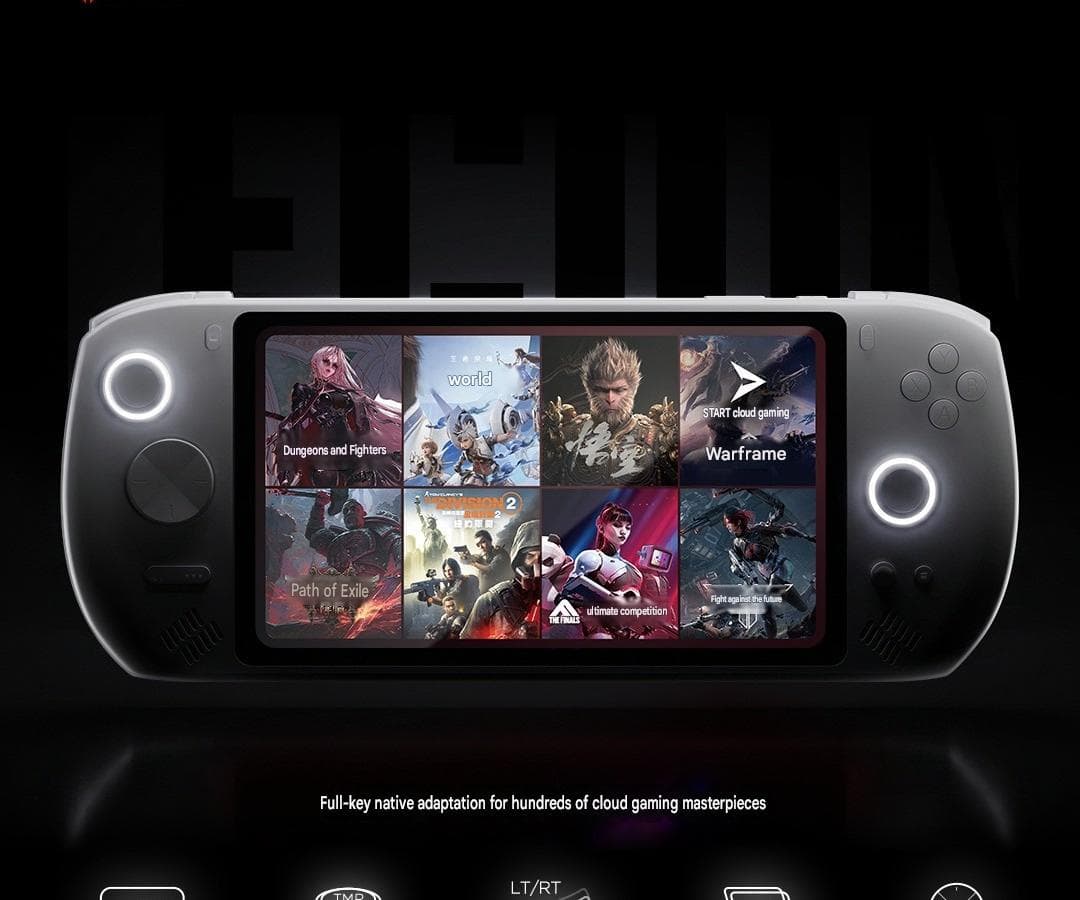
Lenovo teases Legion C700 cloud gaming handheld
Horizon: Zero Dawn performed better than expected. At 4K with visuals set to high and AMD FSR enabled, the Steam Machine reached 59 FPS in the benchmark and stayed around 50–60 FPS in regular play.
But newer, heavier games exposed the limits quickly. Dead as Disco dropped into the 30–45 FPS range at 4K, forcing a move down to 1080p for a better balance.
With Space Marine 2, 4K was effectively off the table. Crider said the game fell to around 15–20 FPS at that resolution, and even after tweaking settings only climbed to about 30 FPS. Again, 1080p was the practical choice.
PCWorld’s conclusion: performance lands at roughly PS5 level, but the Steam Machine costs “a little less than double” the base price of Sony’s console.
SteamOS shines, but the value doesn’t
Crider’s bigger praise is reserved for SteamOS, which he argues may be the future of PC gaming. The interface is smooth, controller-friendly, and far more mature than Valve’s earlier attempts to bring PC gaming into the living room. Still, there are rough edges.
One example was surround sound over HDMI, which did not behave properly out of the box.
Streaming from a more powerful desktop PC also proved messy. Space Marine 2 reportedly still suffers from a 2-year-old bug that breaks remote gamepad input over Steam streaming, and even other games required careful settings workarounds.
The harshest verdict is on value. Crider argues that if someone is starting from scratch and simply wants to play games, a PlayStation 5 or Switch 2 is the better buy. He also notes that a standard Windows PC can be had for the same price or less, without giving up general-purpose computing.
Even so, he sees real momentum behind SteamOS itself. Valve now offers official SteamOS builds for home-built PCs, and PCWorld points to early SteamOS hardware from Lenovo and hints of more to come. If the Steam Machine is disappointing, the software underneath it may still be the part that lasts.

Culture Editor
Maya explores gaming, streaming, and the internet as a place where people actually live. From deep-dives into creator economies to the anthropology of digital communities, she tracks platform drama and cultural shifts so you don't have to. She believes the best tech stories are fundamentally about human behavior.
via PCWorld