• 2 min read
Xona plans 258 LEO satellites for GPS-like service
Xona Space Systems says its Pulsar network could deliver centimeter-level positioning and 10-nanosecond timing with 258 low-orbit satellites.

Image: iXBT
Xona Space Systems is building a satellite navigation network called Pulsar as an alternative to GPS, using low Earth orbit (LEO) instead of the higher orbits used by existing global navigation systems. The company says that approach will produce a signal 100 times stronger and improve positioning accuracy.
The first 6 production Pulsar satellites are due to head to orbit in October, with the first commercial services targeted for 2027. Xona says the full constellation will include 258 satellites and, once deployed, should be able to determine coordinates with accuracy down to a few centimeters anywhere on Earth.
A stronger signal could help Pulsar work in places where GPS struggles, including dense urban areas, under heavy vegetation, and inside buildings. Xona also says the system should be more resistant to jamming and spoofing.
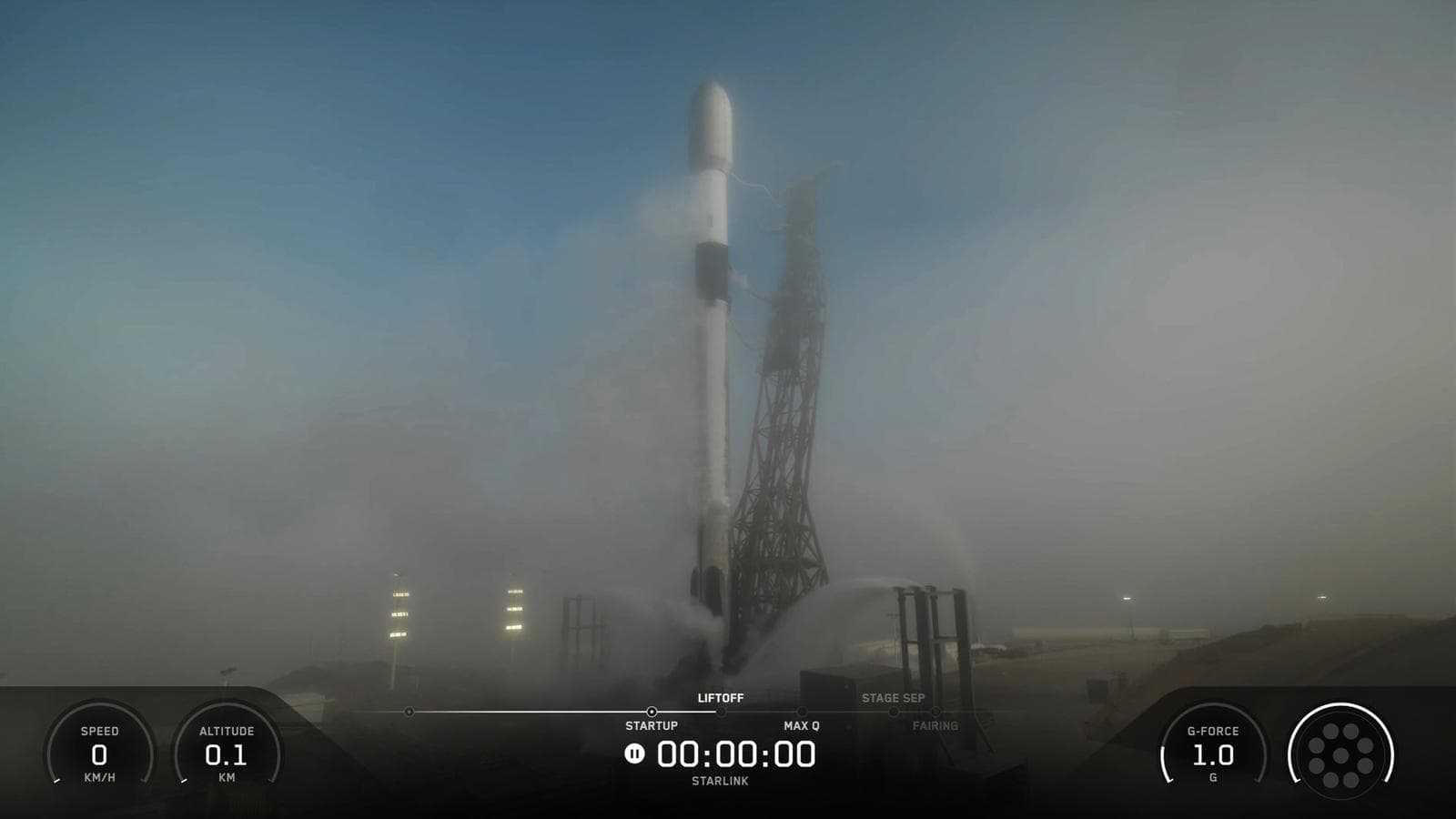
The company’s first satellite, Pulsar-0, was launched in July 2025 on a SpaceX Falcon 9 and has already been used in anti-jamming tests in several countries. According to Xona, the stronger signal reduced the jammer’s impact zone by 95%.
Beyond navigation, Pulsar is meant to provide high-precision time synchronization for financial markets, telecommunications, data centers, and transport systems. Xona says it is aiming for timing accuracy of up to 10 nanoseconds, using software methods instead of the expensive atomic clocks carried on GPS satellites.
Recommended reading
Falcon 9 launch aborted after engines ignited
Building a navigation system in LEO requires far more spacecraft than traditional constellations in medium Earth orbit. Xona says falling satellite manufacturing and launch costs now make that model practical. The company plans to produce most of the satellites itself at a factory in California and is also developing its own satellite platform.
Xona is also working on compatibility with existing infrastructure. The company says many GPS and other navigation receivers should be able to pick up the Pulsar signal after a software update, without needing hardware replacement, and it has already launched a compatibility verification program with navigation equipment makers.

Frontier Editor
Dan is our resident futurist, covering electric mobility, space exploration, and the smart home. He's interested in atoms just as much as bits. Whether it's a new battery chemistry, a reusable rocket, or a protocol that finally makes IoT devices talk to each other, Dan breaks down the engineering that pushes humanity forward.
via iXBT