• 3 min read
Xpeng L03 puts in-house AI chips in every trim
Xpeng has launched the L03 in 65 markets, making it the first Chinese mass-market EV with proprietary driving chips standard across the lineup.
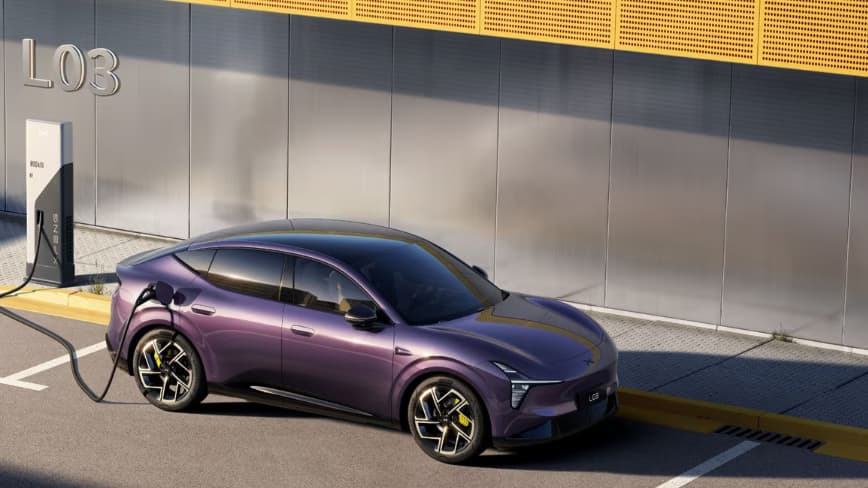
Image: TNW
Xpeng has unveiled the L03 in Munich, launching the electric coupe-SUV across 65 markets in its most aggressive international rollout yet. The standout detail is under the hood: every version ships with the company’s own Turing AI chips, making it the first consumer vehicle from a Chinese automaker to include in-house autonomous driving silicon as standard across the full range.
The top Ultra trim carries three chips delivering a combined 2,250 trillion operations per second. Those processors run Xpeng’s second-generation VLA driving system, a vision-language-action model that the company describes as a physical-world foundation model for reading road conditions and selecting driving responses. Xpeng says the feature remains driver assistance, not full autonomy, and plans to roll it out progressively in Europe starting in 2027.
The L03 also becomes the first vehicle from an Asia-Pacific automaker to ship with Google’s Maps Auto SDK built directly into the infotainment system, removing the need for phone mirroring or a separate navigation app.
Recommended reading
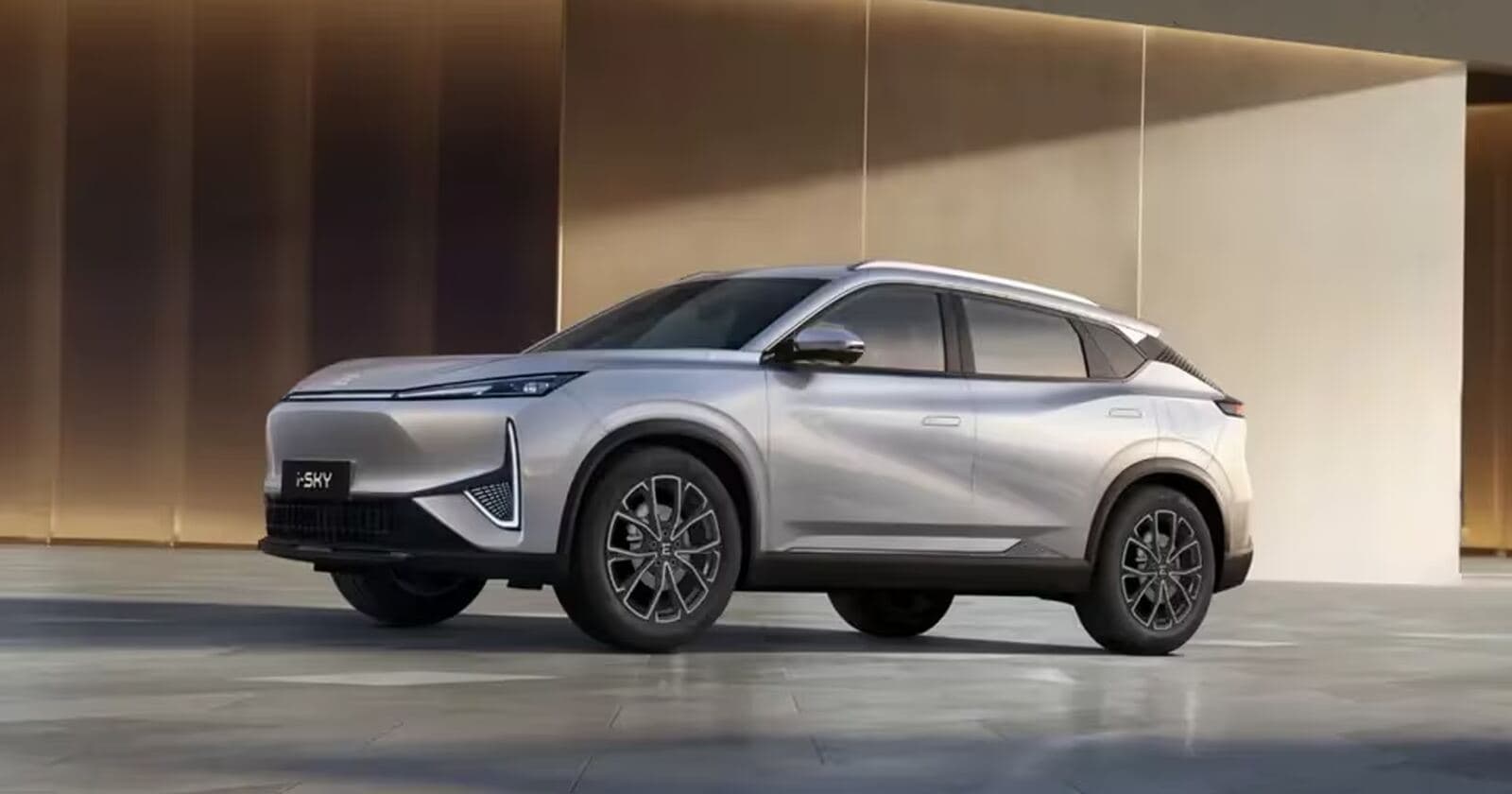
Evolute i-Sky slips to fall 2026 launch
The car was designed by a team led by JuanMa Lopez, previously Ferrari’s head of exterior design, whose past work includes the LaFerrari and SF90 Stradale. Xpeng says the sloping roofline, frameless doors, and one of the lowest drag coefficients in the crossover segment are intended to give the car a sports-car silhouette rather than a typical family SUV profile.
Pricing and range
Xpeng is offering the L03 as:
- a battery-electric vehicle with up to 625 kilometres of range on China’s CLTC cycle
- a Power X range-extender with a claimed 1,330 kilometres
In China, pricing starts at roughly $21,000. In Europe, the L03 starts at €34,990 in France and Belgium, and €35,600 in Germany. Xpeng says charging from 10 to 80 percent takes roughly 19 minutes. WLTP range figures for Europe have not yet been published.
Why the L03 matters to Xpeng
The broader significance is Xpeng’s push for vertical integration. The company is among a small group of Chinese automakers building their own autonomous driving chips instead of relying on suppliers such as Nvidia or Horizon Robotics — and it is now bringing that silicon into a mass-market car.
That strategy is already reaching beyond Xpeng’s own lineup. Volkswagen, which owns roughly a five percent stake in Xpeng, has adopted the Turing chip and VLA system for its own vehicles, becoming the first major Western automaker to license Chinese autonomous driving technology at that level.
The L03 arrives as Xpeng expands into robotaxis, humanoid robots, and flying cars, all built on the same Turing chip and VLA software stack now entering production at its Guangzhou facility. The hardware is ready; whether buyers in Europe and elsewhere will trust an unfamiliar Chinese brand with that much onboard computing remains the open question.

Frontier Editor
Dan is our resident futurist, covering electric mobility, space exploration, and the smart home. He's interested in atoms just as much as bits. Whether it's a new battery chemistry, a reusable rocket, or a protocol that finally makes IoT devices talk to each other, Dan breaks down the engineering that pushes humanity forward.
via TNW