• 3 min read
Yale’s artificial leaf turns sunlight and water into methanol
Yale University researchers say they have built an “artificial leaf” that uses sunlight, water, and carbon dioxide to make methanol, a liquid fuel that is easier to store and transport than electricity. The prototype doe
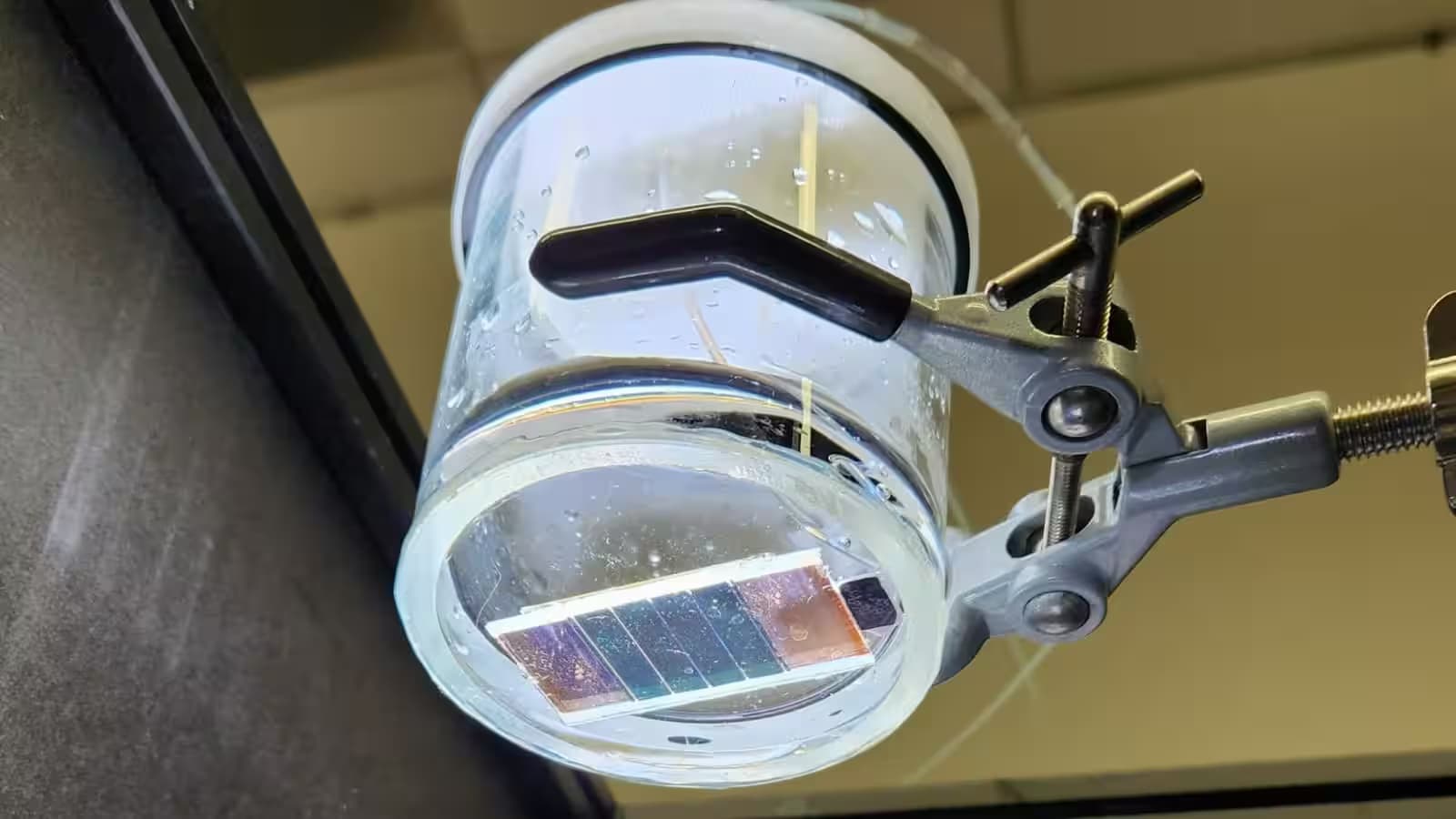
Image: ixbt.com
Yale University researchers say they have built an “artificial leaf” that uses sunlight, water, and carbon dioxide to make methanol, a liquid fuel that is easier to store and transport than electricity. The prototype does not need a grid connection or outside power, and it points to a future where captured CO2 is turned into something useful instead of just being dumped into the sky.
The pitch is simple: solar panels make electrons, this device makes fuel. That difference matters because methanol can be stored for months, moved through existing fuel infrastructure, and used in places where batteries are awkward, expensive, or just plain inconvenient. It also has a role in shipping and some power systems, which is exactly why researchers keep circling back to it.
How Yale’s artificial leaf makes methanol
The system combines a special catalyst with a silicon photoelectrode that absorbs sunlight and drives the chemistry. The catalyst helps convert carbon dioxide into methanol, a more demanding reaction than the simpler CO2-to-carbon-monoxide steps that many earlier setups managed.

Recommended reading
Hassabis says STEM makes you 10x better at AI
That silicon electrode is not just a shiny slab doing PR for the lab. Its surface uses microscopic structures to catch more sunlight, which boosts performance and helps the whole setup run more efficiently. In other words, the design is doing real engineering work, not just waving at the sun.
Five years to build an autonomous system
According to the researchers, getting to a fully autonomous device took about five years. That timeline is a reminder that turning elegant lab chemistry into something practical is usually the hard part; the first version rarely survives the trip from conference slide to factory floor.
There is still a long road to industrial use. The team says durability needs to improve and manufacturing costs have to come down before anyone starts daydreaming about mass deployment. Still, the broader pressure is obvious: industries from shipping to heavy manufacturing need low-carbon fuels, and direct solar-to-fuel systems could compete with green hydrogen and synthetic fuels if they get cheap enough.
Carbon capture could become carbon fuel
The most interesting part may be what happens outside the lab. If the technology scales, it could be used to process emissions from power plants and industrial sites, converting waste CO2 into a usable liquid fuel rather than treating it as a dead end. That’s a cleaner story for emitters, but also a useful one for anyone trying to store renewable energy in a form trucks, ships, and tanks already understand.
The catch, as always, is that chemistry does not care about optimism. Yale’s prototype is a promising proof of concept, but the next test is whether it can stay efficient, durable, and affordable long enough to matter outside a university press release.

AI Editor
Ava covers the rapidly evolving world of artificial intelligence, from foundational models and research labs to the real-world economics of intelligence. With a background in computational linguistics, she cuts through the hype to find out what actually works. She firmly believes that benchmarks are just marketing until reproduced in the wild.
via ixbt.com