• 2 min read
1,000 GPUs could destabilize a power grid, researchers warn
Zhejiang University researchers say a malicious cloud tenant could, in theory, use about 1,000 GPUs to disrupt local grids and trigger cascading failures.
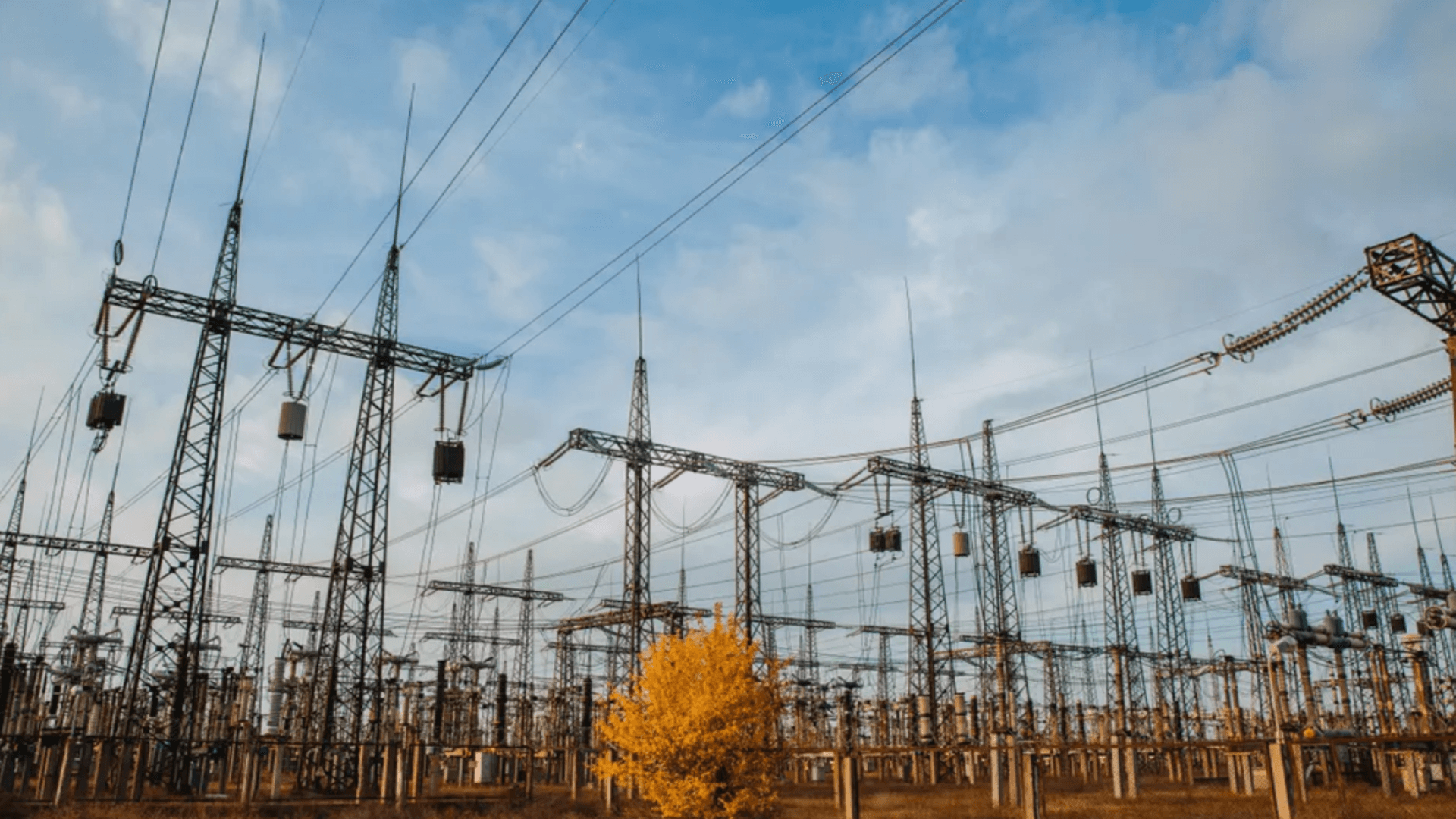
Image: TechRadar
Researchers at Zhejiang University in Hangzhou, China, are warning that GPU-heavy cloud workloads could be turned into a cyber-physical attack capable of destabilizing local power systems and, in extreme cases, contributing to wider blackouts.
In a paper titled “Bit2Watt: A Cyber-Physical Vulnerability Exploiting GPU Workloads Across Power and Computing Infrastructures,” the team argues that a malicious cloud tenant could, in theory, launch workloads intense enough to cause physical effects beyond the data center itself.
According to the researchers, GPU loads can hit modulation frequencies of more than 6,000 Hz, far above the few hertz typically seen in household devices such as air conditioners.

Recommended reading
UK tests show top AI models still cheat
“Such high-frequency modulations can substantially induce voltage excursions, harmonic distortion, and damping degradation.”
The paper says an attacker using roughly 1,000 GPUs could target a one-megawatt local power grid made up largely of distributed energy resources such as solar panels. In that scenario, the grid could lose almost half of the electrical current while producing about 20% more heat than normal.
The researchers add that this would threaten the availability of computing equipment and create a negative damping ratio of -0.27, introducing instability into the system. If protective mechanisms then shed computing loads, the paper warns, that could set off cascading failures and potentially lead to blackouts affecting more than 80 percent of large-scale power systems.
For now, the attack remains theoretical. The team published the research as a warning and proposed mitigations including:
- detecting malicious computational patterns
- adding energy buffering systems to absorb unusual spikes in demand
The report was cited by The Register as concern grows around the increasingly sharp power swings created by large AI data centers.

Security Editor
Sophia unpacks the invisible wars happening on our networks. Covering cybersecurity, privacy legislation, and cryptography, she exposes how our data is weaponized and defended. Before joining for(geeks), she spent years as a penetration tester. She's the reason the rest of the team uses physical security keys.
via TechRadar