• 2 min read
AI Space Data Centers Hit a Starship Wall
Elon Musk and Sam Altman are sparring over orbital AI data centers, but the real constraint is launch costs, satellite production, and Starship’s timeline.
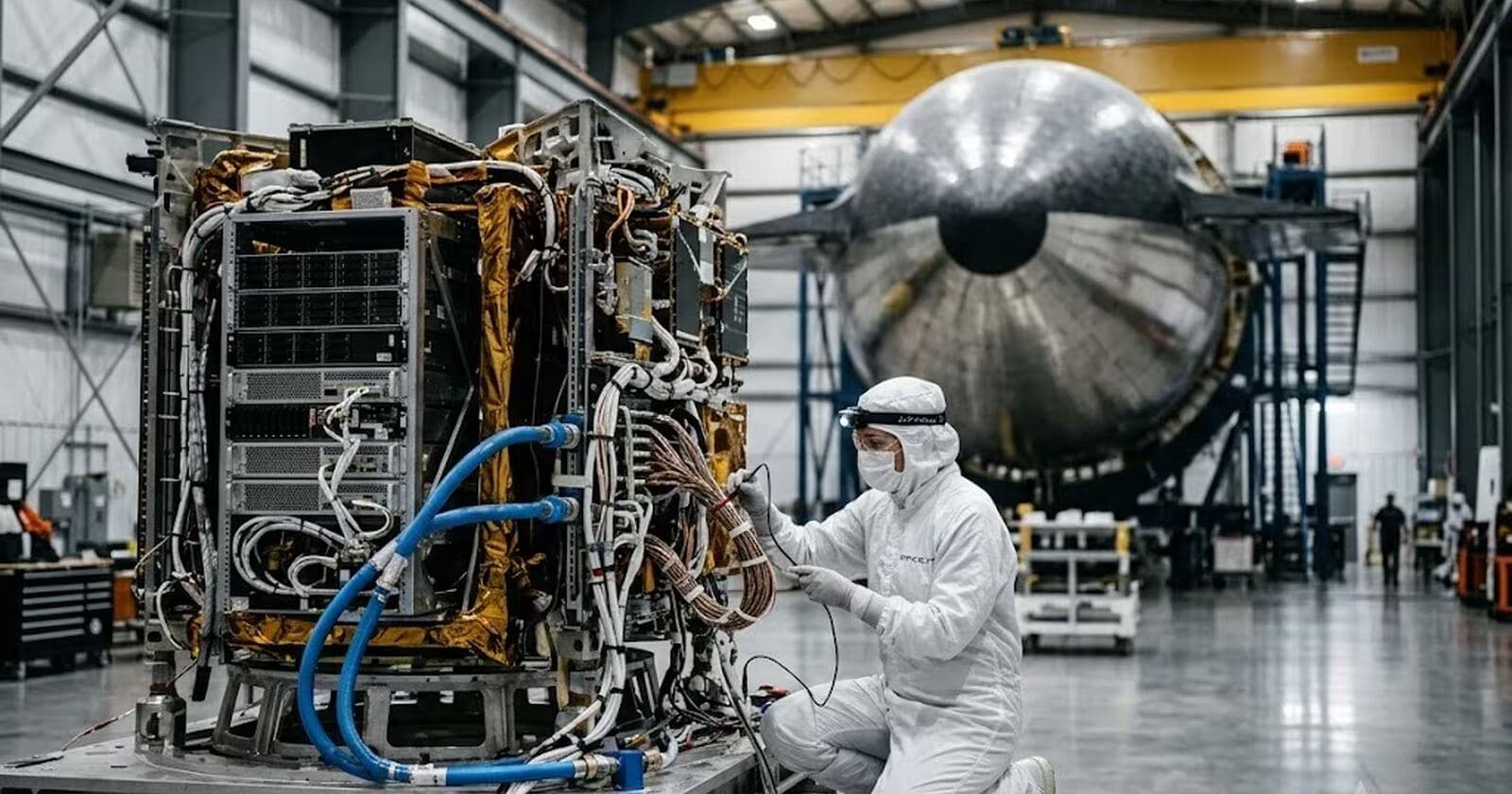
Image: ITzine
Elon Musk and Sam Altman have traded public jabs over space-based data centers for AI, but the argument points to a much more grounded problem: orbital computing depends on launch costs, satellite manufacturing speed, and when Starship can actually operate at the needed cadence.
The latest flare-up followed a comment from Musk, after which the OpenAI CEO said promises about space data centers for public-market investors sounded too near-term. The idea under discussion is SpaceX’s plan to move computing capacity into orbit for AI workloads, including processing model requests.
The appeal is obvious. On Earth, data centers are already running into limits around power, cooling, and available land, while demand for AI compute is rising faster than new infrastructure can be built. Space offers a theoretical pressure valve: shift part of that load beyond terrestrial constraints without competing for scarce land or grid connections.
But the economics are still the problem. Orbital computing needs:
Recommended reading
Russia’s Falcon 9 rival slips to a demonstrator phase
- cheap launches
- mass production of satellites
- a workable servicing model in orbit
Without that, every kilogram sent to space remains too expensive for anything resembling a large-scale cloud platform.
Why Starship is the bottleneck
SpaceX’s case for compute satellites is tightly tied to Starship. The basic logic is that a fully reusable rocket could sharply cut the cost of getting hardware into orbit. Without that drop, space-based data centers become too expensive even for a market already used to high infrastructure bills.
The catch is that reusability does not arrive after a single successful test flight. Even if SpaceX soon manages to recover both stages again, that would not mean Starship is ready to fly like a routine cargo vehicle. Industry estimates cited by the source suggest it could still take several years before regular commercial operations begin.
There is also a harsher scenario. SpaceX had previously told investors that Starship might for a time operate without full reusability, losing the second stage after each launch. That is a drawback for ordinary satellites. For orbital computing infrastructure, it is close to fatal, because repeatable low-cost launches are what make the business case work at all.
When orbital computing could actually happen
According to the source, individual satellites with compute modules could appear within the next few years. That is far more realistic than full orbital data centers: limited experiments and narrow use cases, not a giant network.
For large-scale deployment, the market needs a very different level of space economics. Until then, space remains too expensive a venue for a mass-market cloud. Based on assessments from market participants, the most likely window for these systems is the 2030s.

Frontier Editor
Dan is our resident futurist, covering electric mobility, space exploration, and the smart home. He's interested in atoms just as much as bits. Whether it's a new battery chemistry, a reusable rocket, or a protocol that finally makes IoT devices talk to each other, Dan breaks down the engineering that pushes humanity forward.
via ITzine