• 2 min read
CachyOS gets Linux 7.0 early with 7.1 performance tweaks
CachyOS has moved quickly on Linux 7.0, and it did not stop at the official release line. The Arch-based distro is already shipping the new kernel with a couple of extra performance-oriented changes pulled in from 7.1, w
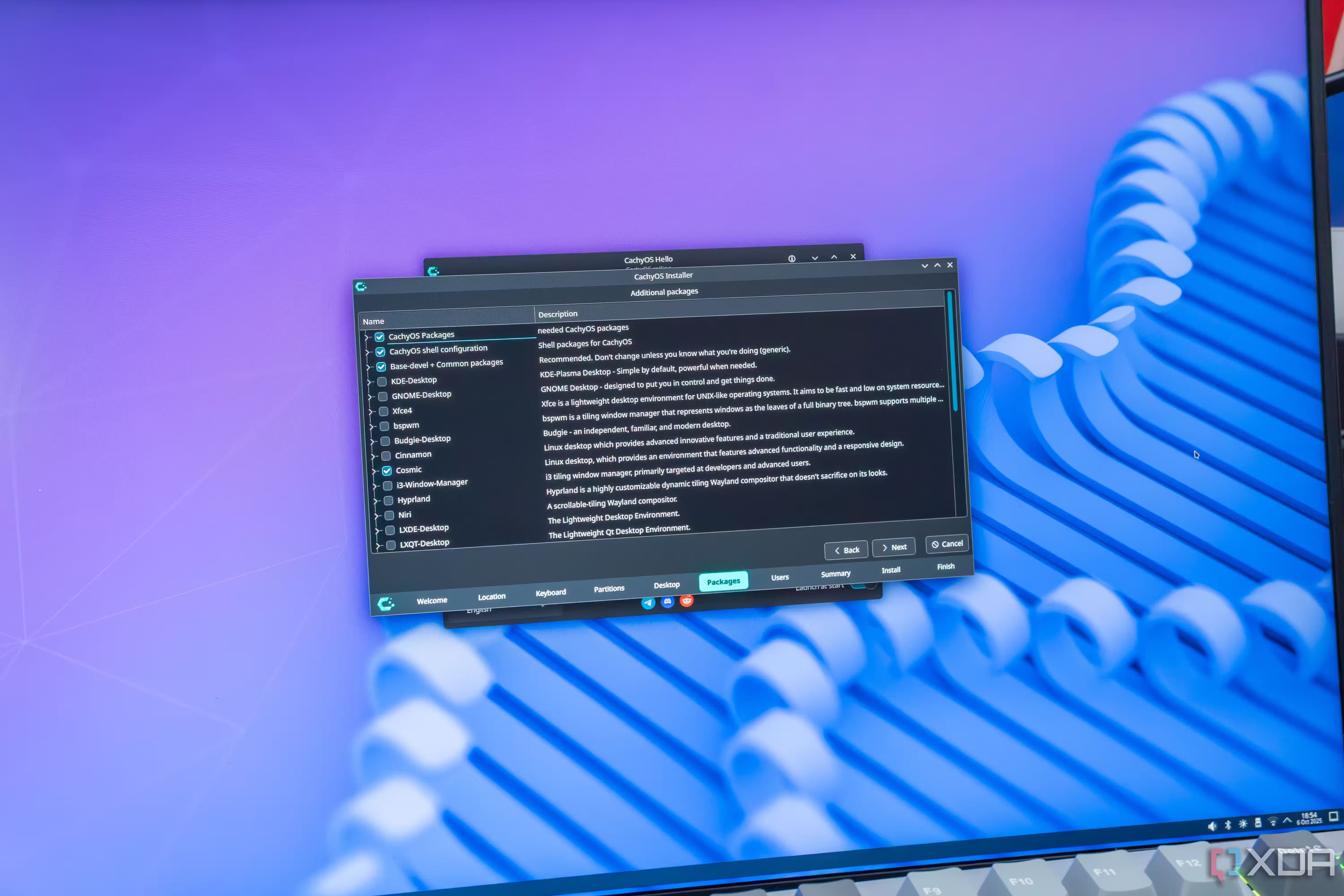
Image: xda-developers.com
CachyOS has moved quickly on Linux 7.0, and it did not stop at the official release line. The Arch-based distro is already shipping the new kernel with a couple of extra performance-oriented changes pulled in from 7.1, which is exactly the sort of overachieving behavior CachyOS fans sign up for.
The headline change is less dramatic than the version number suggests. Linux 7.0 itself arrived after a round of extra bug fixes, and the version bump is mostly Linus Torvalds' way of resetting the counter after Linux 6.19. CachyOS is using that fresh baseline to push a bit further, especially for users who care about frame rates, snappier desktops, and fewer annoying compatibility detours.
Intel FRED and the new NTFS driver
Two changes stand out in CachyOS’s take on the kernel. First, Intel Core Ultra Series 3 systems will enable Intel FRED by default, which should improve performance. Second, CachyOS is bringing in the new NTFS driver, a practical upgrade for anyone juggling Windows and Linux on the same machine because it should make dual-boot storage handoffs less painful and speed up transfers between the two drives.
That combination tells you where CachyOS is placing its bets. Some distros chase stability first and performance second; CachyOS keeps pushing performance to the front, and the payoff is obvious for gamers, but also for anyone who wants everyday apps to feel less sluggish. Competing performance-focused distros have made similar moves over the years, but CachyOS has been unusually aggressive about shipping kernel gains early.

Recommended reading
OpenAI’s Codex Micro is a $230 coding macropad
CachyOS and the Linux 7.0 kernel update
If you have not run into CachyOS before, think of it as a distro built for people who want a little more out of the hardware they already own. It is popular with gamers for the obvious reason, but the same tuning can help with ordinary tasks too, from opening apps faster to reducing background drag. That is the quiet pitch here: not spectacle, just fewer wasted cycles.
The timing also matters. Shipping a kernel this quickly gives CachyOS a reputation for staying ahead of the pack, which is handy in a Linux world where many users still wait for downstream distros to catch up. If the 7.1 extras continue to land cleanly, expect other performance-leaning distributions to borrow the same playbook, if not the same exact defaults.
What users should watch for next
For now, the interesting question is whether those early 7.1 tweaks become a pattern rather than a one-off. If they do, CachyOS will keep separating itself from the more cautious crowd by acting less like a follower of kernel release cadence and more like a sampler of whatever is ready to ship first.

Computing Editor
Tomas lives in the terminal. He covers chips, laptops, and operating systems with a focus on performance and efficiency. He reads kernel changelogs the way other people read fiction, and he's always on the hunt for the perfect mechanical keyboard switch. If it processes data, Tomas has an opinion on it.