• 2 min read
Cargo Dragon’s sixth ISS trip ends with Pacific splashdown
SpaceX is preparing to send another veteran Cargo Dragon home: the CRS-34 spacecraft, after 30 days attached to the International Space Station, is scheduled to undock on Tuesday, 16 June, at 19:05 Moscow time and head f
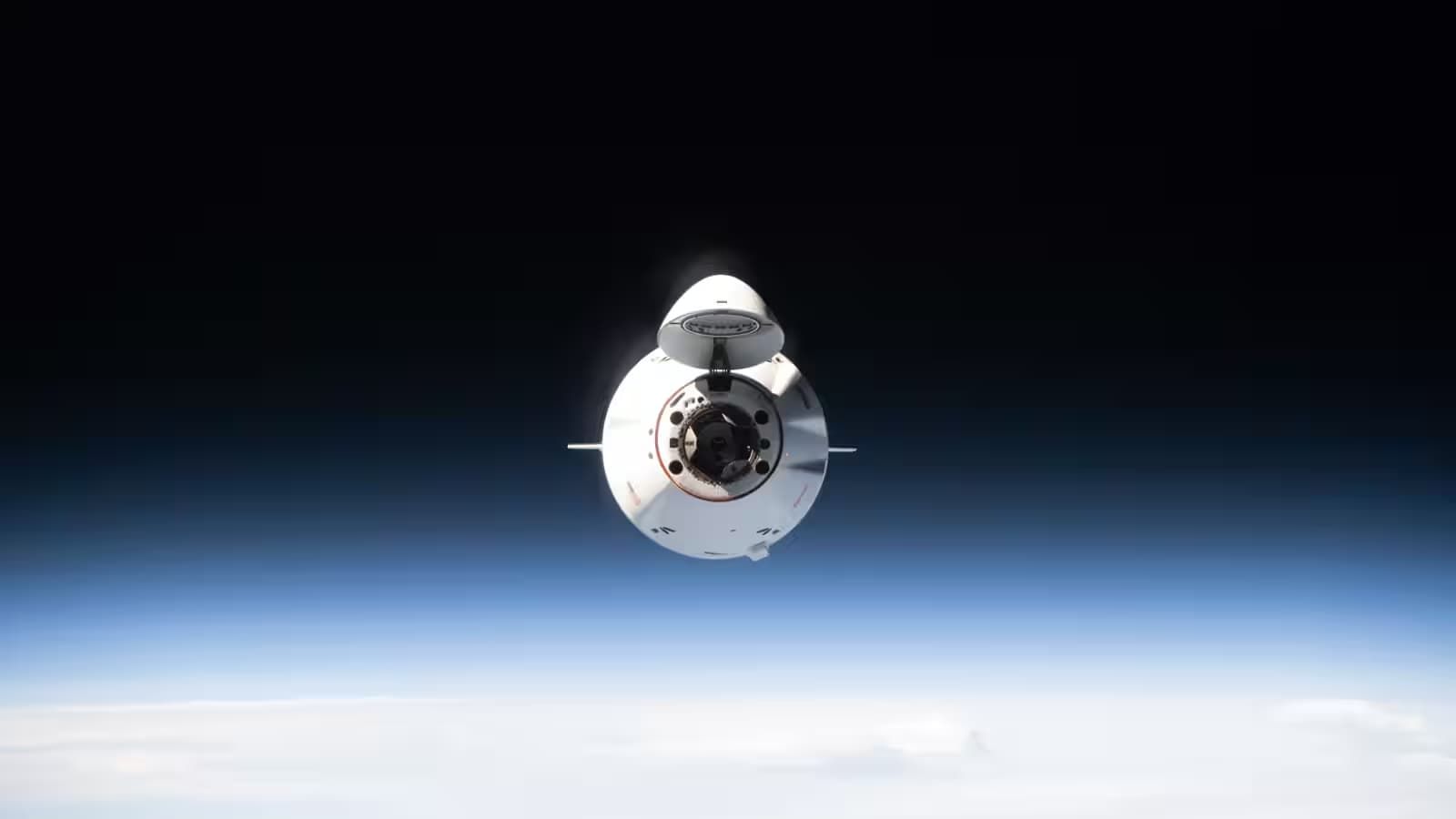
Image: ixbt.com
SpaceX is preparing to send another veteran Cargo Dragon home: the CRS-34 spacecraft, after 30 days attached to the International Space Station, is scheduled to undock on Tuesday, 16 June, at 19:05 Moscow time and head for a splashdown off the coast of California on Wednesday, 17 June. This is the capsule’s sixth flight, a reminder that SpaceX’s cargo vehicle is being reused in a way Russia’s Progress freighters are not.
The Cargo Dragon mission itself is also a useful snapshot of where commercial station logistics have landed: routine, reusable, and a little bit boring – which is exactly what operators want from a supply run. Falcon 9 lofted Dragon to orbit on Friday, 15 May 2026, from Space Launch Complex 40 at Cape Canaveral, and the capsule has been doing the unglamorous work of orbital deliveries ever since.
CRS-34 flight profile
CRS-34 is not Dragon’s first dance with the station. The spacecraft has previously flown CRS-22, CRS-24, CRS-27, CRS-30, and CRS-32 to and from the orbital lab, giving SpaceX a reused vehicle with a long enough resume to make “new” almost feel like a typo.
- Undocking: Tuesday, 16 June at 19:05 Moscow time
- Return: Wednesday, 17 June
- Splashdown area: off the coast of California
- Mission: 34th commercial resupply flight
Why Cargo Dragon reuse matters
Reusability is the quiet advantage in cargo spaceflight. Each recovered Dragon is another proof point that commercial capsules can survive repeated trips without turning every resupply run into a one-off engineering exercise, while the old-school alternative still ends with most hardware burning up on reentry.
Recommended reading
Starship test abort stops Flight 13 at the pad
That contrast has become one of the more telling splits in orbital logistics: SpaceX gets a refurbishable spacecraft back, while Progress vehicles are designed to die for the cause, with only non-combustible pieces reaching the ocean. Efficient? Yes. Glamorous? Hardly.
What happens after separation
Once Dragon leaves the station, the real work shifts to reentry, parachute deployment, and splashdown recovery. If all goes to plan, SpaceX gets yet another capsule back for inspection and, eventually, another flight – which is how you turn a spacecraft from a headline into infrastructure.
The Cargo Dragon cadence is exactly what a mature cargo system should be: scheduled, repeatable, and slightly unexciting in all the right ways.

Frontier Editor
Dan is our resident futurist, covering electric mobility, space exploration, and the smart home. He's interested in atoms just as much as bits. Whether it's a new battery chemistry, a reusable rocket, or a protocol that finally makes IoT devices talk to each other, Dan breaks down the engineering that pushes humanity forward.
via ixbt.com