• 2 min read
Cars Now Need Up to 100GB RAM and 1.5TB SSDs
Modern vehicle electronics are consuming memory at PC-like levels, with high-end systems already pushing past 100GB of DRAM and toward 1.5TB SSDs.
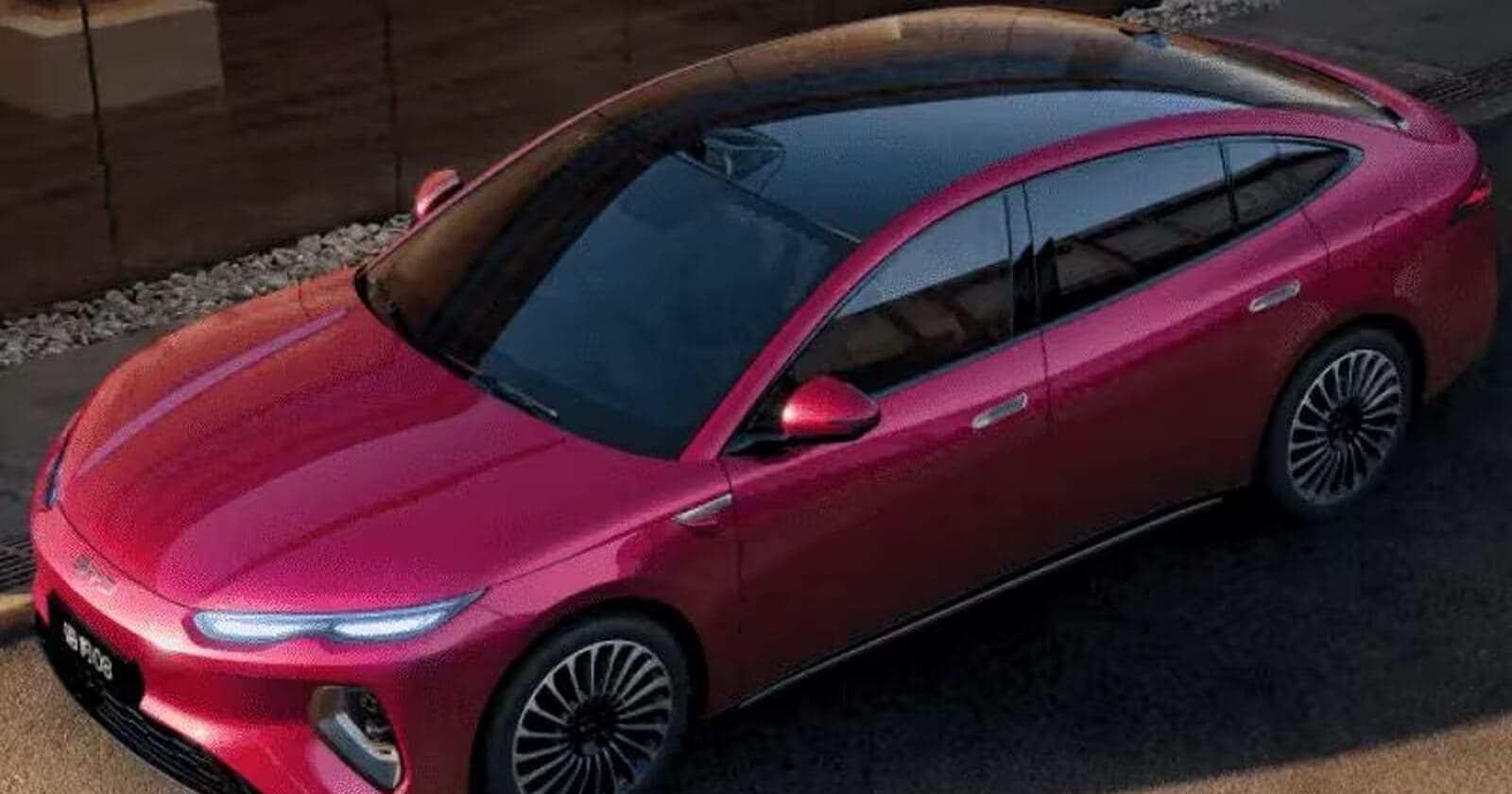
Image: ITzine
Cars have quietly become one of the most memory-hungry categories in electronics. The industry used to be constrained by shortages of basic chips; now autopilot systems, infotainment, and over-the-air updates are competing for the same resources.
According to TechNews, Tesla’s move from fourth-generation autopilot hardware to version 4+ doubles memory capacity from 32GB to 64GB. On Nvidia Orin, one of the most widely used platforms in automotive electronics, typical configurations also sit at 32GB or 64GB. But that is only part of the picture: in higher-end trims, onboard systems can already require more than 100GB of DRAM.
The demand for NAND storage is even more striking. A car may need only 10GB for temporary storage of software updates, but with extra headroom that climbs to 50GB. Add camera data and the images used by driver-assistance systems, and storage needs quickly reach 100GB to 300GB.
Against that backdrop, a typical 500GB automotive SSD looks less like long-term capacity and more like a starting point. The reason is straightforward: cars are no longer sold purely as transportation. In the premium segment and among electric vehicle makers, automakers are increasingly bundling:
- autopilot features
- voice assistants
- media services
- OTA updates
That is pushing vehicles closer to the profile of a computer with a steering wheel. As a result, the lower end for automotive platforms is now measured in tens of gigabytes, while the upper end is approaching 1.5TB SSDs. And as more AI features and additional cameras arrive, automakers will be competing for the same chips used in data centers, PCs, and smartphones.
Recommended reading
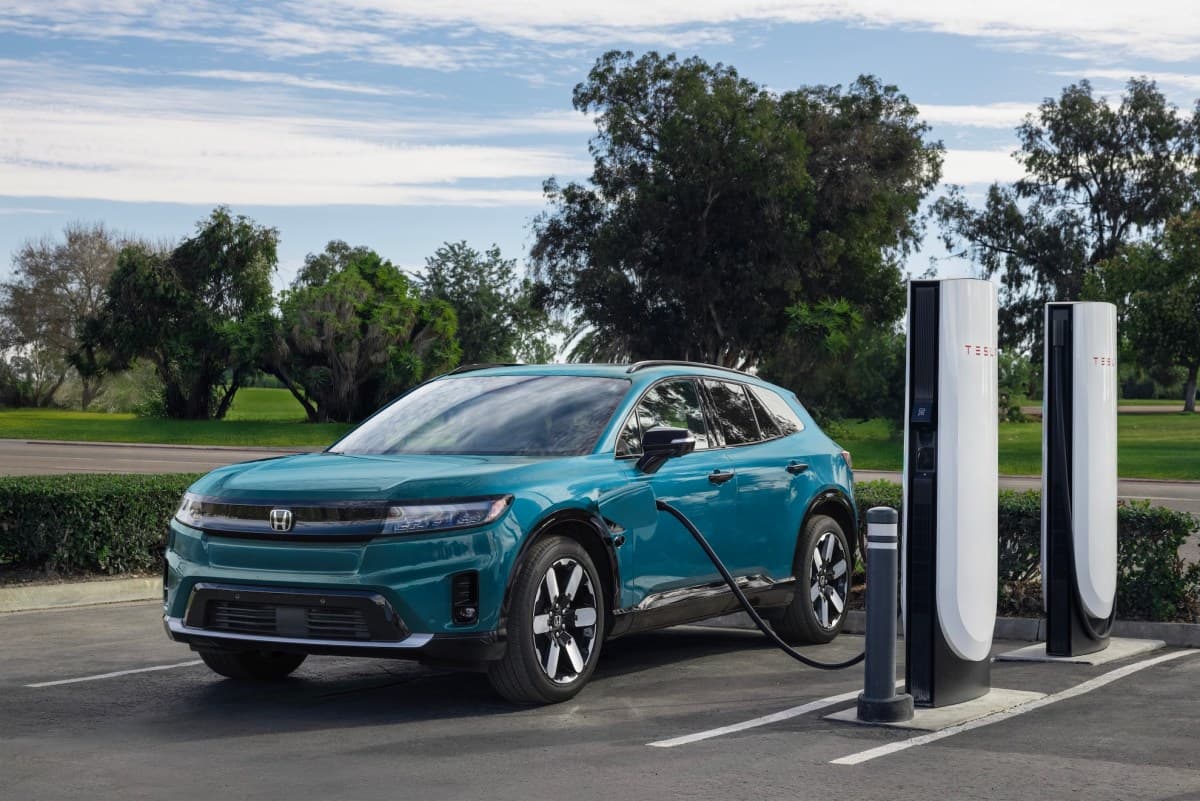
Honda’s Prologue joins a growing U.S. EV casualty list

Frontier Editor
Dan is our resident futurist, covering electric mobility, space exploration, and the smart home. He's interested in atoms just as much as bits. Whether it's a new battery chemistry, a reusable rocket, or a protocol that finally makes IoT devices talk to each other, Dan breaks down the engineering that pushes humanity forward.
via ITzine