• 2 min read
China’s electric taxis are now cheaper than gas cars
Rising fuel costs and cheaper EV operations are making electric taxi rides in China less expensive than owning and driving a gasoline car.
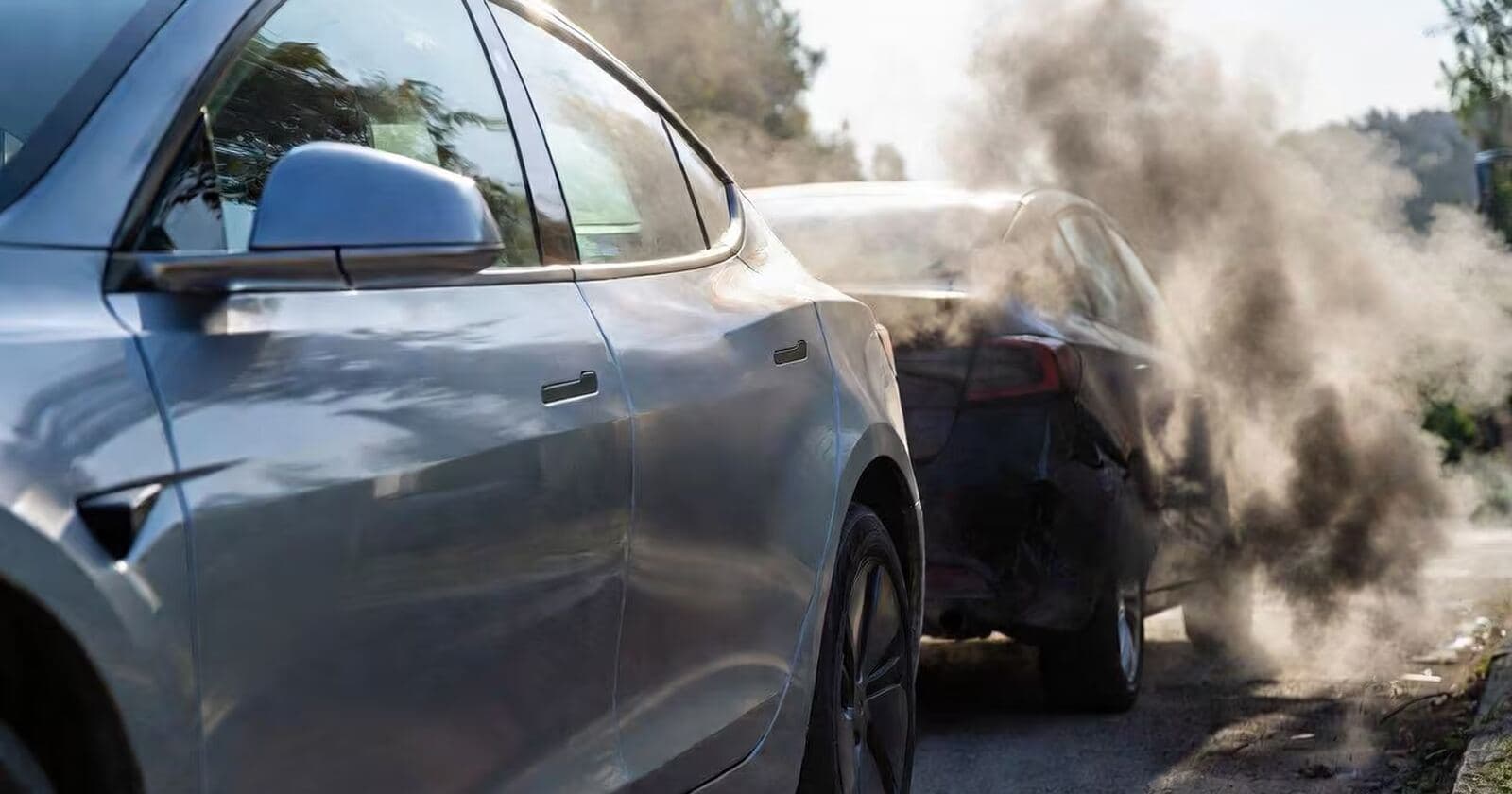
Image: ITzine
For some city residents in China, booking an electric taxi now costs less than owning and using a gasoline car, according to Reuters. That shift is helping taxi and ride-hailing services grow even as fares fall.
In May, people in China made 3.05 billion trips through taxis and car-ordering platforms. From March to May, the market grew 6% year over year, despite lower tariffs. The main reason is straightforward: there are more drivers, the economy is growing more slowly, and mass-market EVs have much lower fuel and maintenance costs. Lower operating expenses are feeding stronger competition, which is pushing prices down.
Electrification is already well established in the sector. About half of China’s 1.3 million taxis are electric, and in some major cities that share has nearly reached 100%. At Didi, the fleet of hybrids and electric vehicles grew by 2 million last year to 8 million vehicles. Those vehicles now account for about 75% of the platform’s mileage.
Recommended reading
Evolute i-Sky slips to fall 2026 launch
The trend is also showing up beyond ride-hailing. In May, China cut gasoline consumption by 10% and diesel consumption by 14% year over year, even as freight transport grew and the May holidays brought record mobility. For the world’s largest oil importer, that is not just an emissions story. It also offers a buffer against swings in global commodity prices.
According to the China Passenger Car Association, so-called new energy vehicles made up more than 45% of new-car retail sales in 2025. Domestic brands such as BYD, Geely, and SAIC are leading the market, while taxi fleets are especially focused on affordable models with low per-kilometer costs.
In the US and Europe, taxi electrification is moving more slowly because vehicles are more expensive and charging networks remain patchy in many places. Greenpeace forecasts that by 2035, EVs will account for about 90% of taxis and ride-sharing services in China. If oil stays expensive, that milestone could arrive sooner.

Frontier Editor
Dan is our resident futurist, covering electric mobility, space exploration, and the smart home. He's interested in atoms just as much as bits. Whether it's a new battery chemistry, a reusable rocket, or a protocol that finally makes IoT devices talk to each other, Dan breaks down the engineering that pushes humanity forward.
via ITzine