• 3 min read
China’s EV bet is now crushing legacy carmakers
China spent two decades building an EV industry. Now Western and Japanese automakers are cutting jobs and warning they may not keep up.
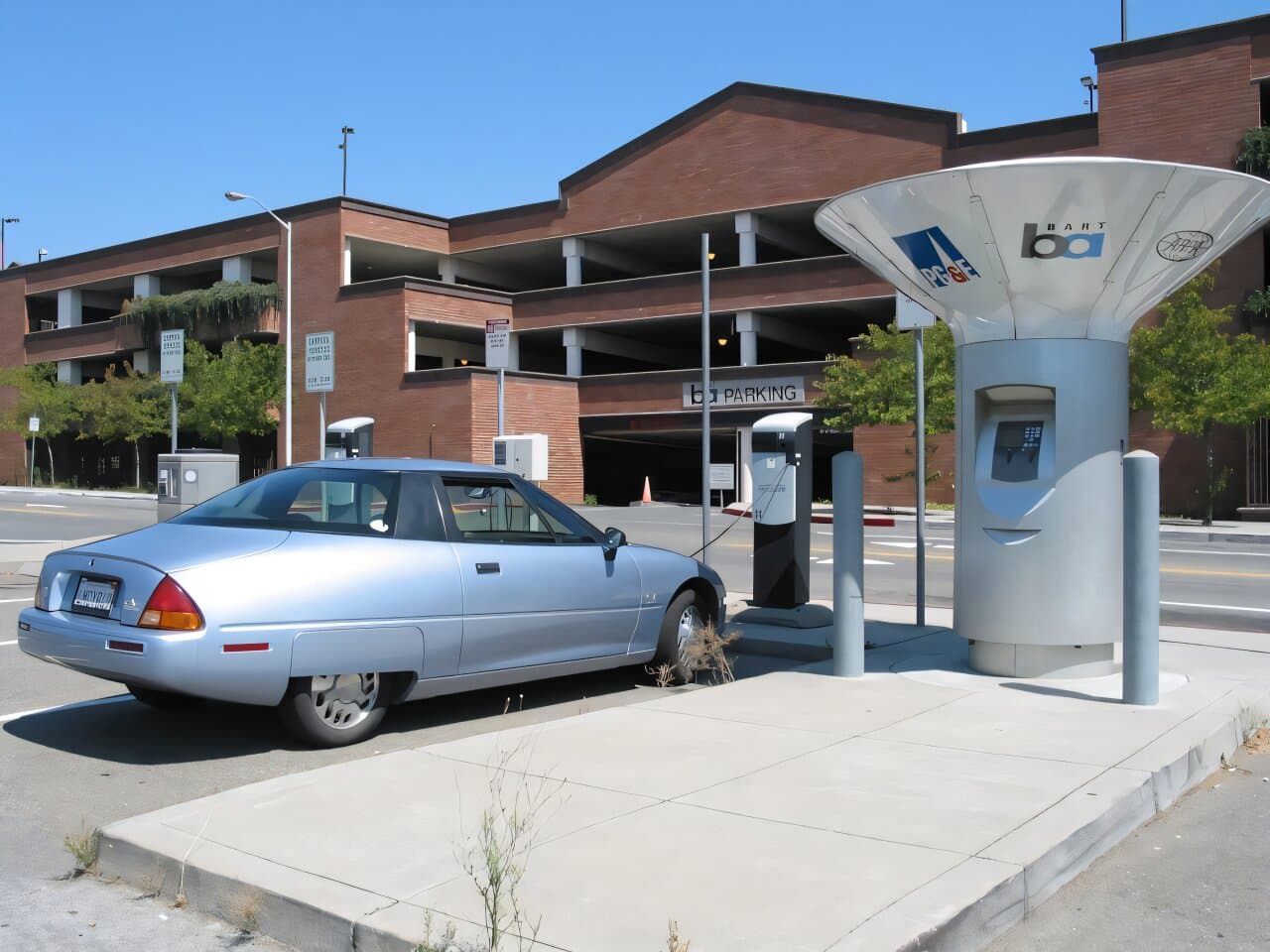
Image: TechXplore
Chinese factories produced almost 75% of the world’s EVs in 2025, and the effects are now hitting some of the auto industry’s biggest names. In Germany, Japan, and the United States, established carmakers are struggling as demand for electric vehicles rises and Chinese manufacturers scale rapidly.
Volkswagen, once the biggest carmaker in China, now plays a much smaller role there. In June, it announced plans to cut 100,000 jobs worldwide. Honda CEO Toshihiro Mibe was even more blunt after visiting a high-tech EV factory in Shanghai.
“We have no chance against this.”
Months earlier, Ford CEO Jim Farley said Western carmakers were “in a fight for our lives.” The shift to EVs has also accelerated amid the U.S.–Iran conflict, adding pressure on companies that failed to move away from combustion engines fast enough.
How China built its EV lead
China’s rise was not inevitable. After the People’s Republic of China established its first car factory in 1949, the country spent decades building manufacturing capacity. In the 1980s and 1990s, local automakers partnered with foreign carmakers, gaining technical know-how while European and Japanese brands still dominated the market.
By the early 2000s, Chinese policymakers recognized they could not win in conventional internal combustion engine cars, and they had little chance in hybrids, where Japanese manufacturers already led with models such as the Prius. So they backed electric vehicles instead, years before the segment was mainstream. Tesla would not release its first EV until 2008.
Recommended reading
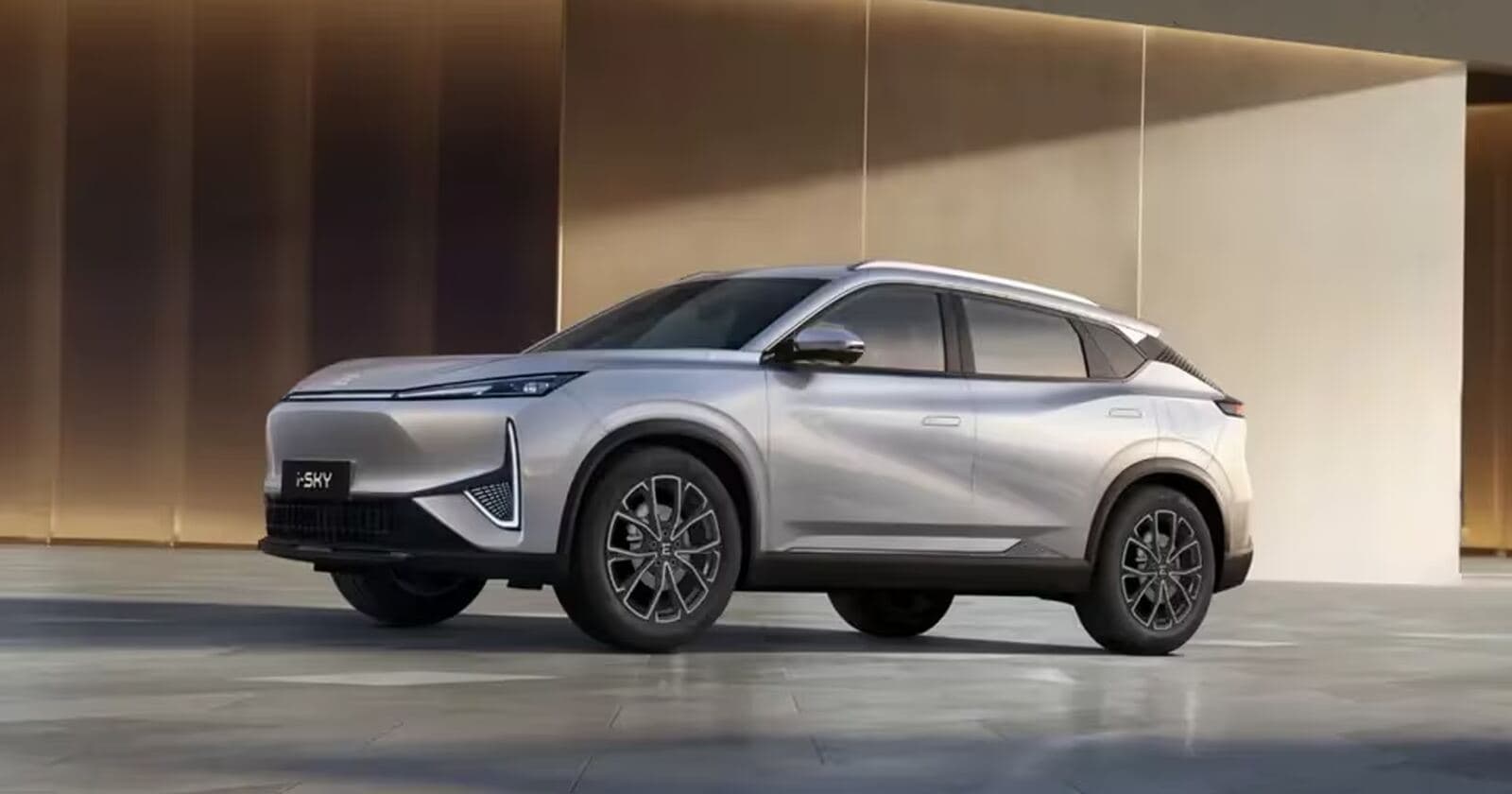
Evolute i-Sky slips to fall 2026 launch
In 2003, Chinese leaders made EVs a priority in the country’s new Five-Year Plan, with a focus on batteries and related technology. Between 2009 and 2022, Chinese authorities provided more than A$41 billion in tax breaks and subsidies for electric cars, taxis, and buses.
That support helped create giants. CATL grew from consumer electronics batteries into the world’s largest EV battery maker. BYD followed a similar path and is now the world’s largest EV manufacturer. Intense domestic competition pushed innovation, even as it triggered price wars and what the source describes as a “brutal” home market.
Why Western automakers fell behind
The article argues that established Western carmakers faced a very different set of constraints: less predictable political support, older customers more attached to combustion engines, pressure for short-term profits, and bigger supplier and dealer networks. They also had to contend with stronger unions, while EVs require 30% less labor.
The source notes that General Motors experimented with EVs for decades, including the EV1 in the late 1990s, but shut down production in 2003. Experimental models never received the support needed to scale. By contrast, the biggest Western EV maker, Tesla, started as a startup rather than a traditional conglomerate.
Even now, some industry leaders remain hesitant. Last month, Toyota chairman Akio Toyoda said EVs were his “biggest fear.”
“I love engines.”
China has now moved from almost no car exports 20 years ago to the top of the global ranking. In 2023, it overtook Japan after exporting almost 5 million cars to more than 180 countries. After launching in Australia in 2022, BYD has already become the country’s second-biggest car brand. Last month, founder Wang Chuanfu predicted BYD would overtake Toyota within five years.
The article’s conclusion is stark: larger brands may still compete, U.S. legacy automakers may lean on tariffs, but some will not survive.

Frontier Editor
Dan is our resident futurist, covering electric mobility, space exploration, and the smart home. He's interested in atoms just as much as bits. Whether it's a new battery chemistry, a reusable rocket, or a protocol that finally makes IoT devices talk to each other, Dan breaks down the engineering that pushes humanity forward.
via TechXplore