• 4 min read
China’s EV surge is rewriting global car markets
Chinese EV makers rose on subsidies, brutal domestic competition and tight supply chains. Now they’re reshaping markets from China to Australia.
Image: TechXplore
China has become the world’s dominant electric vehicle force, leading both EV sales and exports while producing most of the rechargeable batteries that power them. Between 2009 and 2022, the Chinese government provided more than A$41 billion in subsidies and tax breaks to support electric cars, taxis and buses. But the industry’s rise was not built on subsidies alone: over two decades, Beijing also built a manufacturing base that rewards fierce domestic competition, fast production and company-level innovation.
China’s EV push serves several goals at once. It reduces dependence on imported oil from countries including Iran, Russia and Venezuela, and helps China challenge long-established auto powers such as Germany, Japan and the U.S. Those aims were folded into a national decarbonization strategy in September 2020.
By 2025, more than half of new cars sold in China were EVs. Chinese-made vehicles are also gaining ground abroad. In the UK, EVs accounted for more than 30% of new-car sales in 2025. In Norway, they made up more than 95% of total car sales that year. The U.S. remained a laggard at just 10%, despite using tariffs to block Chinese EVs.

Recommended reading
AI predicts subway door risks before passengers arrive
Australia has also moved slowly, but the market hit a turning point in June 2026, when EVs made up close to 30% of new-car sales. In 2026, China overtook Japan as Australia’s main source of new vehicles after nearly three decades of Japanese leadership. The shift was helped by cheaper models, higher fuel prices, broader charging coverage and the New Vehicle Efficiency Standard.
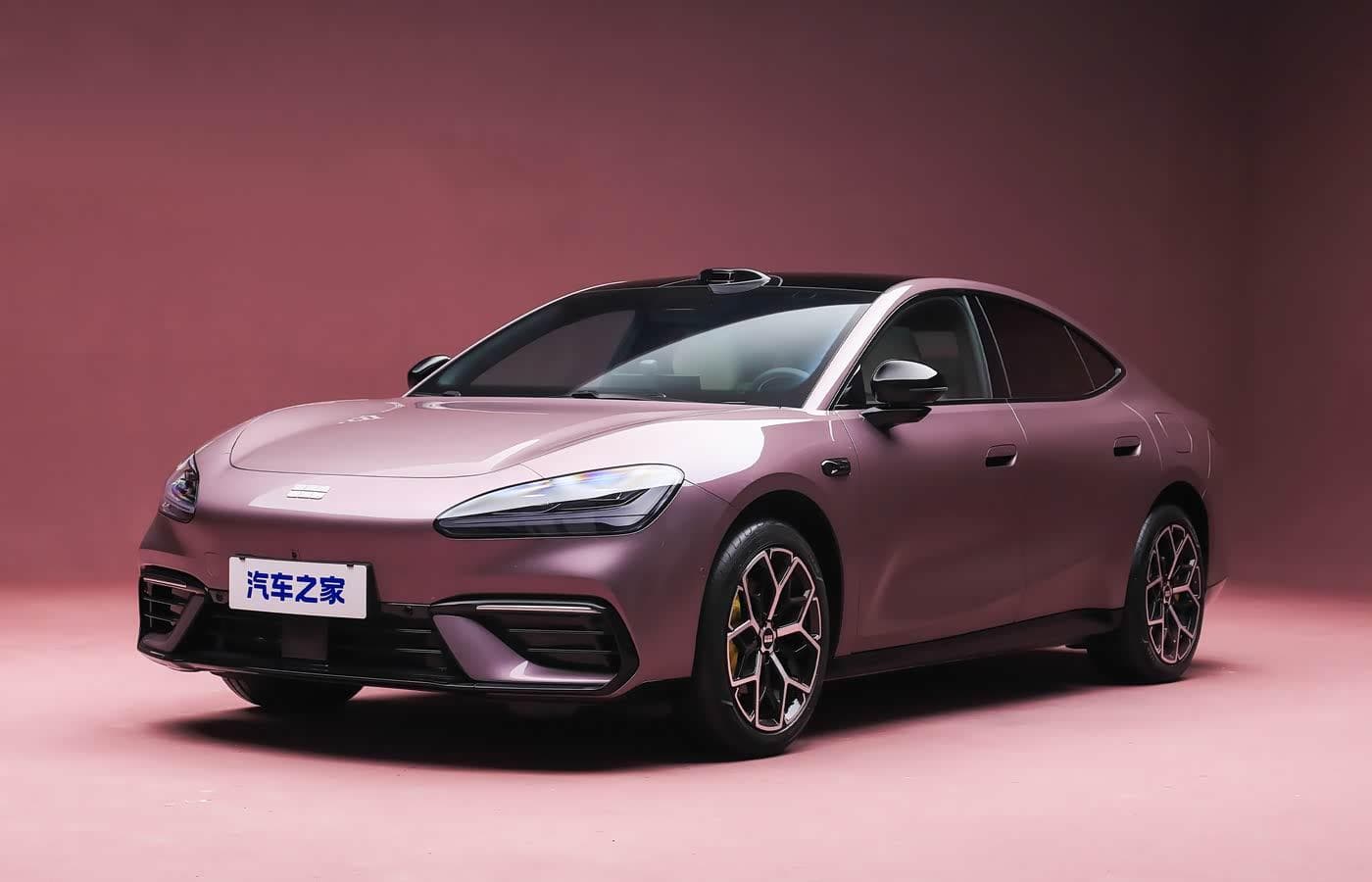
Tesla still leads Australia’s pure battery EV market with 28% share, but Chinese brands are closing in. BYD now holds 24%, while Geely and XPeng have moved from niche brands into the mainstream.
How Chinese EV makers got here
The source article argues that China’s winners emerged from an unusually harsh domestic market. At the peak of the EV boom, more than 500 companies entered the sector, backed by cheap capital, local governments and startup enthusiasm. As subsidies were reduced and incentives weakened, about 90% of those early players disappeared.
Some survivors adapted by building different strengths:
- Geely/Zeekr drew on Volvo engineering to improve its premium EV lineup
- Xiaomi, founded in 2010 as a software startup, expanded from smartphone software into smart home products and then EVs, launching its first car in 2024
- BYD began as a battery maker, acquired a struggling state-owned automaker in 2003, and became a vertically integrated giant
That integration now gives BYD control over much of its supply chain, from power electronics to vehicle platforms and shipping. According to the source, it can assemble one vehicle every 52 seconds. In 2025, BYD delivered a record 4.5 million cars worldwide.
Regional industrial hubs also matter. The Pearl River Delta, for example, lets EV companies combine Shenzhen’s electronics base with Guangzhou’s long automotive history, speeding the path from design to mass production.
Pressure is building at home
The boom is now running into limits. China’s EV market is increasingly saturated, and profit margins are shrinking. Domestic demand cannot absorb all the vehicles being produced. In the first half of 2026, Chinese car buyers spent nearly 13% less than a year earlier, the sharpest drop among China’s major consumer goods categories.
That makes overseas markets less of a bonus than a necessity. Still, low-cost production alone will not guarantee long-term success. The source points to tariffs, data security, battery standards, charging infrastructure, resale values and consumer trust as the factors that will determine whether Chinese automakers become durable global brands.
For countries such as Australia, that creates a dilemma. Chinese EVs could help speed progress toward transport-emissions targets, but heavier reliance on them also raises strategic concerns. The source argues that governments should focus on stronger data security, vehicle safety and battery recycling rules, while investing more in public charging infrastructure.

Frontier Editor
Dan is our resident futurist, covering electric mobility, space exploration, and the smart home. He's interested in atoms just as much as bits. Whether it's a new battery chemistry, a reusable rocket, or a protocol that finally makes IoT devices talk to each other, Dan breaks down the engineering that pushes humanity forward.
via TechXplore