• 3 min read
Dupes Are Winning the Shopping Internet
A court fight over UGG-style boots underscores how dupe culture has gone mainstream, fueled by TikTok, Amazon, and reverse image search.
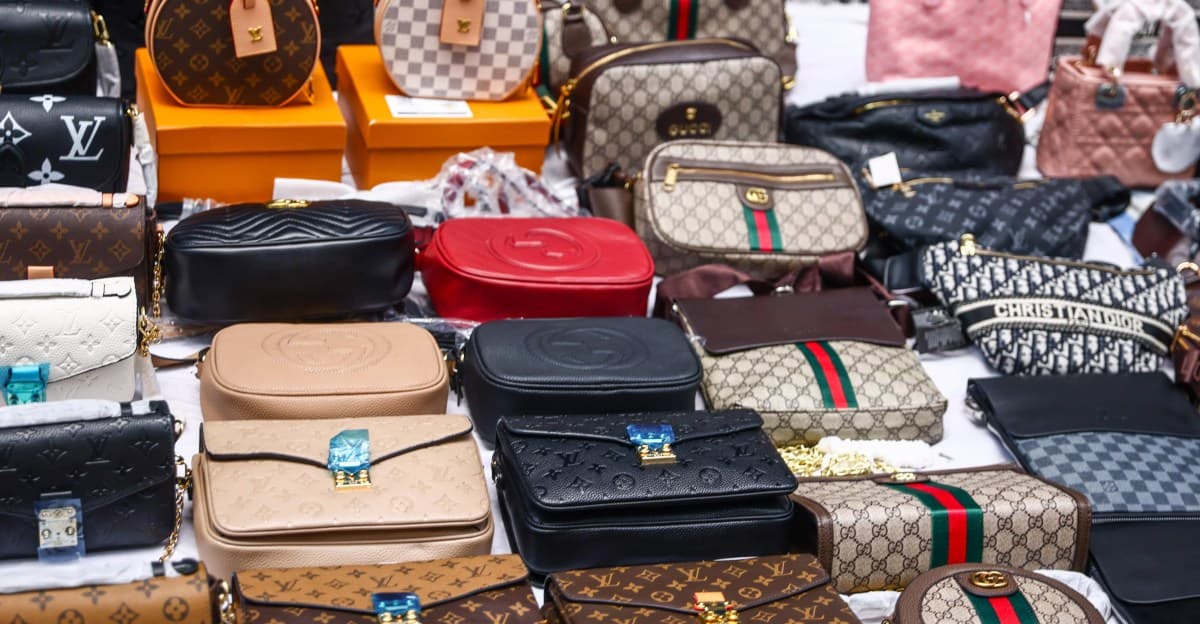
Image: Hacker News
A recent courtroom fight over UGG-style boots captured how far dupe culture has spread. Deckers, the company behind fleece-lined UGG boots, tried to stop Quince from mentioning “dupe culture” at trial. It lost that bid — and the case itself ended with a result that may help copycat products spread even further.
The dispute centered on whether Quince’s shearling boots infringed UGG’s design patent. The jury found that Quince had copied the UGG design, but also ruled that the patent should never have been granted because the boot design was too generic to protect. That leaves the door open for Quince and other brands to sell similar-looking boots.
For Mia Sato, senior reporter at The Verge, that ruling fits a much larger shift. What used to feel embarrassing — buying a fake or knockoff — is now often framed as savvy shopping. Dupes are pitched not as counterfeits, but as cheaper lookalikes that avoid directly violating trademark or copyright law.

Recommended reading
Rostelecom says fiber now reaches 80% of homes in megacities
Speaking on Today, Explained with co-host Sean Rameswaram, Sato said dupe culture now touches nearly everything: guitars, clothing, makeup, food, recipes, vacations, and more. Recent examples she cited include Le Creuset Dutch ovens, designer perfumes, Apple AirPods Max, Oura Ring trackers, dishwasher pods, Pilates workouts, and even another island marketed as a dupe for Santorini.
“We could probably surmise that there will be even more dupes in the future, but I think there are more dupes than have ever existed in the history of mankind right now.”
The infrastructure for finding dupes is now built directly into online shopping. Dupe.com lets users paste in a product URL and run a reverse image search for similar items. Amazon recently added a feature that lets shoppers describe a product in text, generates an image with AI, and uses it to find similar products. TikTok can highlight products in paused videos and point users to similar items on TikTok Shop.
How legality and consumer demand collide
The legal line is blurry. As Sato noted, intellectual property lawyers often answer dupe questions with some version of “It depends.” In categories like fashion, many designs may be too generic to protect. Two products looking alike does not automatically make one illegal.
That ambiguity intersects with consumer sentiment. Shoppers may feel little sympathy for brands like Fender or UGG, especially when the original product is expensive or hard to get. Sato said that helps explain the appeal of products like the “Wirkin,” a $50 Walmart bag styled after the Birkin, which can cost tens of thousands of dollars.
Still, Sato argues the dupe does not replace the original so much as reinforce its status. People may buy the cheaper stand-in, but still want the real thing. And the economics behind many dupes can be shaky: shoppers have been trained to expect something that is cheap, durable, ethical, and attractive all at once, even when that combination often does not exist — especially in an era shaped by Temu and SHEIN.
Sato’s broader point is that internet culture has normalized imitation far beyond shopping. Algorithmic feeds reward people for using the same sounds, formats, and trends. Now that same copy-and-repeat logic is showing up in physical goods too — often in products people own without even realizing they are dupes.

Culture Editor
Maya explores gaming, streaming, and the internet as a place where people actually live. From deep-dives into creator economies to the anthropology of digital communities, she tracks platform drama and cultural shifts so you don't have to. She believes the best tech stories are fundamentally about human behavior.
via Hacker News