• 2 min read
Electra’s EL9 targets takeoff in just 45 meters
Electra has picked Safran for the EL9's hybrid turbogenerators, with first flights due in 2027 or 2028 and commercial service planned for 2030.
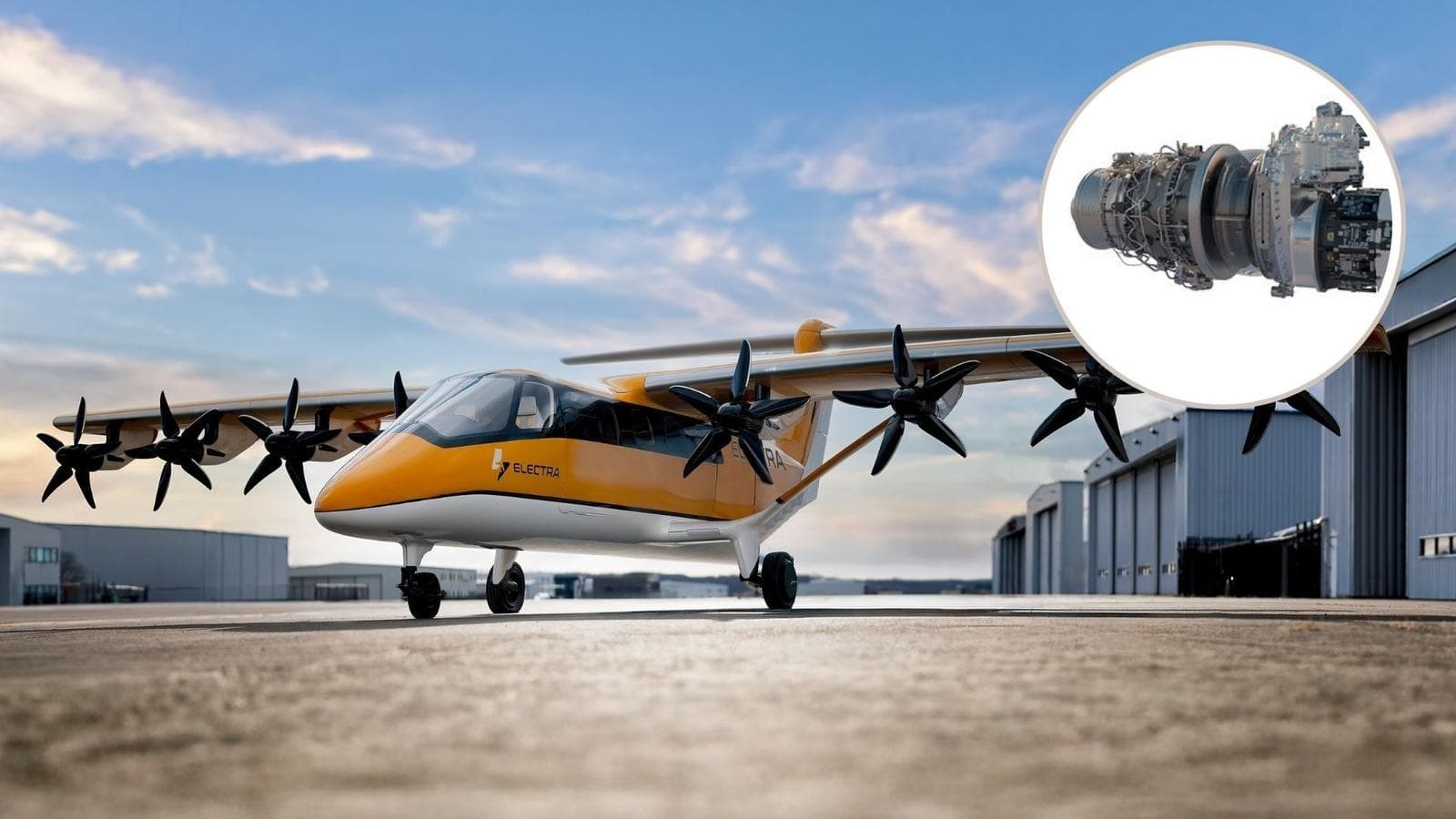
Image: iXBT
Electra has selected Safran Helicopter Engines to supply turbogenerators for its hybrid-electric EL9 Ultra Short, a regional aircraft designed to operate from strips as short as 45 meters. The long-term agreement covers the full life of the program and starts with an initial order for 250 TG600 units.
The Safran TG600 will generate 600 kW of electricity for the EL9's hybrid propulsion system. It is based on the Arrano helicopter engine technology, which Safran says improves fuel efficiency by 18% versus the previous generation of engines. The system also includes two GENeUS generators developed by Safran Electrical & Power.
Safran has already completed the first bench tests of a flight-ready turbogenerator at its site in Bordeaux, France. The company plans to use that unit during the EL9's first flight tests.
Electra is aiming to begin initial test flights in late 2027 or early 2028, with commercial operations planned for 2030 after certification by the US Federal Aviation Administration (FAA).

Recommended reading
St. Petersburg launches Vechniy electric catamaran
The EL9's core pitch is its ultra-short takeoff and landing capability, combining hybrid-electric propulsion with a blown-lift wing system. According to Electra, that would let the aircraft use small airfields and sites that conventional regional aircraft cannot reach.
The company is positioning this as “Direct Aviation”: direct regional service that avoids large airport hubs. Electra argues that the model could link cities and communities that currently lack practical commercial air service.
The program has already drawn backing from Bristow Group, described as a leading US industrial aviation services provider, which signed a prepaid agreement to secure the first production slot after certification.
The EL9 is one of a new group of regional aircraft programs combining electric propulsion with a conventional turbine setup. Electra forecasts demand for 12,000–16,000 such aircraft in the US during the first decade of the Direct Aviation concept, though those plans still depend on testing and certification.

Frontier Editor
Dan is our resident futurist, covering electric mobility, space exploration, and the smart home. He's interested in atoms just as much as bits. Whether it's a new battery chemistry, a reusable rocket, or a protocol that finally makes IoT devices talk to each other, Dan breaks down the engineering that pushes humanity forward.
via iXBT