• 2 min read
Europe’s heat wave is breaking phones in a new way
Repair shops across Europe say people are damaging phones by cooling them in fridges and freezers, causing condensation, short circuits, and swollen batteries.
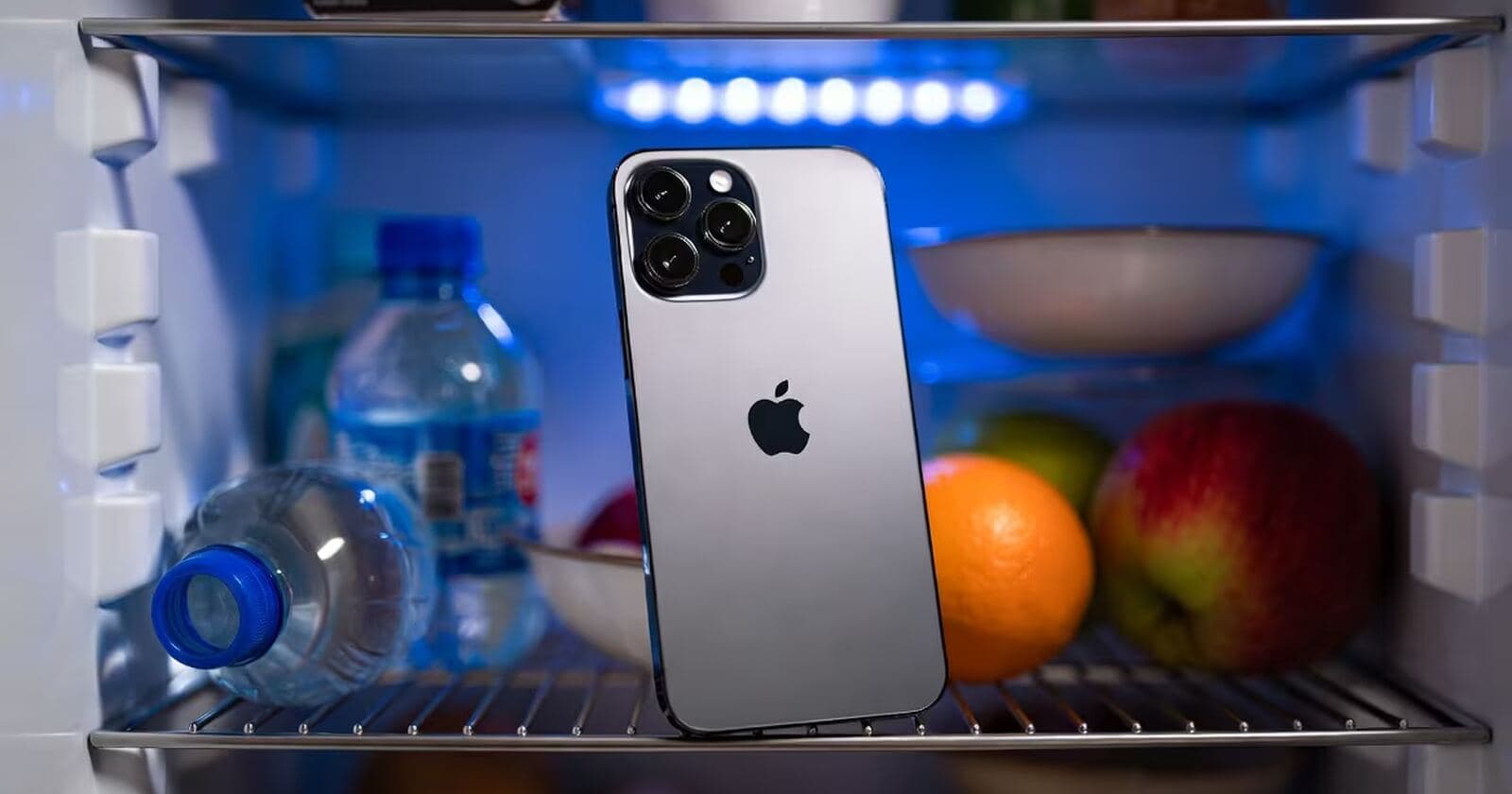
Image: ITzine
Repair shops across Europe are seeing a new summer failure mode for smartphones and tablets: devices damaged not by the heat itself, but by sudden cooling. As temperatures climb, some users are trying to save overheating gadgets by putting them in a refrigerator or even a freezer. Technicians say that often ends with condensation inside the device, short circuits, and swollen batteries.
Jamie Farnell, a repair shop owner, said he has received a string of devices in recent weeks with moisture inside the chassis after exactly this kind of rapid cooling. One case involved an iPad with a swollen lithium battery that later exploded.
According to repair centers, the problem is the temperature swing, not simply the cold. Warm air trapped inside a phone or tablet cools quickly, water droplets settle on internal components, and when the gadget returns to a normal environment the moisture can increase further. That can damage contacts, short the mainboard, and knock out the camera, charging port, or display.

Recommended reading
Oppo Reno 16 adds IP69K and a bigger battery
Battery damage is a separate risk. Lithium-ion cells handle not only heat poorly, but also abrupt cooling—especially if the battery is already worn or has microscopic damage.
Manufacturers have warned about this for years. Apple recommends using the iPhone between 0 and 35°C, while Samsung and other brands also advise users not to leave phones in the sun or in a car, and not to cool them with extreme methods. Even devices with water resistance are not designed for constant temperature shocks: seals, adhesives, and gaskets can degrade, leading to screen separation and loss of waterproofing.
Farnell compared the fridge trick to another persistent myth: drying a wet phone in rice. Repair shops have the same complaint there. Rice does little to remove moisture from deep inside a device, while dust and starch can clog ports, microphones, and speakers.
The scale matters. According to IDC, tens of millions of smartphones were shipped to Europe in 2025, so even a modest seasonal spike in failures can quickly become a noticeable burden for repair shops and warranty departments.
The safest fix for an overheating phone is much less dramatic:
- Turn it off
- Remove the case
- Move it out of direct sun
- Let it cool naturally in a cool place
If the body has already fogged up, the screen is starting to lift, or the battery has swollen, repair technicians say you should not turn the device back on. At that point, trying to make it last “until evening” often ends with a board or battery replacement.

Gadgets Editor
Eli is obsessed with the tangible future. He reviews phones, wearables, and everything with a battery. Known for his rigorous testing protocols and unabashed teardowns, Eli has broken more review units than he cares to admit, all in the name of discovering the truth about durability and repairability.
via ITzine