• 2 min read
FCC clears first test for startup’s orbital sunlight mirrors
Reflect Orbital won FCC approval to test Eärendil-1, a satellite meant to beam sunlight to Earth. Astronomers warn the idea could brighten skies worldwide.
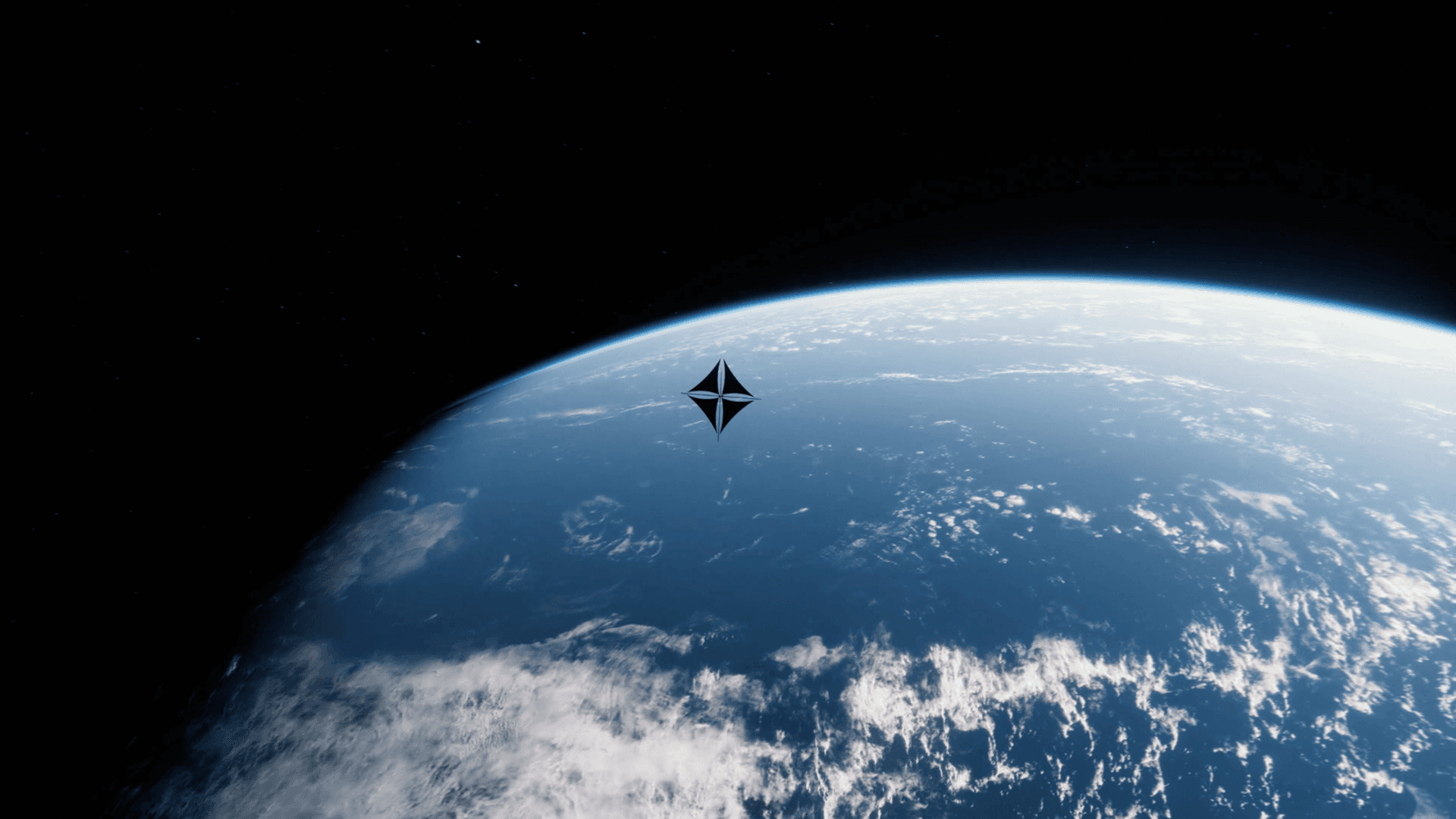
Image: TechRadar
A California startup has won FCC approval to test a satellite designed to reflect sunlight toward Earth, reviving a concept that sounds a little like science fiction but is now moving toward orbit.
Reflect Orbital says its Eärendil-1 spacecraft will carry four thin-film reflectors measuring about 18 meters, or roughly 60 feet, across in low Earth orbit. The company wants to direct reflected sunlight at specific locations for short periods, with potential uses including construction work, search and rescue operations, and solar power generation.
The company says its mirrors could eventually deliver up to 36,000 lux, which it describes as roughly comparable to outdoor daylight. It also says the system could provide around 100 lux continuously, similar to lighting in standard indoor workspaces.
“We’re grateful to the FCC for recognizing the importance of testing novel technologies in space.” “This license is the first step toward rigorously testing our technology’s efficacy and the safeguards we have developed.”
The idea has already drawn comparisons to the fictional Icarus satellite in the James Bond film _Die Another Day_, though the real system is far smaller in scope. Still, critics say the same basic concern applies: once deployment scales up, unintended effects may be hard to avoid.

Recommended reading
Satellite startups pull $8.1B in half a year
Astronomers warn of brighter skies
Scientists and environmental groups say a network of thousands of orbital mirrors could interfere with astronomy and disrupt natural day-night cycles. Tony Tyson, chief scientist at the Vera C. Rubin Observatory, called the proposal “even crazier” than earlier satellite-constellation problems affecting astronomical research.
The European Southern Observatory warned that a full deployment could raise sky brightness at its facilities by three to four times, making it harder for telescopes to detect distant, faint objects. Researchers have also warned that artificial nighttime light could affect plants, animals, and humans that depend on predictable light cycles.
The FCC said scientific and environmental issues are outside its direct authority, which is focused mainly on communications services involving radio, television, satellite, and related systems. It approved the test on the basis that supporting new space technologies can help drive innovation and economic development.
Opponents may now look to agencies including NASA and the Environmental Protection Agency for broader reviews of the technology’s environmental and space-related effects.
Future testing, regulatory scrutiny, and independent scientific review will determine whether orbital mirrors become a practical tool — or a new source of light pollution on a planetary scale.

Frontier Editor
Dan is our resident futurist, covering electric mobility, space exploration, and the smart home. He's interested in atoms just as much as bits. Whether it's a new battery chemistry, a reusable rocket, or a protocol that finally makes IoT devices talk to each other, Dan breaks down the engineering that pushes humanity forward.
via TechRadar