• 2 min read
Google locks up 1.6GW from Arkansas solar farm
Google will buy the full initial output of Arkansas' Steel River Energy Center starting in 2029 to offset emissions tied to its rising data center power use.
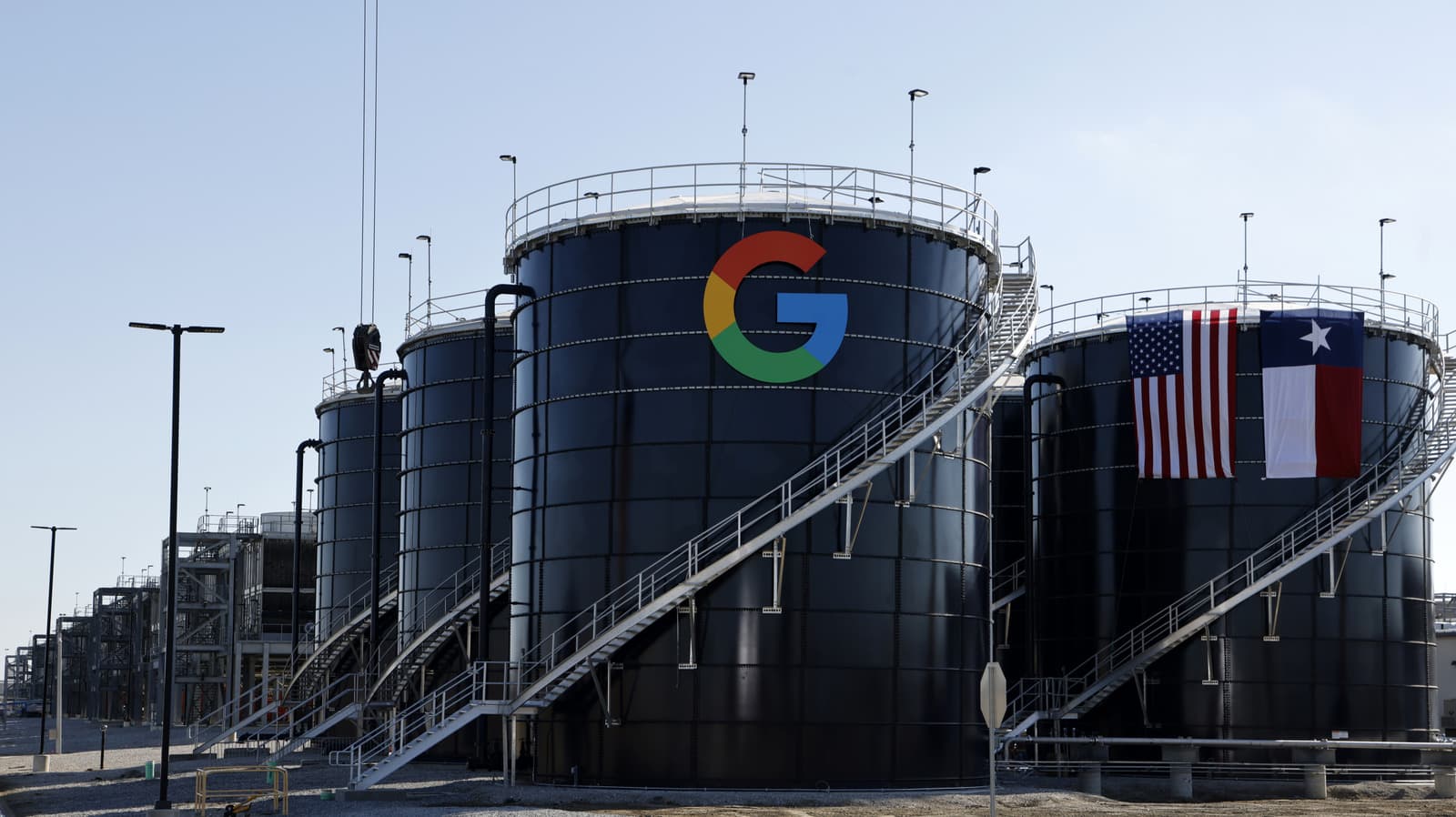
Image: Engadget
Google has agreed to buy 100 percent of the initial output from the Steel River Energy Center in Arkansas, a major solar-and-storage project that the Financial Times says will help offset the company’s fossil fuel emissions.
The deal covers 1.6 gigawatts (GW) of solar power and 2GW of battery storage when the project’s first output comes online in 2029 — enough to power 315,000 homes.
Google will pay a fixed price for the electricity, but it won’t consume that power directly. Instead, the company will keep drawing electricity from the grid, which includes a mix of coal, nuclear, renewables and natural gas, plus its own on-site generation, typically gas turbines and engines. Power from Steel River will become part of that broader grid mix.
Once fully built, the project is expected to deliver 2.45GW of solar power and 2.9GWh of battery energy storage. The first two of its three phases have already secured $3.5 billion in financing, with an emphasis on US-manufactured steel and solar panels.

Recommended reading
AliExpress faces record $629 million EU fine
The backdrop is Google’s fast-rising energy demand. The company’s electricity use increased 37 percent last year, pushing its grid-based emissions up by the same amount. Meta and Amazon have also reported sharp increases in energy consumption as data centers expand to support AI workloads.
That demand has increasingly been met by fossil fuels, adding to CO2 emissions as global temperatures rise. The article notes that scientists said last month the recent heat waves across Europe would have been “virtually impossible” without climate change.
Large tech companies have increasingly turned to clean energy purchases to counterbalance fossil-fuel-heavy electricity use, though some experts argue that this kind of offsetting is controversial and not always effective. Meta recently bought the full 200MW output of another solar plant in Texas, while Amazon agreed to acquire the troubled 1.2GW Sunstone solar and battery project in Oregon.

Enterprise Editor
Marcus follows the money. He covers enterprise software, cloud architecture, and the tectonic shifts in Big Tech strategy. He translates dense earnings calls and complex M&A activity into actionable insights about where the industry is actually heading. If a tech giant makes a silent pivot, Marcus is usually the first to notice.
via Engadget