• 3 min read
Hollywood edges toward AI after years of resistance
Netflix, Lionsgate and A24 are backing AI partners as studios test tools for post-production and virtual environments without replacing actors.
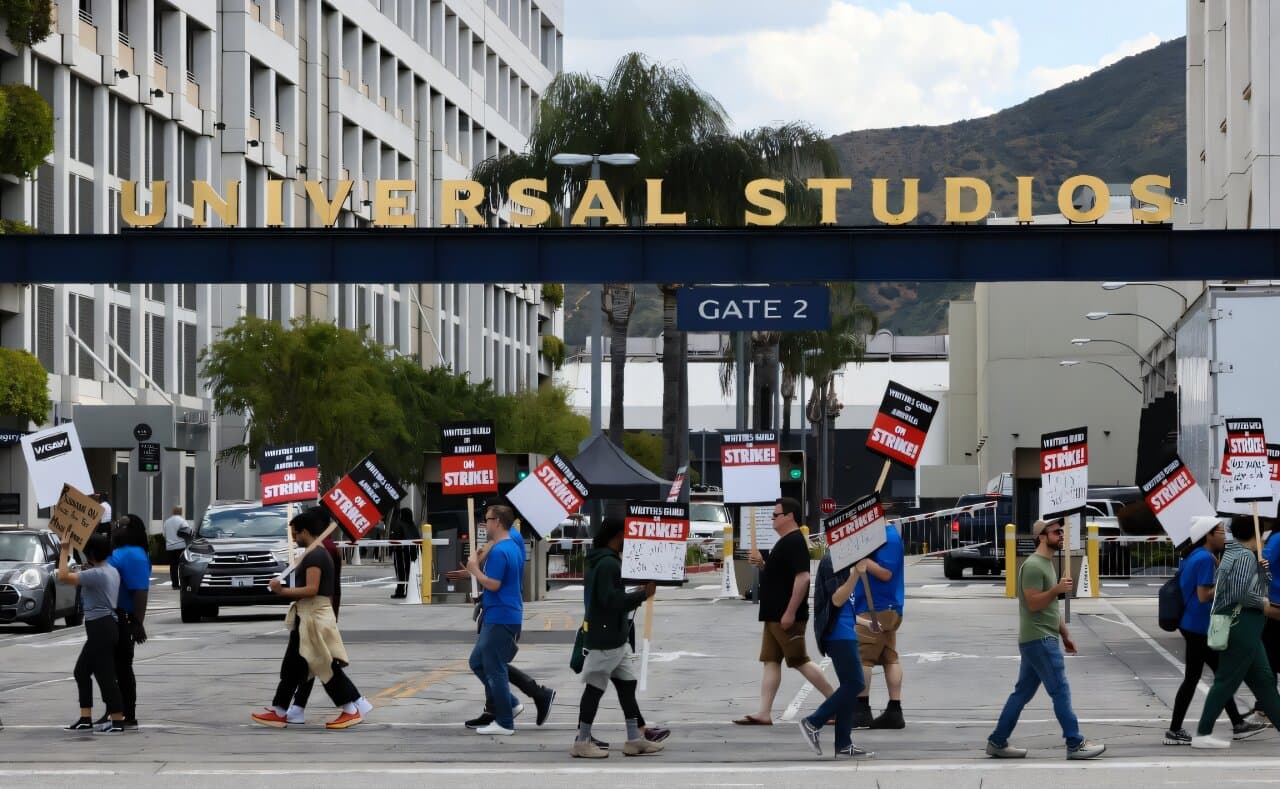
Image: TechXplore
After years of anxiety over copyright, labor, and awkward early results, Hollywood is starting to embrace AI more openly. The shift has accelerated through a series of deals linking major entertainment companies with AI startups, even as producers insist the core creative process will stay human-led.
The industry’s initial response was defensive. Studios feared misuse of intellectual property, while actors worried they would be reduced to training data, making AI a central issue in the 2023 strike. Early experiments also exposed the limits of the technology, with visual glitches like distorted hands and poorly synced mouths.
That mood changed sharply in early March, when Netflix bought InterPositive—a company with fewer than 20 employees—for $587 million. The startup, co-founded in 2022 by Ben Affleck, builds AI tools for film and TV production. In early June, Lionsgate took a stake in Runway and said the two would develop projects together. Days later, Google invested in A24.

Recommended reading
India’s domestic workers move onto apps
Runway said in May that AI video quality had improved to the point where, in many cases, “the technology is now good enough to become invisible” if the story is strong enough. Jamie Umpherson, Runway’s chief creative officer, told AFP that growing familiarity with the tools is helping creative teams focus more on story and style.
Netflix is already using the technology at scale. In mid-July, co-CEO Ted Sarandos said GenAI workflows had been used on roughly 300 Netflix titles, mostly in post-production.
“We’re making higher-quality output more quickly and efficiently than we could have using traditional methods.”
Hybrid filmmaking gains traction
For now, much of the industry’s use of AI appears focused on the edges of production, from early visualization to color grading after filming. Jon Erwin, director and producer at Wonder Project, argues that actors and directors remain central.
In April, Wonder Project launched Innovative Dreams, a joint venture with Luma. Their system films actors naturally—without green screens or motion-capture suits—then places them in a hyper-realistic AI-generated environment just minutes later, giving filmmakers rapid previews and a chance to reshoot scenes immediately if needed.
Erwin calls the approach “hybrid” or “nonlinear” filmmaking. Its first feature, “Young Washington,” starring William Franklyn-Miller, has grossed more than $40 million—about double its production budget—and also features Ben Kingsley alongside two Golden Globe winners.
Not everyone is convinced the transition will leave crews untouched. Matt Damon pointed to the scale of Christopher Nolan’s “The Odyssey,” shot across three continents, and questioned whether productions will keep getting that level of resources.
The biggest legacy studios—Paramount, Universal, Sony, Walt Disney and Warner Bros.—have so far stayed officially on the sidelines. But Tanya Porquez, CEO of Generated Group, told AFP that this hesitation is unlikely to last.
“Studios will have to get on board. Not because they necessarily want to, but I think it’s just the wave.”
Enterprise Editor
Marcus follows the money. He covers enterprise software, cloud architecture, and the tectonic shifts in Big Tech strategy. He translates dense earnings calls and complex M&A activity into actionable insights about where the industry is actually heading. If a tech giant makes a silent pivot, Marcus is usually the first to notice.
via TechXplore