• 3 min read
India’s domestic workers move onto apps
Startups like Snabbit, Pronto and Urban Company are pushing India’s domestic work sector online, promising flexibility and higher pay amid labor concerns.
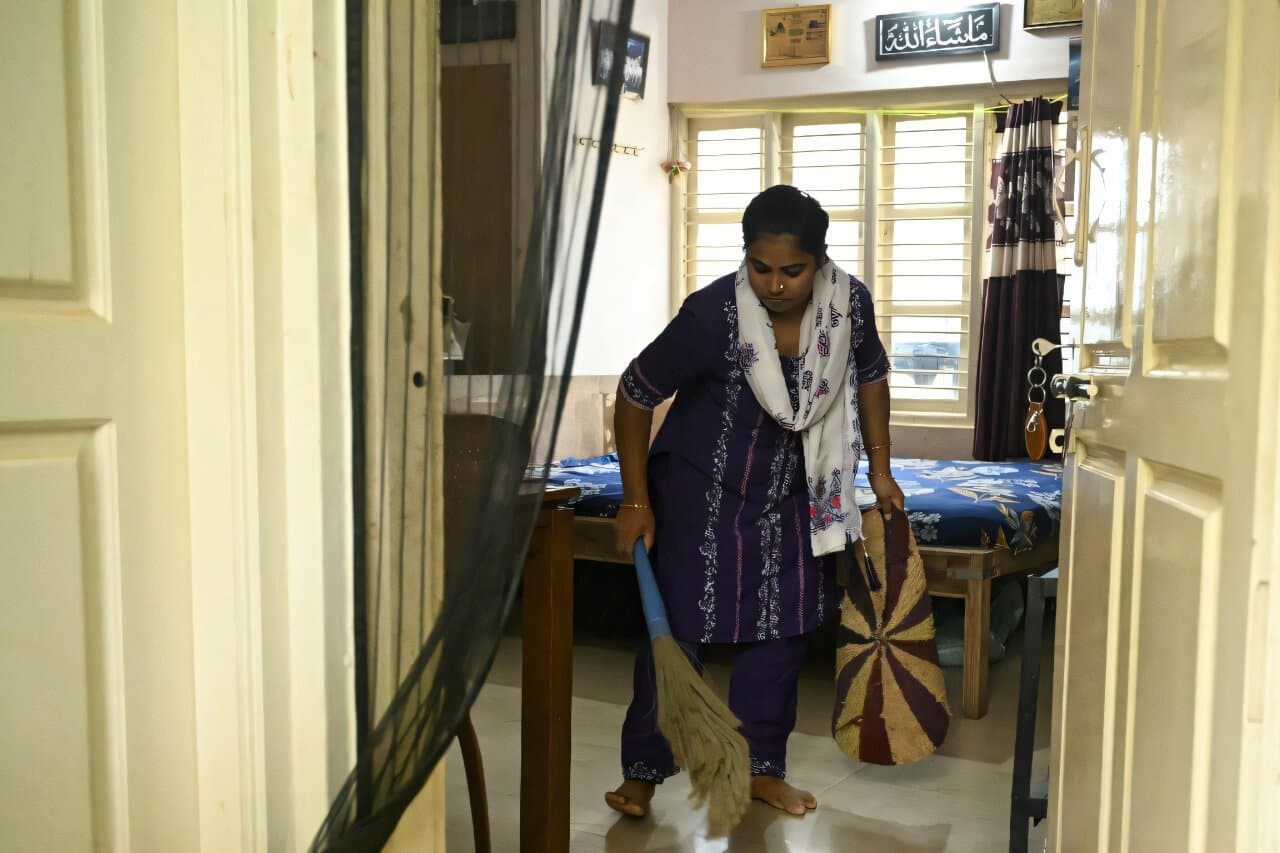
Image: TechXplore
India’s vast domestic work sector is being pulled onto apps as startups promise faster bookings, more flexible hours and, for some workers, sharply higher pay. The shift targets a traditionally informal market that employs about 30 million people, long built on word-of-mouth arrangements for cleaning, cooking and other household chores.
Platforms including Snabbit, Pronto and Urban Company work much like ride-hailing services. Workers receive jobs online, travel to assigned homes and clock in on their phones, while their performance is measured through customer ratings and algorithm-driven rewards or penalties.
At one of Snabbit’s training centers in Bengaluru, workers practice tasks such as folding sheets and chopping vegetables against the clock. Heena Bibi, 34, told AFP that working through a company has been beneficial, earning around 45,000 rupees ($472) a month)—about three times what workers typically make serving up to four customers through traditional arrangements.
She said she usually gets three to four jobs on a normal day, with extra demand during festivals. For many workers, that kind of volume is part of the appeal in a sector historically associated with low pay and the risk of abuse or exploitation.
Still, not everyone is convinced.

Recommended reading
Hollywood edges toward AI after years of resistance
Worker pay, safety and job security
For Renu Devi, a 38-year-old domestic worker from Uttar Pradesh, the older system feels safer because she knows the households she works in.
“I am scared that I might have to go to a house where I don’t know if I will be safe.”
Labor groups also argue that the apps swap one form of vulnerability for another. Sanjay Gaba, president of the All India Gig and Platform Workers Union, told AFP the model is “100% unfair,” saying workers lack job security and benefits such as pensions because they are not permanent employees.
Snabbit founder and chief executive Aayush Agarwal argued that flexible scheduling is central to the platform’s popularity. He told AFP that a mother can work for four hours after sending her child to school and return before the child comes home.
The company operates in 10 cities, including Delhi and Mumbai, and says its 20,000 registered workers handle an average of 60,000 jobs daily.
Training, ratings and on-demand demand
Customers are also changing their habits. Atiya Khusro, a 63-year-old homemaker, told AFP she prefers booking domestic workers online because traditional workers usually come on fixed schedules.
Before joining these platforms, workers go through background checks, including police verification. Training also covers soft skills, such as tying hair neatly and greeting customers. Ratings carry real weight: Bhoomika Saigal, Snabbit’s director of training and quality, said the training team contacts workers whose score falls below four out of five to understand the problem.
The same on-demand model is spreading across India’s wider gig economy. Pronto markets hourly help ranging from window cleaning to “after-party express cleanups,” while Urban Company offers home repairs and salon services through its app. Agarwal said his goal is to bring domestic work to the point where, even on a Sunday morning or during a festival, users can open the app and immediately book a slot.

Enterprise Editor
Marcus follows the money. He covers enterprise software, cloud architecture, and the tectonic shifts in Big Tech strategy. He translates dense earnings calls and complex M&A activity into actionable insights about where the industry is actually heading. If a tech giant makes a silent pivot, Marcus is usually the first to notice.
via TechXplore