• 3 min read
Japan’s data center boom hits urban backlash
Residents in Tokyo suburbs are pushing back on new data centers as Japan races to build AI infrastructure in densely packed cities.
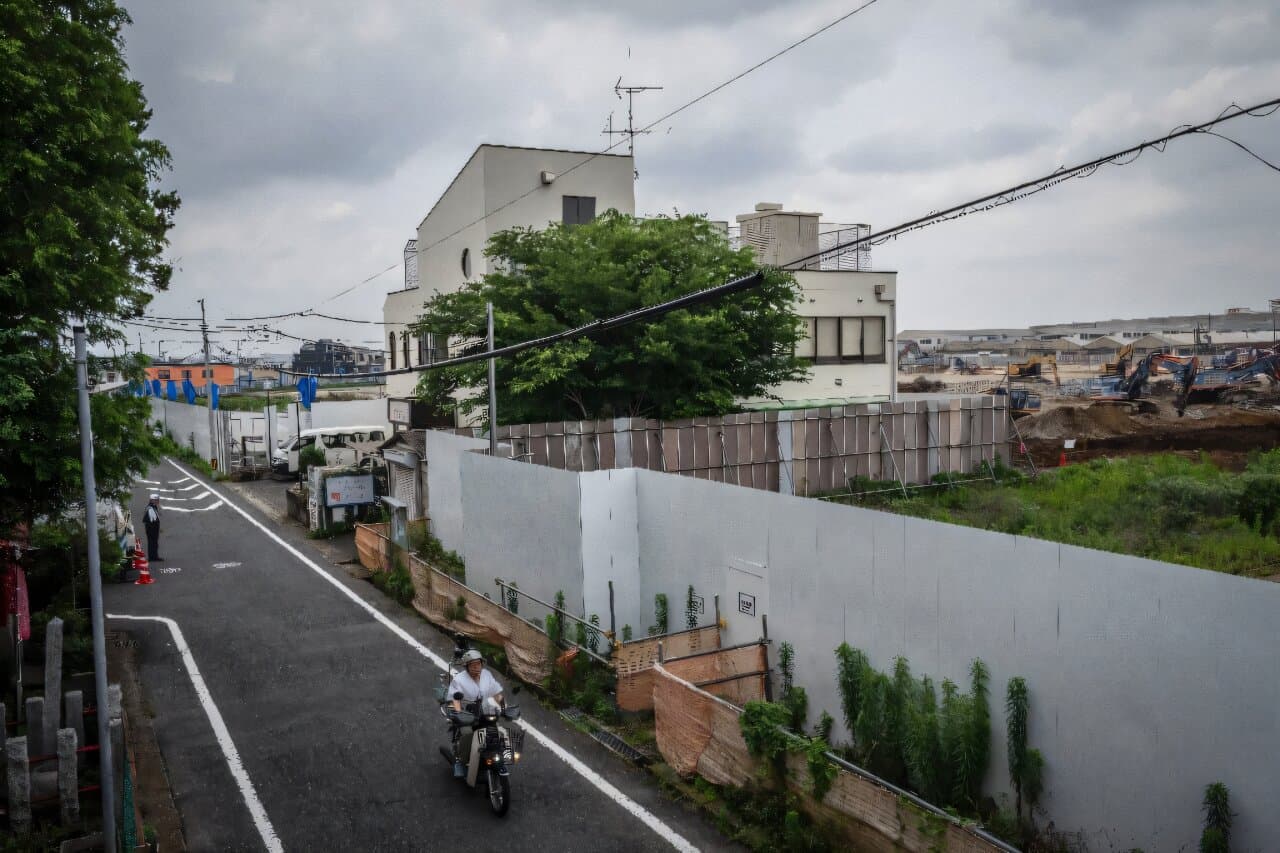
Image: TechXplore
Japan’s push to expand data center capacity is running into growing local opposition, especially around Tokyo, where buildable land is scarce and neighborhoods are tightly packed.
In Hino, on Tokyo’s outskirts, residents are protesting a large project planned near their homes. Yoriko Kitagawa, 94, told AFP:
“This is a terrible plan.”
The concern is not unique to Japan. AFP notes that resistance to resource-intensive data centers is rising globally, with New York state and Australia recently announcing new rules, while opponents in the United States have called for a “national day of protest” Saturday.
In Japan, the pressure is sharper. About 80% of the country is mountainous, leaving limited space for large facilities near the urban areas where demand is highest. One new center is even planned near Tokyo Tower. In Hino, the height of two of three planned buildings was reduced by one-fifth to 63.5 meters (208 feet), but they would still loom over nearby homes and block sunlight for some residents.
Residents have also raised safety and quality-of-life concerns. Yasuo Yamazaki, 69, said he worries about fires linked to the site’s large battery installations, as well as heat, noise, and the risk of an explosion from fuel stored for backup generators.

Recommended reading
Databricks jumps to $188B as AI push fuels fresh round
Developer Mitsui Fudosan says it plans a green buffer zone of up to 78 meters (256 feet), with trees and a stream meant to reduce noise, heat, and what one company official described to AFP as the site’s “oppressive feeling.” The company says it has held regular meetings with residents.
Japan’s AI plans and data center constraints
The conflict comes as Japan pursues ambitious AI goals, including 10 million AI robots operating by 2040 and a broader effort to become “the most AI-friendly country in the world.” It also wants domestic sovereign AI models and infrastructure to reduce dependence on the United States and China.
That requires more data centers, which are used to train and run AI models and store vast amounts of cloud data. But Trung Ghi, an energy and utilities consultant at Arthur D. Little, told AFP that Japan faces major constraints:
“Suitable large-scale land near demand centers is limited, particularly because Japan is mountainous and major demand is concentrated around dense urban areas.”
According to real estate company JLL, about 90% of Japan’s data centers are concentrated in the Greater Tokyo and Greater Osaka areas. Ghi said the long-term winners may be locations with reliable, affordable, and increasingly low-carbon power, rather than just sites closest to cities.
Japan is also moving to revive nuclear power to help meet projected electricity demand from AI, 15 years after the Fukushima disaster.
Inzai lawsuit targets new facility
The backlash is also visible in Inzai, a Tokyo commuter town that already has at least 10 data centers, including one used by Google. Residents there have filed legal action against another proposed facility.
The lawsuit argues that locals' “peaceful daily existence” would be harmed by loss of sunlight, damage to the landscape, an “oppressive” presence, noise, vibration, hot air, traffic risks, and major construction work. Japan ERI, which granted the construction certificate, declined to comment to AFP.
Critics also say Japan’s regulations are outdated because data centers can still be classified as offices rather than industrial facilities. Satoshi Oikawa, a lawyer for Inzai residents, told AFP that Japanese law “is not catching up with the situation.”

Enterprise Editor
Marcus follows the money. He covers enterprise software, cloud architecture, and the tectonic shifts in Big Tech strategy. He translates dense earnings calls and complex M&A activity into actionable insights about where the industry is actually heading. If a tech giant makes a silent pivot, Marcus is usually the first to notice.
via TechXplore