• 2 min read
Korean SafeDrive model wins rare CVPR highlight
Seoul National University’s SafeDrive ranks possible driving paths for safety before moving, earning a CVPR 2026 highlight.
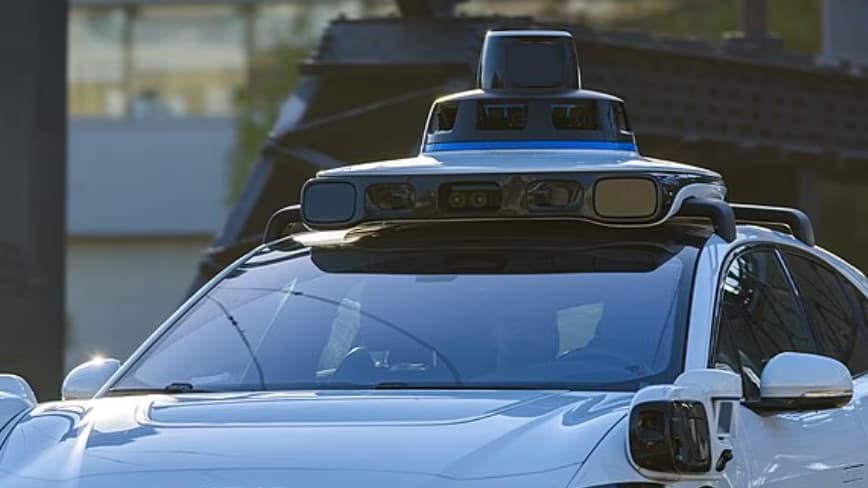
Image: TNW
Most self-driving systems learn by watching how humans drive and then trying to imitate that behavior. According to TNW, that works reasonably well in normal conditions, but it can leave little explanation for why a vehicle chose one path over another when something goes wrong.
A team at Seoul National University led by professor Jun Won Choi is taking a different route. Its model, called SafeDrive, generates several possible trajectories, scores each one for safety using sensor data, and then selects the highest-scoring option before the car moves. TNW describes the approach as a way for the vehicle to effectively show its work.
The technique, known as Fine-grained Safety Reasoning, was selected as a highlight paper at CVPR 2026, a major computer vision and AI conference. Roughly 3% of submissions receive that distinction. TNW says it is the first Korean-developed end-to-end autonomous driving paper to earn a CVPR highlight.
Recommended reading
Lada Azimut Appears in Public Ahead of Sales
That recognition also lands in the middle of a broader national push. South Korea has committed $880 billion over a decade to AI, chips, and robotics, and TNW frames SafeDrive as one of the first outcomes of that spending to gain top-tier academic recognition in a field largely led by US and Chinese labs.
SafeDrive is already moving beyond research. It has been integrated into EAD, a reference model backed by Korea’s Ministry of Trade, Industry and Energy. Choi’s team is also working with domestic autonomous driving companies to test the system in real vehicles, with plans aimed at commercialization using proprietary driving data.
TNW points to Tesla’s Austin robotaxis, which it says crash four times more than human drivers, as an example of why safety and explainability remain urgent issues. When a self-driving vehicle makes a bad decision, regulators, insurers, and courts need to understand why. A system that evaluates multiple options and records why it picked the safest one offers an auditable trail that black-box models do not.

Frontier Editor
Dan is our resident futurist, covering electric mobility, space exploration, and the smart home. He's interested in atoms just as much as bits. Whether it's a new battery chemistry, a reusable rocket, or a protocol that finally makes IoT devices talk to each other, Dan breaks down the engineering that pushes humanity forward.
via TNW