• 3 min read
Lululemon joins Syntetica’s $30M nylon recycling round
French startup Syntetica raised $30 million in Series A funding, with Lululemon backing its push to recycle mixed Nylon 6 and Nylon 6,6 waste.
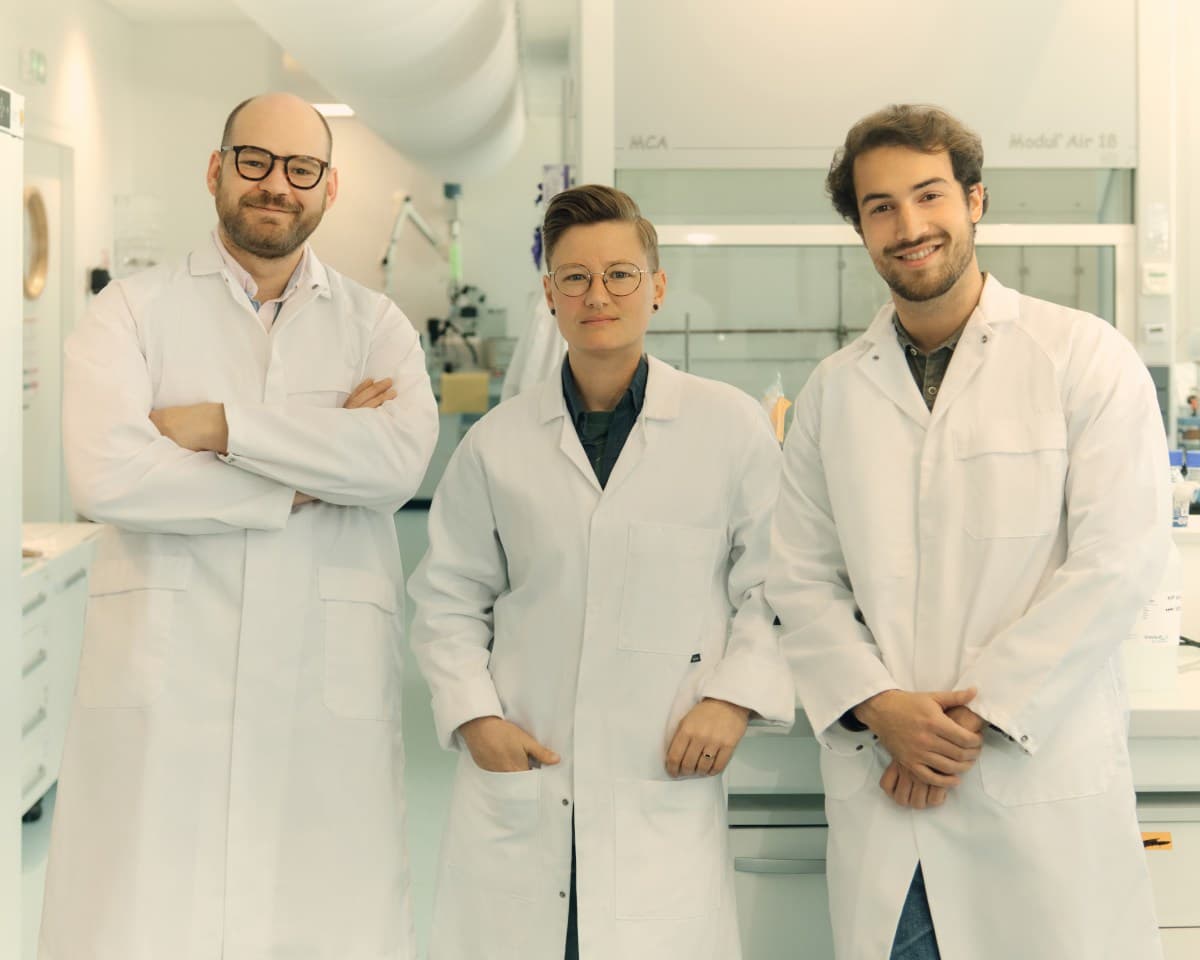
Image: TechCrunch
Lululemon has invested in Syntetica’s $30 million Series A, backing a French startup that says it can recycle mixed Nylon 6 and Nylon 6,6 from post-consumer textile waste — a sorting problem that has long limited nylon reuse.
CEO Marco Bertone told TechCrunch that Syntetica is targeting a material challenge the apparel industry has struggled to solve, as large volumes of clothing still end up in landfills. He said recent volatility in nylon pricing has added urgency. Over the last six months, geopolitical turmoil tied to the oil industry has triggered quarterly or weekly nylon price renegotiations.
“It’s been a wake-up call to many brands that have been relying on petrol-sourced nylon and petrol-sourced synthetics for pricing and convenience, and which today have seen massive shocks to their system.”
Syntetica’s pitch, Bertone said, is that recycled materials must compete on cost.

Recommended reading
Vietnam taps RusHydro to upgrade Soviet-era dams
“We have built the company with the clarity that there’s no green premium. That if you want to scale real solutions for a sustainable world, it needs to be cost competitive, highly scalable, and you need to build partnerships from the very start.”
The startup’s partners include Lululemon, Victoria’s Secret, and Etam, with a recycling project that could reach market early next year. The round was also backed by apparel manufacturer MAS Holdings, an unusual move for a supply-chain player at this stage. Before the Series A, Syntetica had already partnered with Michelin’s Centre for Sustainable Materials to build a commercial demonstration facility in Clermont-Ferrand, France.
How Syntetica plans to scale
Rather than making textiles itself, Syntetica will produce pellets that can be turned into yarn by other manufacturers. Bertone described that as a practical way to win support across the supply chain.
The company was formed after Bertone met chemistry researcher Louis Monsigny through Entrepreneur First at Station F in Paris. They later worked in Reims using AgroParisTech’s lab. Syntetica has since hired CTO Ash Ward, formerly of Northvolt; Peter Carlsson, Northvolt’s cofounder, is one of the startup’s advisors.
For now, the company is staying focused on proving it can produce hundreds of tons of pellets per year for apparel customers. After that, Bertone said, Syntetica plans to build facilities globally, near both waste sources and textile production.
France 2030 backing and competition
Syntetica’s Series A was led by the Ecotechnologies 2 fund managed by the Green Venture team at Bpifrance under the France 2030 plan. It has also received support from the European Innovation Council (EIC) through equity, grants, and its acceleration program. Private backers include EQT Ventures, SWEN Capital Partners, and family offices.
The startup faces competition from companies using enzymatic recycling approaches, as well as BASF, which has developed recycled nylon. Bertone’s view is that the market is big enough for many winners.
“If everyone were to scale to tens of factories, we still wouldn’t solve this problem. Everyone needs to succeed for us to succeed as a society.”

Enterprise Editor
Marcus follows the money. He covers enterprise software, cloud architecture, and the tectonic shifts in Big Tech strategy. He translates dense earnings calls and complex M&A activity into actionable insights about where the industry is actually heading. If a tech giant makes a silent pivot, Marcus is usually the first to notice.
via TechCrunch