• 2 min read
MG unveils ADAPT for four EV and hybrid drivetrains
JSW MG Motor India says its new ADAPT platform supports four powertrain types, with an EV and a plug-in hybrid due in fiscal 2026–27.
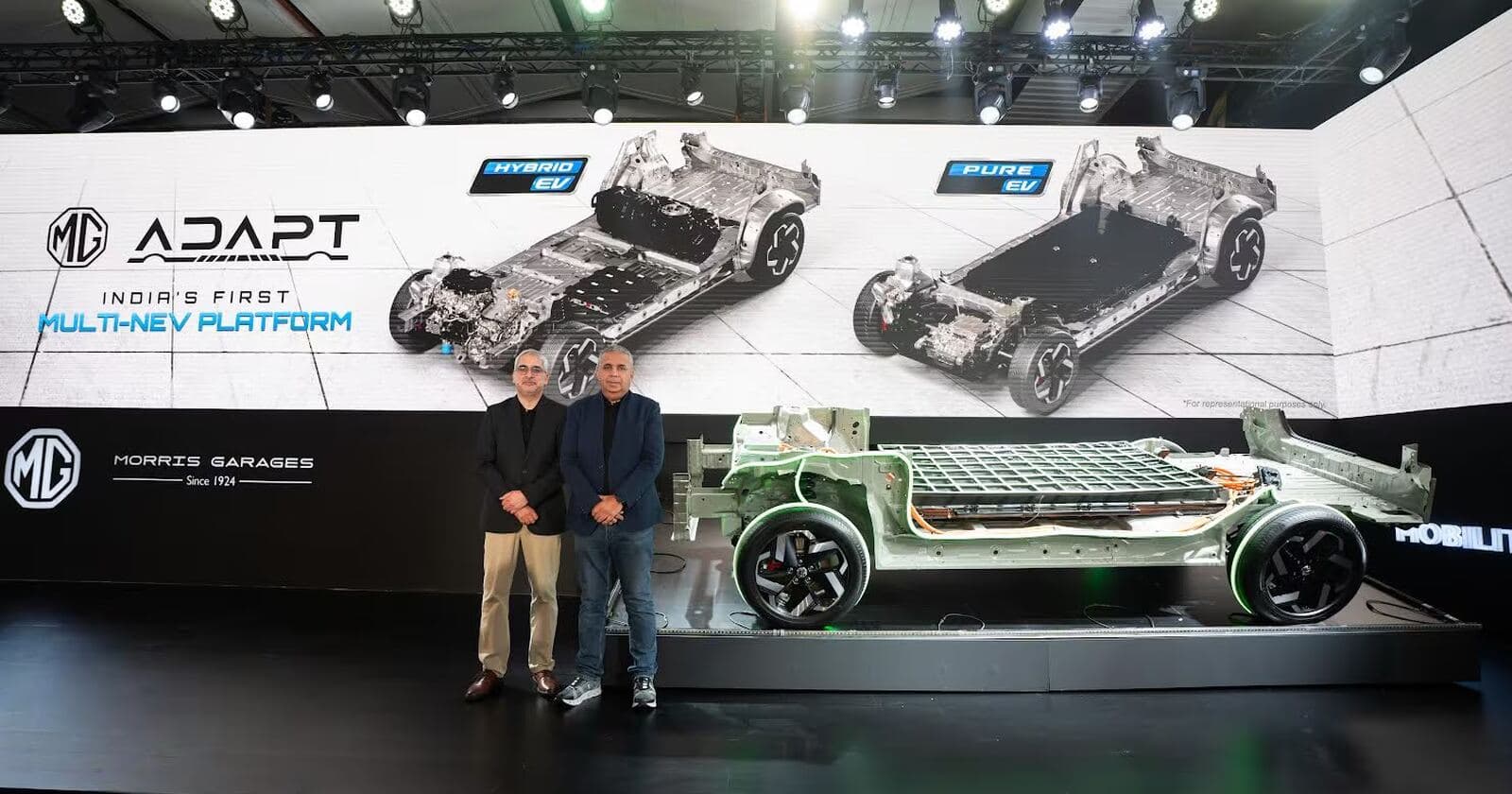
Image: gizmochina
JSW MG Motor India has introduced ADAPT, a new vehicle platform designed to support four different powertrain types for the Indian market. Short for Advance Drive Architecture Platform Technology, MG describes it as India’s first multi-format NEV platform.
The architecture is built for battery EVs, traditional hybrids, plug-in hybrids, and REEV models, where a gasoline engine acts as a generator to extend range. For MG, that means keeping multiple options open instead of betting on a single drivetrain strategy as India’s market for electrified vehicles continues to evolve.
The first production models on the new platform are already planned: one EV and one plug-in hybrid are scheduled for launch in fiscal 2026–27, which in India runs from April 2026 to March 2027.
According to the company, ADAPT combines a dedicated hybrid engine, a separate battery system, a 10-in-1 electric drive module, and an electromagnetic hybrid transmission that MG says is the first in the world in its class. An energy management system coordinates the combustion engine, battery, and electric motor. MG says the result should be better efficiency, faster charging, solid range, and fewer trade-offs in ride smoothness.
Recommended reading
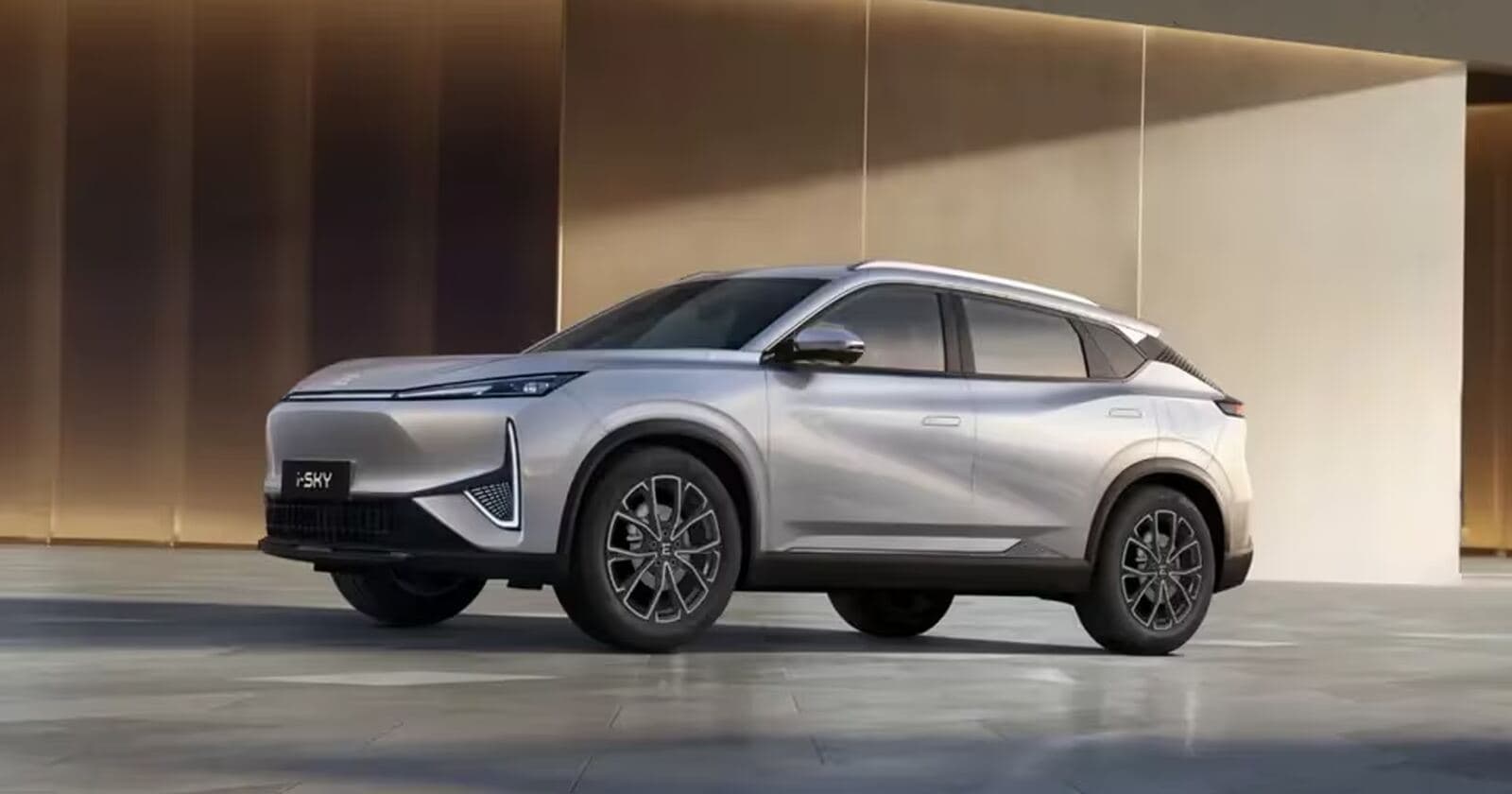
Evolute i-Sky slips to fall 2026 launch
On the road, the platform can switch between four operating modes:
- Pure EV mode for city driving
- Series hybrid mode, where the engine charges the battery and the electric motor drives the wheels
- Parallel hybrid mode, where the engine and motor share propulsion
- Direct engine drive at highway speeds to save fuel
India EV and hybrid platform competition
MG’s approach stands out because rivals in India are splitting their efforts across different architectures. Tata Motors is pushing its acti.ev electric platform, while Mahindra is developing INGLO for battery-electric models. Maruti Suzuki and Hyundai are keeping both hybrids and EVs in their lineups.
MG is trying to combine those approaches into a single engineering base and cut development time for new models. That could matter in India, where electrification has moved faster in announcements than in actual sales: EVs still account for only single-digit percentages of the passenger car segment. The strongest near-term growth is widely expected to come from hybrids and plug-in systems.
If MG sticks to its timeline, the market should get a clear answer by March 2027 on whether Indian mass buyers are ready for more complex but more flexible electrified drivetrains.

Frontier Editor
Dan is our resident futurist, covering electric mobility, space exploration, and the smart home. He's interested in atoms just as much as bits. Whether it's a new battery chemistry, a reusable rocket, or a protocol that finally makes IoT devices talk to each other, Dan breaks down the engineering that pushes humanity forward.
via ITzine