• 3 min read
Microsoft shifts Windows toward lighter PCs and core fixes
Microsoft is quietly changing its tune on Windows. After a year defined by aggressive AI pushes and some very public software gripes, Satya Nadella says the company’s consumer revival now starts with basics: better quali
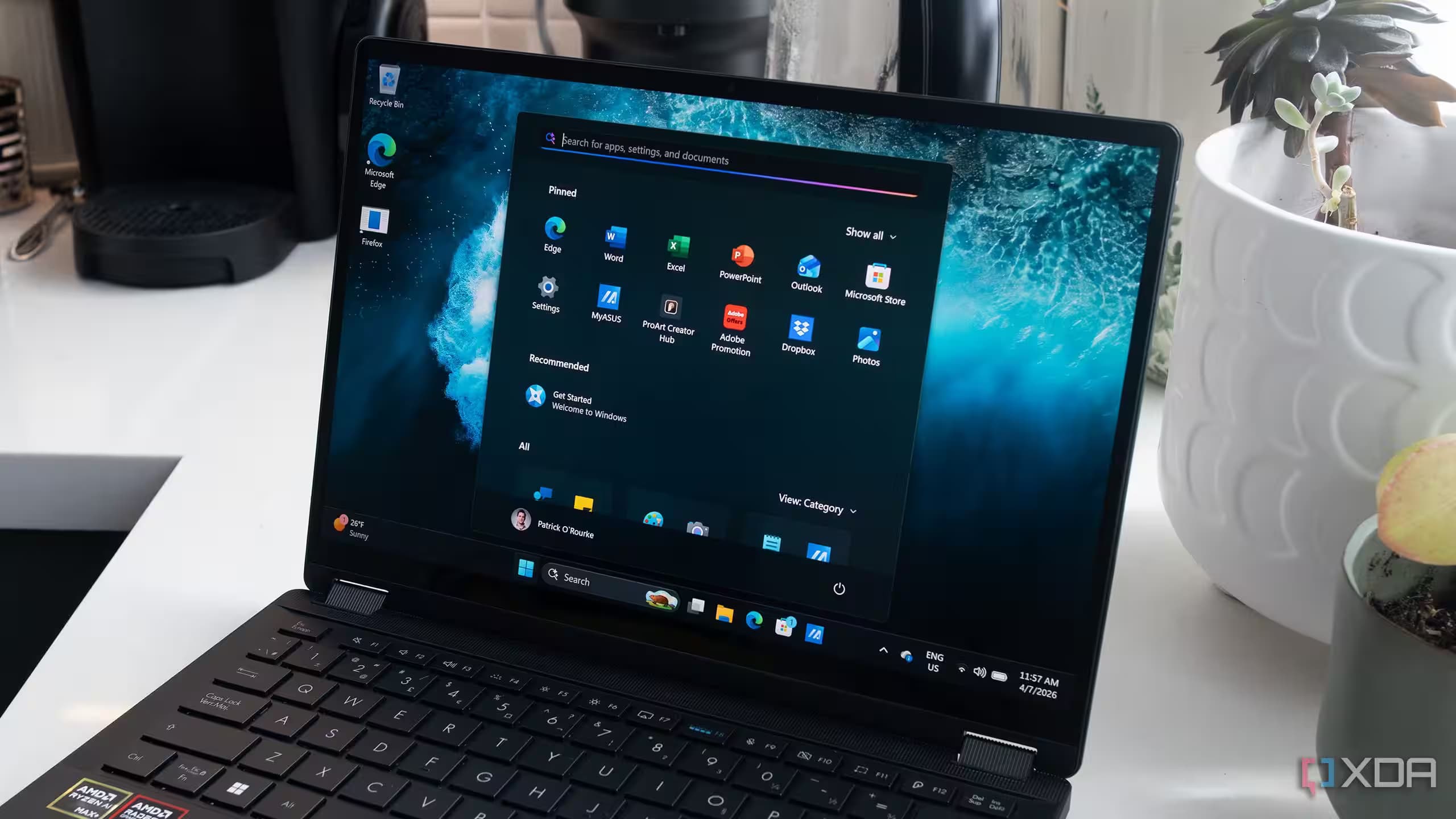
Image: xda-developers.com
Microsoft is quietly changing its tune on Windows. After a year defined by aggressive AI pushes and some very public software gripes, Satya Nadella says the company’s consumer revival now starts with basics: better quality, more useful core features, and Windows that behaves better on lower-memory machines.
That is a useful admission, even if it arrives in corporate speech. PC buyers have been telling Microsoft the same thing for years: they do not want another layer of features piled on top of a fragile desktop. They want the system to feel fast, stable, and less needy, especially on affordable laptops where every extra background process feels like a tax.
Nadella’s reset for Windows, Xbox, Bing, and Edge
In Microsoft’s FY26 Q3 earnings release, Nadella said the company is doing “the foundational work required to win back fans” across Windows, Xbox, Bing, and Edge. He also said the near-term focus is on fundamentals, with quality taking priority over speed. That is a subtle but important pivot from the era when every product meeting seemed to end with “can we add Copilot to it?”
Recommended reading
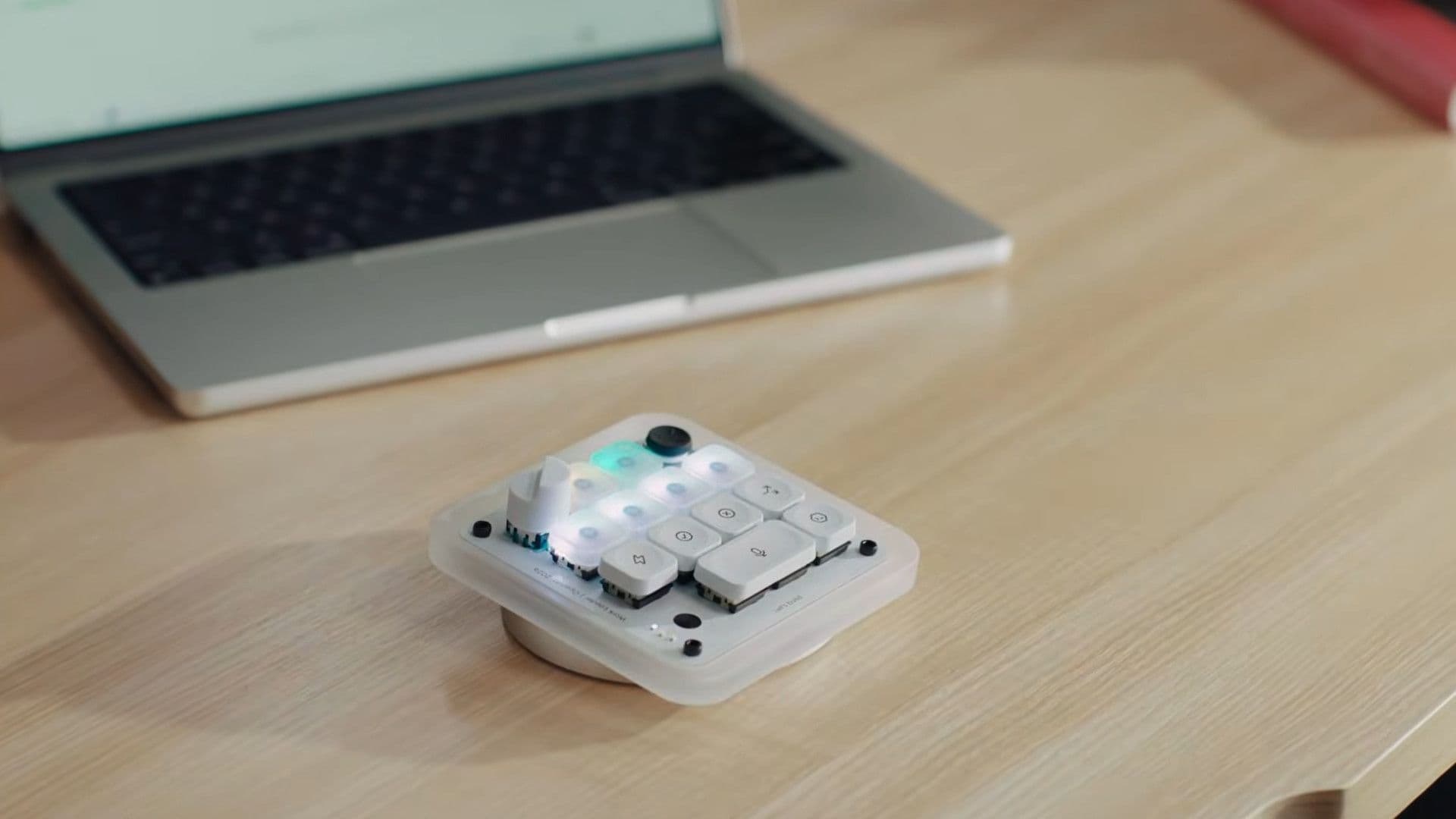
OpenAI’s Codex Micro is a $230 coding macropad
The broader strategy is pretty easy to read. Microsoft knows consumer trust has been dented by buggy updates and too much AI garnish, so it is trying to repair the stuff people actually notice day to day. Apple and Google have spent years selling polish and predictability; Microsoft is now acting like it remembers those are features too.
Windows gets a lower-memory diet
The most concrete part of Nadella’s message is that Windows updates are already delivering “performance improvements for lower memory devices.” That is tech-speak for making the operating system less punishing on cheaper hardware, which is exactly where Windows still has to do the heavy lifting if it wants to stay dominant outside premium laptops.
It also makes commercial sense. A Windows install that runs cleaner on modest machines helps Microsoft defend the bottom end of the market, where ChromeOS and increasingly capable budget laptops keep pressuring the old default choice. The company does not need Windows to become minimalist, but it does need it to stop acting like every machine has unlimited RAM and patience.
- Focus areas named by Nadella: Windows, Xbox, Bing, and Edge
- Near-term priority: quality and core user experience
- Windows work already underway: performance improvements for lower memory devices
- Planned follow-up: changes to core features and fundamentals
The Copilot pullback looks less like retreat and more like triage
Microsoft’s recent willingness to slow some Copilot rollouts fits neatly into this reset. The company spent 2025 trying to bolt AI onto everything, and the backlash was predictable: users noticed the extras before they noticed the value. Pulling back now is not glamorous, but it is smarter than pretending clutter counts as innovation.
If Microsoft keeps this discipline, Windows could end up in a better place than it has been in months: less bloated, less noisy, and more obviously useful. The real question is whether the company can resist drifting back to feature inflation once the immediate repair job is done. History suggests that is where Microsoft usually gets tempted.

Computing Editor
Tomas lives in the terminal. He covers chips, laptops, and operating systems with a focus on performance and efficiency. He reads kernel changelogs the way other people read fiction, and he's always on the hunt for the perfect mechanical keyboard switch. If it processes data, Tomas has an opinion on it.