• 2 min read
MS-21 plant removes a key production bottleneck
Irkutsk Aviation Plant has launched an automated electroplating line for the MS-21, keeping large-part processing in-house ahead of 2027 series production.
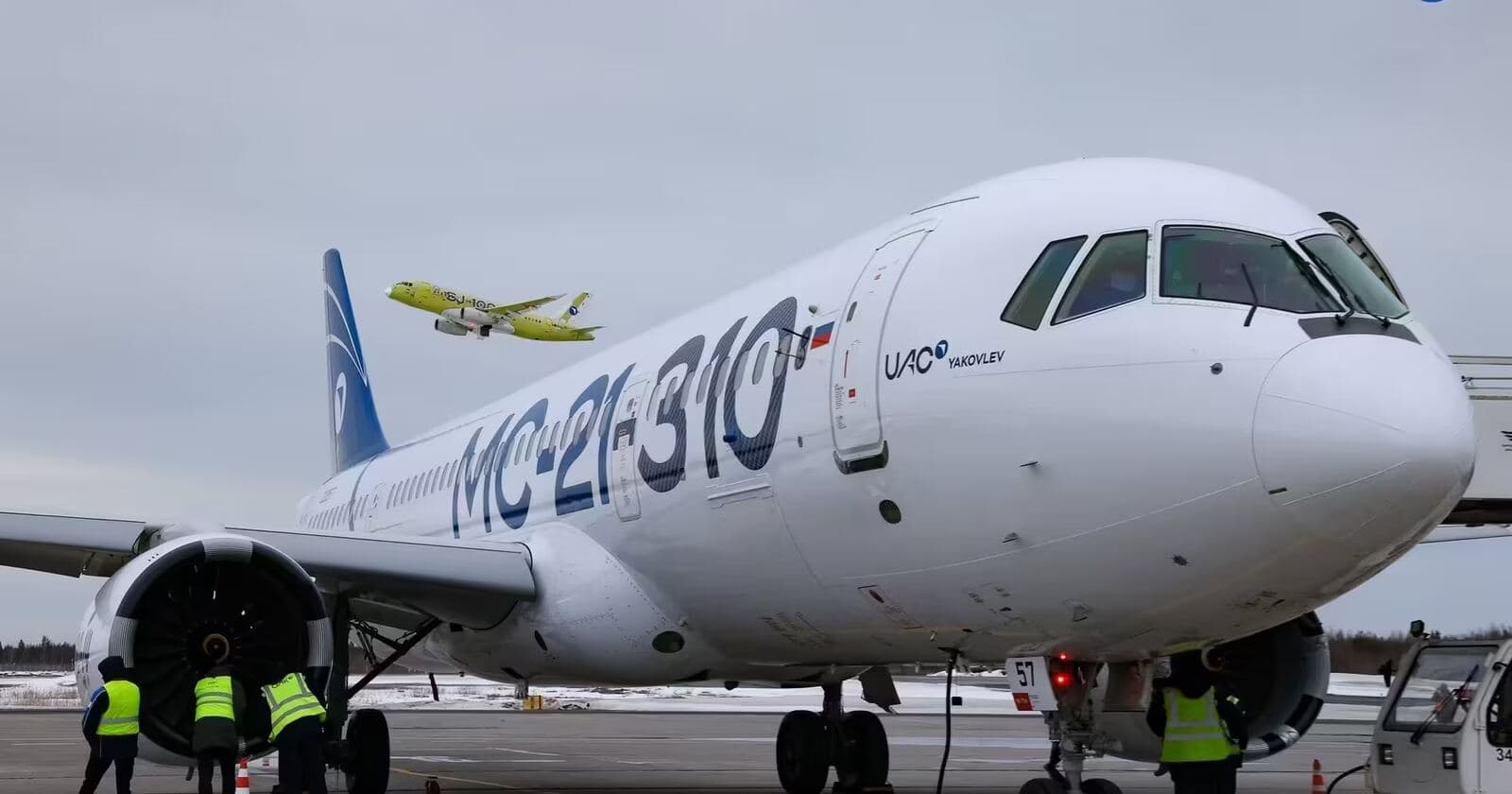
Image: ITzine
Irkutsk Aviation Plant has started a new electroplating facility for the MS-21, eliminating a production step that previously sent large parts to other cities for processing. According to United Aircraft Corporation (UAC), commissioning is complete and the entire section is fully automated.
That matters because electroplating for the MS-21-310 was handled at outside sites for aluminum and titanium parts, adding transport time and dependence on contractors. Bringing that work in-house removes one of the more awkward links in the factory’s production logistics as the program moves closer to series manufacturing.
Electroplating for large MS-21 components
The new section is designed to process large-sized parts on site, allowing the plant to apply protective coatings to aluminum and titanium components without separate shipment. That should make production timelines more predictable.
In aircraft manufacturing, electroplating is not a cosmetic step. The coatings protect metal from corrosion and improve wear resistance, which directly affects an aircraft’s service life and safety.
The new line is part of a broader technical re-equipment program at the Irkutsk plant. For the MS-21, that is especially relevant as Russia’s civil aerospace sector builds up domestic capabilities in operations that were previously handled through external capacity.
Recommended reading
Magnesium oxide could shield fragile solid-state batteries
MS-21-310 series production target
The MS-21 remains one of the flagship projects of Russia’s civil aviation industry. According to Rostec head Sergey Chemezov, serial production of the MS-21-310 is due to start in 2027, making it important to remove as many bottlenecks as possible before then.
The aircraft has spent several years going through supplier changes, system redesigns, and import substitution. In that context, the launch of an in-house electroplating facility is less a workshop update than a practical step toward assembling the aircraft with less reliance on outside cooperation.

Frontier Editor
Dan is our resident futurist, covering electric mobility, space exploration, and the smart home. He's interested in atoms just as much as bits. Whether it's a new battery chemistry, a reusable rocket, or a protocol that finally makes IoT devices talk to each other, Dan breaks down the engineering that pushes humanity forward.
via ITzine