• 2 min read
Musk-Altman clash exposes limits of AI data centers in orbit
A public fight between Elon Musk and Sam Altman has highlighted how far space-based AI data centers still are from economic reality.
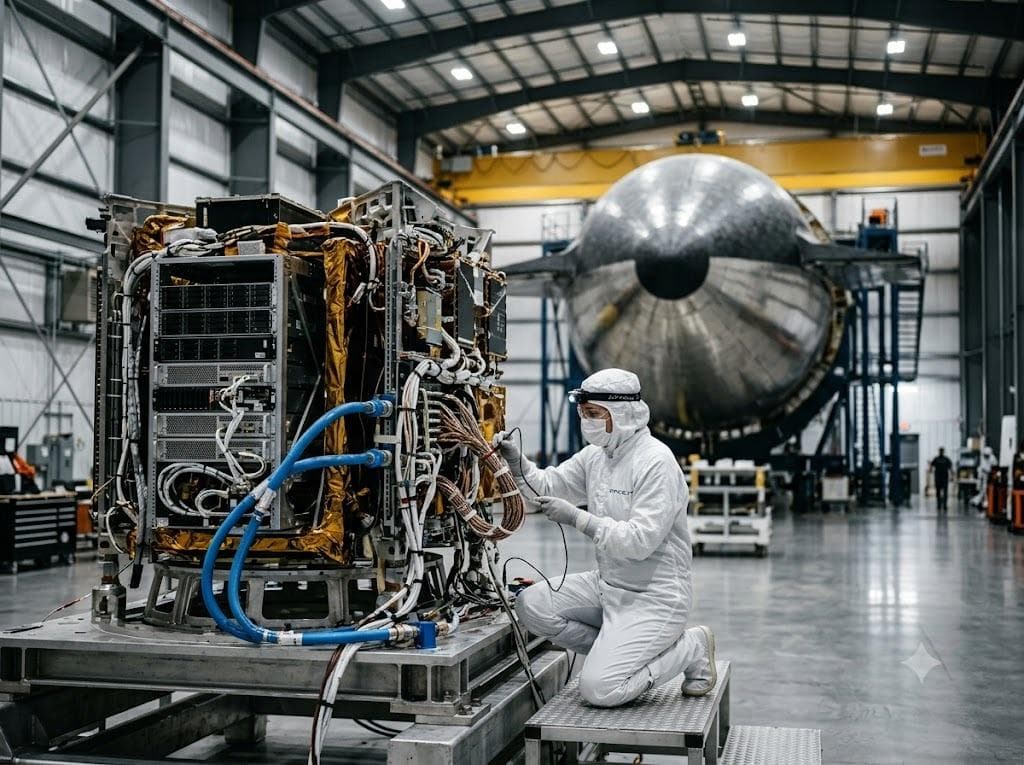
Image: iXBT
A public clash between Elon Musk and Sam Altman has put fresh attention on a hard constraint behind space-based AI data centers: the space industry still lacks the cheap launches and mass satellite production needed to make them work at scale.
The dispute began after a post from Musk accusing Altman of fraud. OpenAI’s CEO pushed back by criticizing the near-term viability of putting computing capacity in orbit, saying that:
“Musk is pitching public-market investors the concept of space data centers on too near a timeline.”
The argument centers on SpaceX plans to deploy a network of satellites carrying computing systems for artificial intelligence workloads, including processing requests for AI models. Backers of the idea argue that orbital data centers could add new compute capacity for AI systems and eventually create a new kind of cloud service in space.
Recommended reading
Magnesium oxide could shield fragile solid-state batteries
But aerospace specialists cited by the source say there are several major obstacles. For the model to make economic sense, companies would need much cheaper launches and the ability to build high-performance satellites in large volumes. Engineers and companies working on similar projects say current technology does not yet allow these systems to scale quickly.
SpaceX’s answer to that problem is Starship. The company is betting on turning it into a fully reusable launch system that can sharply reduce the cost of putting cargo into orbit. Even if upcoming test flights successfully recover both stages, though, that would not mean an immediate shift to routine commercial operations. The promised operational reusability will likely still take several more years.
There is another complication. SpaceX has previously told investors that, in the near term, Starship may operate without full reusability, losing the second stage after each launch. That would make the economics of orbital data-center infrastructure far tougher.
The result is a split timeline: individual satellites carrying computing hardware could launch in the next few years, but large-scale deployment depends on technology that may not arrive until the 2030s.

Frontier Editor
Dan is our resident futurist, covering electric mobility, space exploration, and the smart home. He's interested in atoms just as much as bits. Whether it's a new battery chemistry, a reusable rocket, or a protocol that finally makes IoT devices talk to each other, Dan breaks down the engineering that pushes humanity forward.
via iXBT