• 3 min read
Researchers remotely steer Purdue reactor in real time
A team from INL, Purdue and UIUC remotely and autonomously adjusted the PUR1 research reactor in real time while its safety systems kept full control.
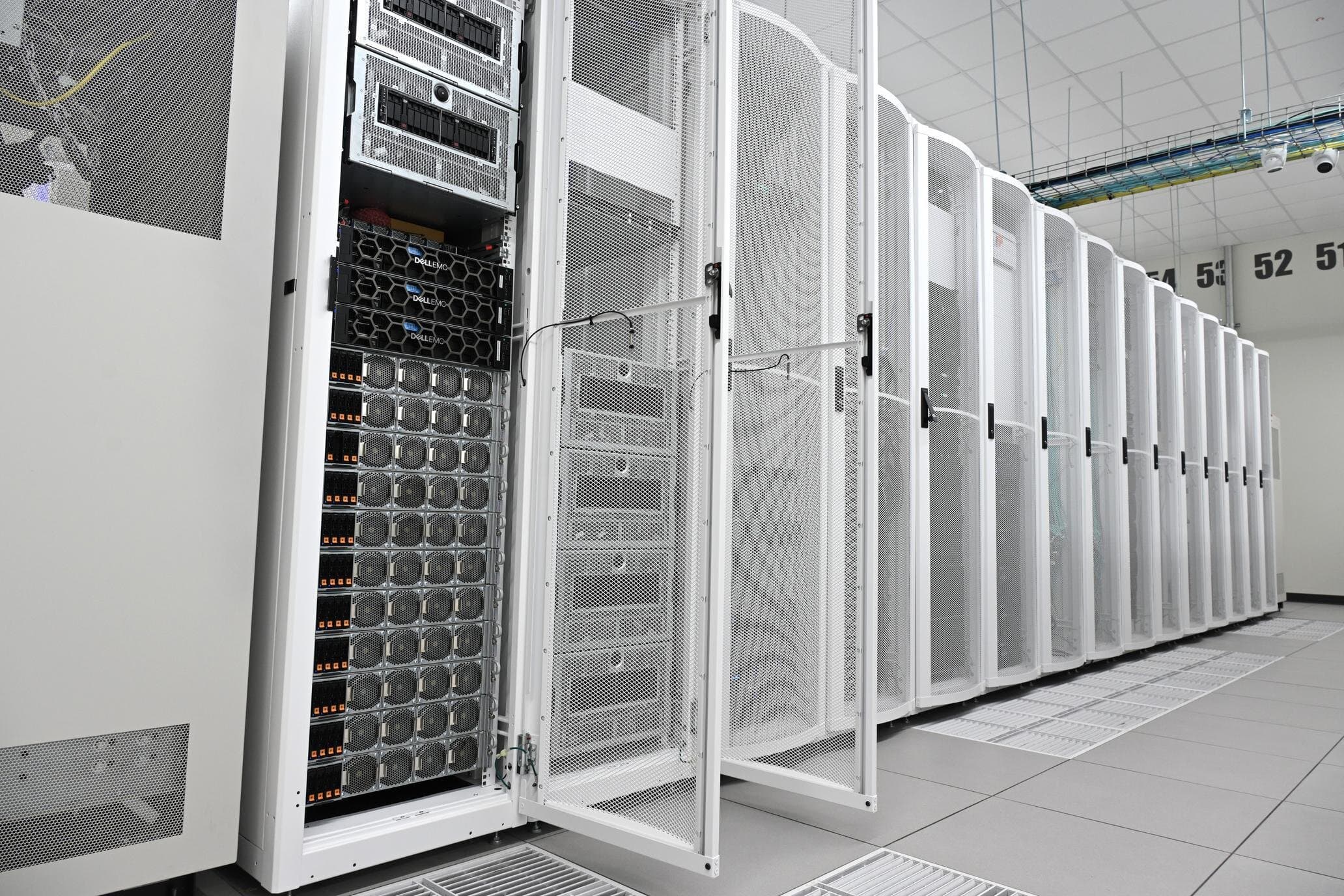
Image: TechXplore
For the first time, researchers from Idaho National Laboratory, the Grainger College of Engineering at the University of Illinois Urbana-Champaign, and Purdue University have remotely and automatically adjusted the power of a research reactor in real time while leaving the reactor’s own safety systems fully in control.
The test used PUR1, Purdue’s low-power research reactor, and connected three sites simultaneously: high-performance computing systems in Idaho, the reactor in Indiana, and a Microsoft Azure cloud environment in Virginia. The team first showed remote power adjustments through a digital control loop, then made the system more autonomous with a reinforcement learning model running in software that simulates physical interactions inside the reactor.
“Researching autonomous operations is essential to the future of nuclear energy; it’s a key component of making future nuclear power plants safer, more efficient and more reliable,” said Chris Ritter, Scientific Computing and AI division director at INL. “The idea is that if you can model a reactor with enough fidelity, you can eventually let AI safely assist in operating it. The safety case is what makes this real: the system analyzes, predicts and adjusts, but the reactor’s own safety controls always have the final say in this experiment.”
During the demonstration, the team generated and sent instructions for moving an auxiliary control rod through INL’s DeepLynx data and control platform, using cloud-based connectivity with the PUR1 digital twin and INL computing systems. From Idaho Falls, Idaho, researchers fine-tuned reactor power, reduced small fluctuations, and kept the reactor operating steadily without any manual control-rod manipulation on site.

Recommended reading
China clears first commercial brain implant for paralysis
What the test builds on
The milestone follows earlier work on digital twin technology in 2023 and secure reactor communications in 2025. According to the researchers, the system analyzes conditions, predicts outcomes, and adjusts autonomously while operating alongside — not replacing — the reactor’s safety controls, in line with Nuclear Regulatory Commission requirements.
“This advancement greatly expands the kinds of experiments and control system research we can perform at PUR1,” said Stylianos Chatzidakis, assistant professor in the School of Nuclear Engineering and associate reactor director of PUR1 at Purdue. “Collaborations with national laboratories strengthen our ability to explore innovative reactor technologies and train the next generation of nuclear engineers.”
Timothy Grunloh, associate director of the Illinois Nuclear Power Institute at the University of Illinois, said the platform will help researchers understand and optimize how emerging reactor designs connect with broader economic applications. Nelli Babayan, Microsoft senior director for U.S. federal AI, said the company’s tools are aimed at helping organizations apply advanced technologies across energy and other industries.
The demonstration also ties directly to the Genesis Mission challenge, the Department of Energy’s effort to use AI to speed up nuclear energy design, licensing, manufacturing, construction, and operation with human-in-the-loop workflows.

Frontier Editor
Dan is our resident futurist, covering electric mobility, space exploration, and the smart home. He's interested in atoms just as much as bits. Whether it's a new battery chemistry, a reusable rocket, or a protocol that finally makes IoT devices talk to each other, Dan breaks down the engineering that pushes humanity forward.
via TechXplore