• 2 min read
Too Much Power Could Make Electricity Prices Go Negative
As renewable output surges, households may one day be paid to use electricity at the right times instead of wasting excess wind and solar power.
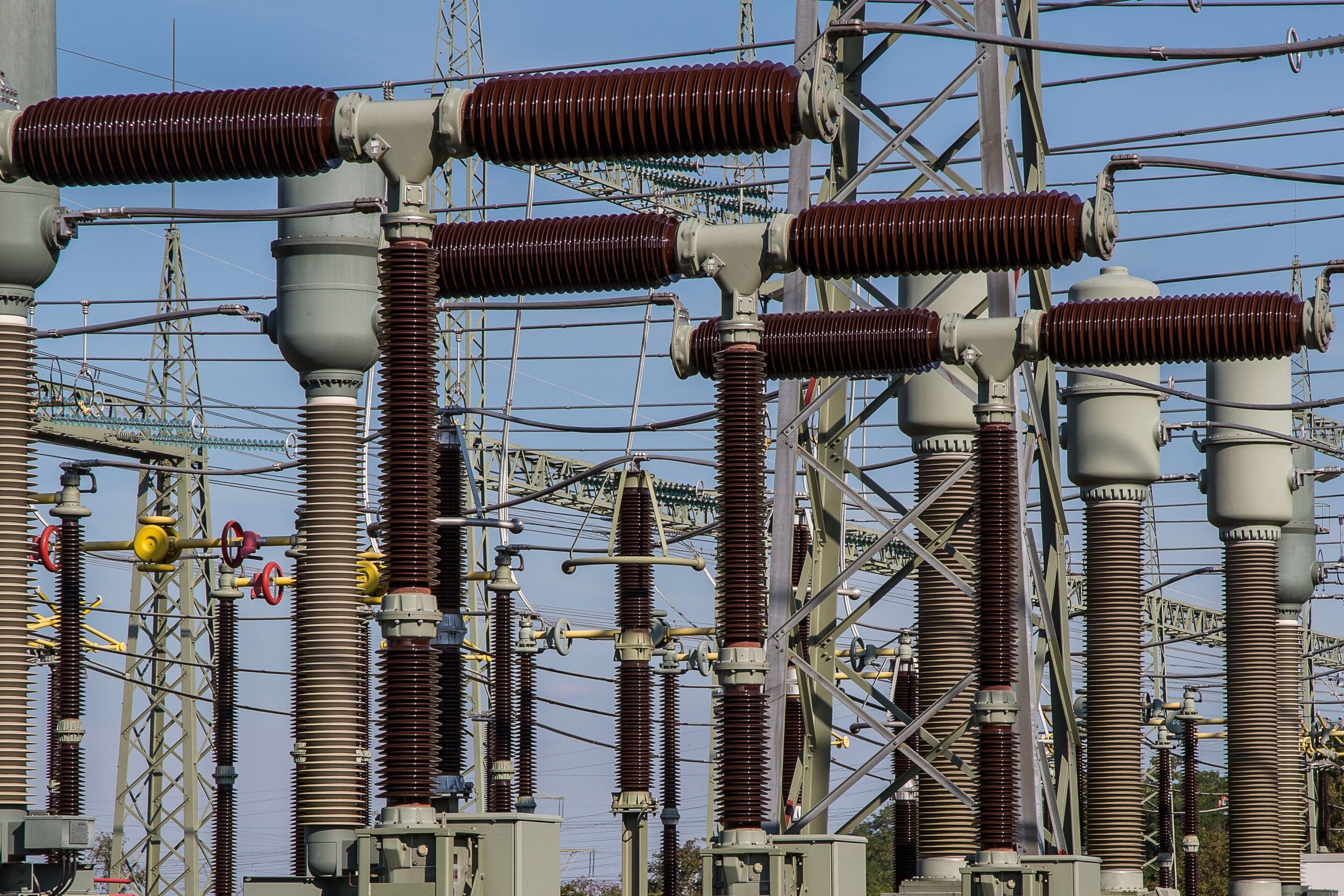
Image: TechXplore
A grid with lots of solar and wind power can end up with a strange problem: too much electricity when few people want it. On a clear, breezy summer weekend, renewable generation can surge while demand stays low because people are out of the house. Since electricity systems must balance supply and demand in real time, that excess power is often wasted.
The result is curtailment: wind turbines or solar panels are disconnected from the grid even though they could still be generating clean electricity. The UK already pays some wind farms to switch off when supply exceeds demand. The same thing happens regularly in high-solar markets including California, Spain, and Australia.
That pressure is likely to grow as renewables expand. In the UK, the spread of cheap plug-in solar panels could make oversupply more common. On April 22, 2026, sunny weather and moderate wind pushed solar generation high enough that demand for gas-generated electricity fell to almost zero. If wind speeds had been slightly higher, generation could have exceeded demand.

Recommended reading
Scientists built a thermal cloak that hides objects in IR
Storing the surplus is one option, but it has limits. Technologies such as large battery banks, pumped-storage hydro, and even electric car batteries can help absorb excess electricity, but they remain expensive and limited in capacity. Not all surplus power can be saved for later.
A cheaper fix is to shift demand instead of trying to perfectly control supply. According to the article, smart meters can already adjust electricity prices through the day. When renewable power is abundant, prices could fall sharply or even turn negative, giving households an incentive to heat water, run washing machines, or charge EVs at those times.
That would effectively mean paying people to use electricity when the grid has too much of it. The UK’s National Energy System Operator (Neso) recently warned it will need to use “more tools, more often” to keep the system stable. Paying consumers to absorb surplus renewable power may be one of the simplest ways to do it.

Frontier Editor
Dan is our resident futurist, covering electric mobility, space exploration, and the smart home. He's interested in atoms just as much as bits. Whether it's a new battery chemistry, a reusable rocket, or a protocol that finally makes IoT devices talk to each other, Dan breaks down the engineering that pushes humanity forward.
via TechXplore